
In a significant critique of national economic policy, former Thai Prime Minister Abhisit Vejjajiva has raised alarms regarding the potential long-term fiscal consequences of the government’s proposed 400-billion-baht borrowing plan. As the leader of the Democrat Party, Abhisit has consistently scrutinized the administration’s approach to large-scale infrastructure investment, particularly the ambitious Land Bridge megaproject, warning that the financial burden of such initiatives may eventually fall squarely on the shoulders of the taxpayers.
The debate surrounding Thailand’s infrastructure spending reflects a broader tension between the desire for rapid economic growth and the necessity of maintaining fiscal discipline. Abhisit, whose tenure as Prime Minister from 2008 to 2011 was marked by efforts to navigate the country through the global financial crisis, argues that the scale of the current borrowing proposal could constrain future budgets and limit the government’s ability to respond to unforeseen economic shocks. This concern is not merely political; it touches upon the fundamental question of how a developing nation balances the need for connectivity with the reality of national debt sustainability, as outlined in reports from the International Monetary Fund’s 2024 Article IV Consultation for Thailand.
Infrastructure Ambitions and the Debt Question
The Land Bridge project, a centerpiece of the government’s economic strategy, aims to connect the Gulf of Thailand with the Andaman Sea through a combination of ports, rail and road networks. Proponents suggest that the project will reduce shipping times and bolster Thailand’s position as a regional logistics hub. However, Abhisit has questioned the underlying economic projections that justify the borrowing. He has specifically suggested that the government must be transparent about the return on investment and the risks associated with such a massive capital allocation, a sentiment echoed by various economic monitors assessing the kingdom’s fiscal trajectory.
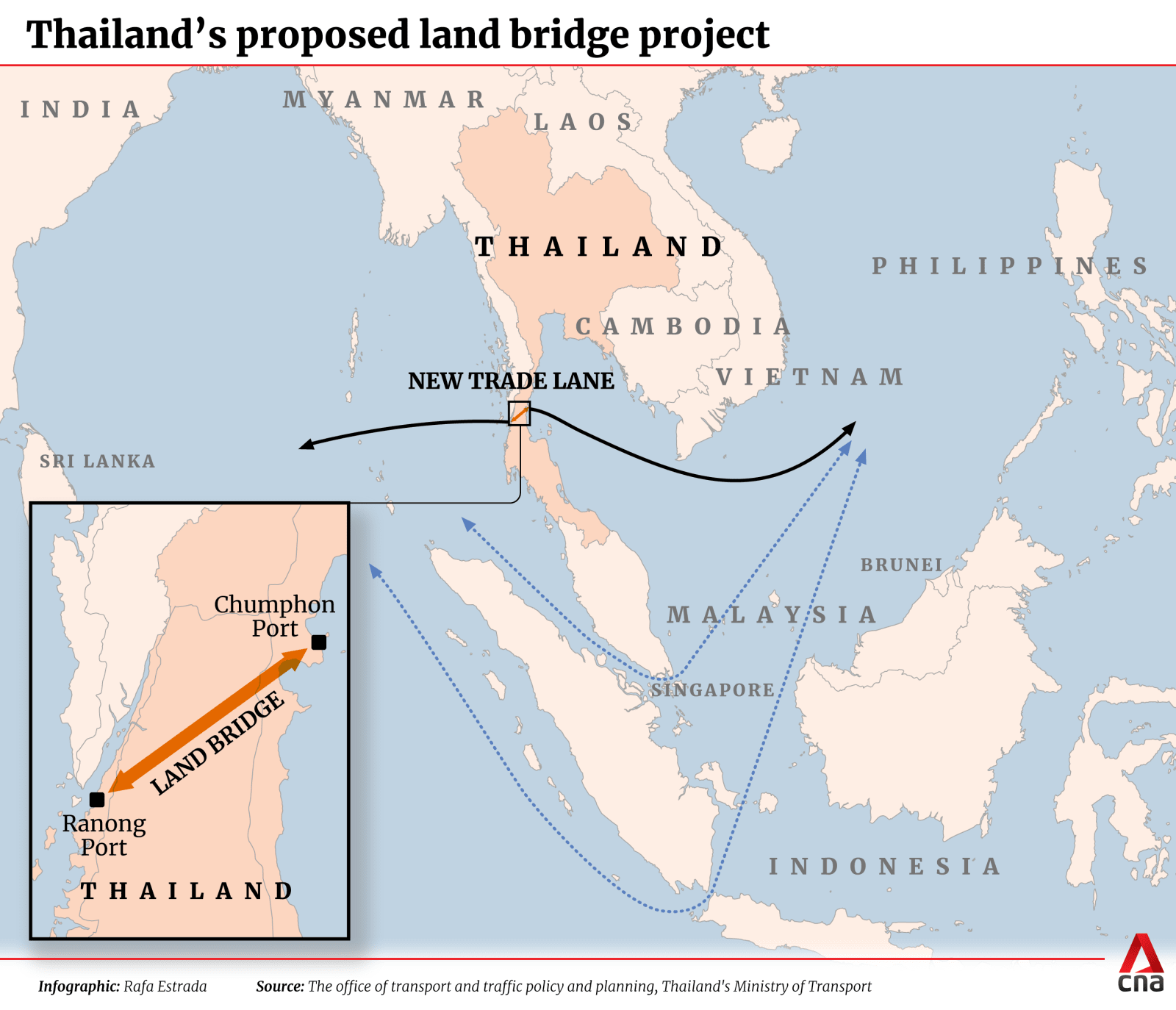
The 400-billion-baht borrowing plan—often contextualized within broader stimulus discussions—serves as the primary vehicle for funding these infrastructure aspirations. Economists note that while infrastructure investment is generally considered a driver of long-term productivity, the efficacy of such spending depends heavily on project selection and implementation efficiency. When debt-to-GDP ratios are already under observation by global credit rating agencies, the introduction of substantial new debt for long-gestation projects requires rigorous scrutiny to ensure that the public interest remains protected.
The Opposition’s Stance on Fiscal Stewardship
Abhisit Vejjajiva’s critique centers on the concept of intergenerational equity: the idea that the current generation should not disproportionately burden future taxpayers with the costs of projects that may not yield immediate or sufficient benefits. Throughout his political career, Abhisit has advocated for conservative fiscal management. His latest interventions suggest that the Democrat Party intends to position itself as a guardian of the public purse, emphasizing that the government’s current trajectory lacks the necessary safeguards to prevent a potential fiscal crisis.
_(cropped).jpg/960px-thumbnail.jpg "Abhisit Vejjajiva Warns Land Bridge National Assembly")
The government, conversely, maintains that the Land Bridge is essential for the nation’s competitive edge in the 21st century. Officials have argued that the project is designed to attract foreign direct investment, which would, in theory, mitigate the reliance on state borrowing over the long term. However, the lack of definitive private-sector commitment at this stage has fueled the concerns raised by the opposition, leading to a polarized public discourse regarding the project’s viability and the potential for cost overruns.
What Lies Ahead for Thailand’s Fiscal Policy
As the government moves toward finalizing the legislative framework for the borrowing plan, the debate is expected to intensify in the National Assembly. Observers are looking for clear, verified timelines regarding the project’s phases and more detailed projections concerning the debt servicing costs that the Ministry of Finance will be required to manage. The transparency of these processes will likely be the primary metric by which both domestic critics and international observers judge the government’s commitment to fiscal responsibility.

For the average citizen, the discourse highlights the importance of monitoring how national budgets are allocated and the long-term impact of state-led investment on public services and tax structures. As of May 2026, there have been no official announcements regarding the immediate commencement of the full borrowing facility, and stakeholders continue to await further updates from the Ministry of Finance regarding the specific terms and conditions of the proposed debt issuance.
The conversation remains fluid, with ongoing parliamentary sessions likely to provide more clarity on the government’s next steps. We will continue to track developments as they occur and provide updates on the fiscal implications for the Thai economy. We encourage our readers to share their thoughts and follow our continued coverage of this evolving story.