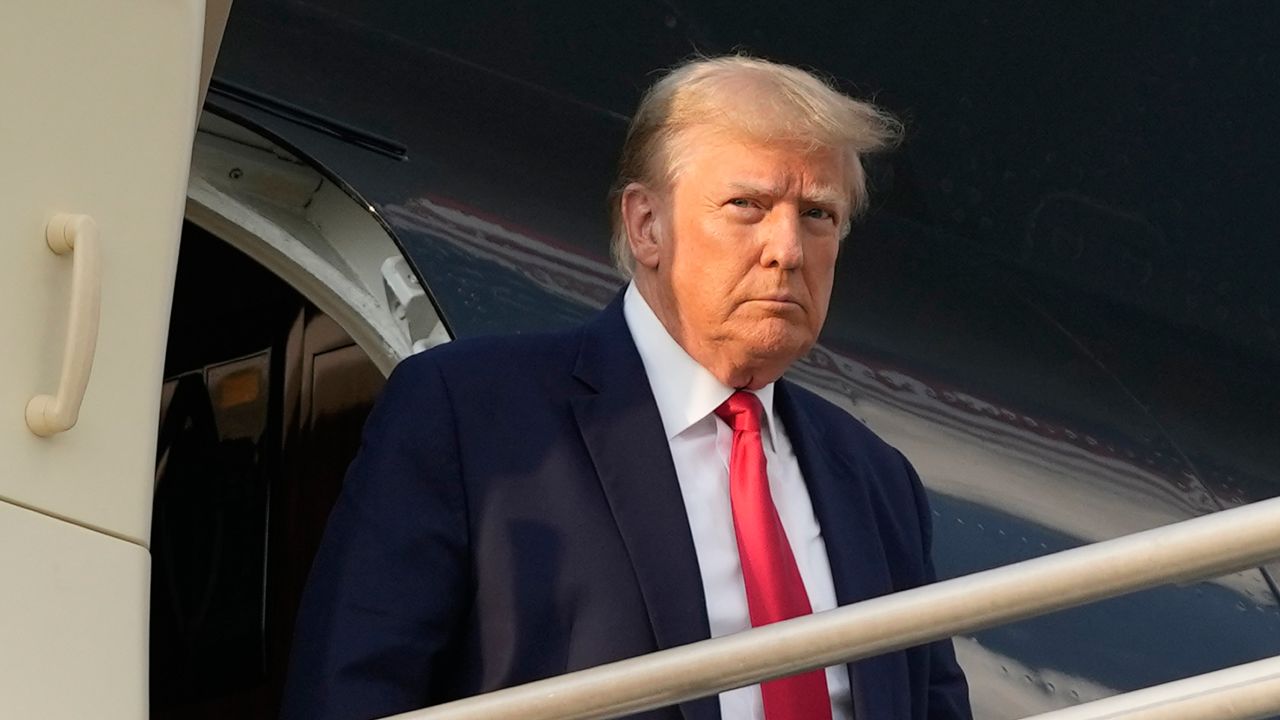
President Donald Trump announced on Saturday that the United States will hold off on a fresh military attack against Iran, citing requests from regional countries for time to negotiate a deal to reopen the Strait of Hormuz and halt Tehran’s nuclear ambitions, following five months of escalating regional conflict.
Trump Cancels Strikes and Points to Regional Talks on Strait of Hormuz
The de-escalation came following urgent discussions with Middle Eastern mediators, including a call with Crown Prince Mohammed bin Salman of Saudi Arabia, who stressed the necessity of prioritizing dialogue to lower tensions in the region.
According to Reuters, Trump stated that Iran and unnamed regional partners had asked for time to complete an arrangement that would secure the Immediate, Complete and Total
reopening of the vital shipping lane alongside an end to Iran’s nuclear threat.
Trump added that Israel joins me in this commitment.
Meanwhile, Iranian Foreign Minister Abbas Araqchi reported that negotiations between Tehran and Oman regarding the Strait of Hormuz were in their final stages, according to Iran’s official news agency IRNA.
CENTCOM Reports Commercial Shipping Attacks as New Sanctions Target Iranian Networks
The temporary diplomatic opening follows a wave of violent maritime incidents across the Gulf and Red Sea. Admiral Brad Cooper, head of the U.S. Central Command, stated that Iranian forces intentionally attacked seven commercial ships over a seven-day period, resulting in nearly a dozen civilian crew members being killed, injured, or going missing. Cooper noted that forces had also launched dozens of missiles and drones toward neighboring Gulf countries.
In response to the maritime disruptions, the U.S. Treasury Department imposed fresh sanctions targeting Mohammad Hossein Shamkhani’s network, which Washington identified as a major force behind Iranian oil exports and global containerized shipping.
India ordered a comprehensive “Seazarer-First” response after an Indian seafarer was killed aboard a UAE-linked vessel by an Iranian cruise missile. Union Minister Sarbananda Sonowal directed real-time monitoring and dedicated liaison coordination across multiple government ministries and the Indian Navy.
Tehran Pushes Back Against U.S. Blockade Claims and Rejects Islamabad Talks
Diplomatic channels remain fractured by competing accusations over truce violations. While Pakistan prepared to host a new round of truce talks in Islamabad, President Donald Trump accused Iran of violating the ceasefire numerous times
and warned that military strikes could restart immediately if negotiations collapse.

Iranian officials rejected participation in the Islamabad meetings, maintaining that Tehran’s immediate priority is implementing a 14-point memorandum of understanding mediated by Pakistan and Qatar before entertaining new agreements, as reported by Hindustantimes. Iranian Foreign Ministry spokesperson Esmaeil Baghaei accused Washington of breaching the ceasefire from the beginning of its implementation
by maintaining a naval blockade in the Strait of Hormuz and seizing an Iranian container ship.
Baghaei also dismissed recent U.S. warnings as psychological and cognitive warfare,
while acting Iranian defense minister Brigadier General Majid Ebn Al-Reza emphasized that Tehran would boost its preparedness and deterrence rather than remain passive.
Energy Markets Strained as Maritime Incidents Continue Off Oman
The five-month conflict has effectively closed the Strait of Hormuz—a crucial artery handling 20% of the world’s oil and liquefied natural gas prior to the war—pushing energy prices upward and fueling broader inflation. Benchmark Brent crude futures traded around per barrel after surging 24% last month when an April ceasefire unraveled.

Adding to transit vulnerabilities, the United Kingdom Maritime Trade Operations reported receiving accounts of two maritime incidents off Oman on Saturday, including an unknown projectile striking a tanker’s engine room and a large explosion reported close to a second vessel.
“With or without an agreement, and regardless of any external commitments, if Iran attempts to renew its nuclear programme or advance its ballistic missile industries, we will be there. We will take action, and we will strike.”
Eli Cohen, Israel’s Energy Minister, via Reuters
Related reading