
The 79th Cannes Film Festival, held in May 2026, served as a high-profile arena for one of the most contentious debates in contemporary cinema: the role and regulation of artificial intelligence in filmmaking. As the industry faces a transformative technological shift, the discourse at Cannes highlighted a stark divide between those embracing AI as a creative tool and those fearing for the future of human labor and intellectual property rights.
The conversation regarding the AI debate at Cannes 2026 underscored the urgency of the industry’s response to generative technology. While some creators view these tools as a natural evolution of visual effects and post-production, others continue to sound alarms regarding the potential for widespread job displacement and the ethical implications of training models on existing creative works. This tension was palpable throughout the festival, reflecting broader global concerns about how intellectual property and creative rights are managed in an era of rapid technological advancement.
The Creative Divide: Innovation Versus Preservation
For many filmmakers, the integration of AI is not merely a technical update but a fundamental challenge to the craft of storytelling. The discussion in Cannes centered on the balance between efficiency and artistic integrity. Proponents argued that AI tools can democratize production, allowing smaller teams to achieve high-end visual results that were previously limited to major studios with massive budgets. Conversely, prominent talent and guild representatives raised significant concerns about the potential for AI to replace roles in screenwriting, editing, and performance.
The Screen Actors Guild – American Federation of Television and Radio Artists (SAG-AFTRA) has been at the forefront of these discussions, emphasizing the necessity of legal protections against the unauthorized use of an artist’s digital likeness. The focus at the festival mirrored the ongoing efforts by labor unions to establish contractual safeguards that define the boundaries between machine-assisted production and the authentic representation of human performance.
Regulatory Challenges and Ethical Implications
Beyond the creative concerns, the festival provided a platform to discuss the evolving legal landscape surrounding AI. As governments worldwide begin to implement frameworks to manage the risks associated with generative models, the film industry finds itself in a unique position as both a consumer of these technologies and a primary target of their potential misuse.
The European Union’s AI Act, which represents a significant step in the global governance of these systems, was a frequent topic of reference during industry panels. The legislation aims to address transparency requirements for AI-generated content, a critical issue for filmmakers concerned about the authenticity of the media they distribute. By requiring clear disclosure for synthetic content, policymakers hope to preserve the integrity of the creative market while still allowing for technological development.
Key Issues Shaping the Industry Conversation
- Intellectual Property Rights: Establishing clear ownership for works created with AI assistance.
- Digital Likeness Protections: Protecting actors from the unauthorized use of their image, voice, and performance data.
- Transparency in Content: Implementing industry-wide standards for labeling content that has been significantly altered or generated by AI.
- Labor Stability: Addressing concerns regarding the long-term impact of automated workflows on employment within technical and creative sectors.
What Happens Next: The Path Toward Standardization
The discourse at Cannes is expected to inform upcoming labor negotiations and policy discussions in the latter half of 2026. As studios and independent producers navigate these challenges, the focus will likely shift toward establishing industry-wide best practices that respect individual rights while fostering innovation.
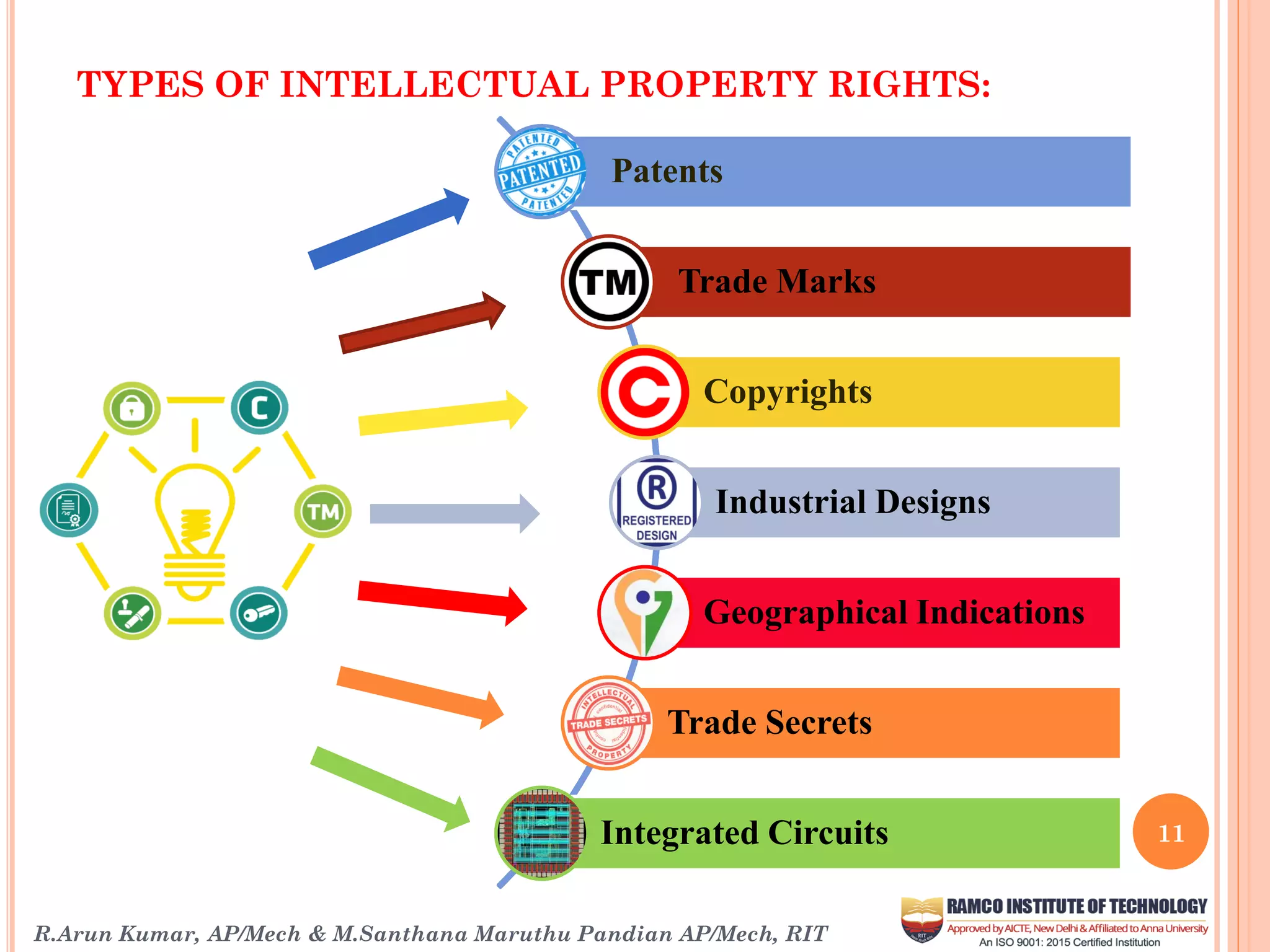
Industry stakeholders are closely monitoring the implementation of new international guidelines, which are expected to be the subject of further deliberation at subsequent global film forums later this year. Readers interested in following these developments can monitor official updates from the World Intellectual Property Organization, which continues to facilitate international dialogue on the intersection of technology and copyright law. As the industry moves forward, the consensus appears to be that while AI is here to stay, its integration into the cinematic process will remain subject to rigorous ethical and legal scrutiny.
What are your thoughts on the role of AI in the future of film? Join the conversation in the comments below and share this report with your network to keep the dialogue going.
Keep reading