
A catastrophic gas explosion at the Liushenyu Coal Mine in Shanxi province has left at least 82 people dead, marking the most severe mining disaster in China since 2009. The incident, which occurred at 19:29 local time on Friday, has prompted a major emergency response and a vow from central government authorities to conduct a rigorous investigation into the safety failures that led to such a significant loss of life.
The tragedy unfolded as 247 workers were on duty at the facility. While rescue operations have managed to save more than 100 individuals, the scale of the disaster has prompted an immediate, large-scale deployment of emergency personnel. According to official reports, the death toll was initially estimated to be higher, but was revised down late Saturday after authorities acknowledged that initial chaotic conditions at the site had led to an unclear headcount and inaccurate reporting.
Emergency Response and Ongoing Recovery
Following the blast, which has been identified as a gas explosion, the focus shifted rapidly to the search for survivors and the medical treatment of the injured. Officials have confirmed that 128 people are currently receiving hospital care, with two individuals reported to be in critical condition. Most of the hospitalized workers are being treated for the effects of inhaling poisonous gas, though the specific chemical composition of the air in the mine at the time of the incident has not been publicly identified by authorities. Reporting from the BBC confirms that rescue officials are working to verify the status of two missing workers.
In an effort to reach areas deemed too dangerous or inaccessible for human rescuers, state media reported that teams deployed specialized mine inspection robots early Sunday morning. These units are equipped with infrared cameras and gas sensors, allowing operators on the surface to collect data and monitor for potential signs of life. The use of such technology underscores the extreme challenges faced by responders navigating the aftermath of the explosion.
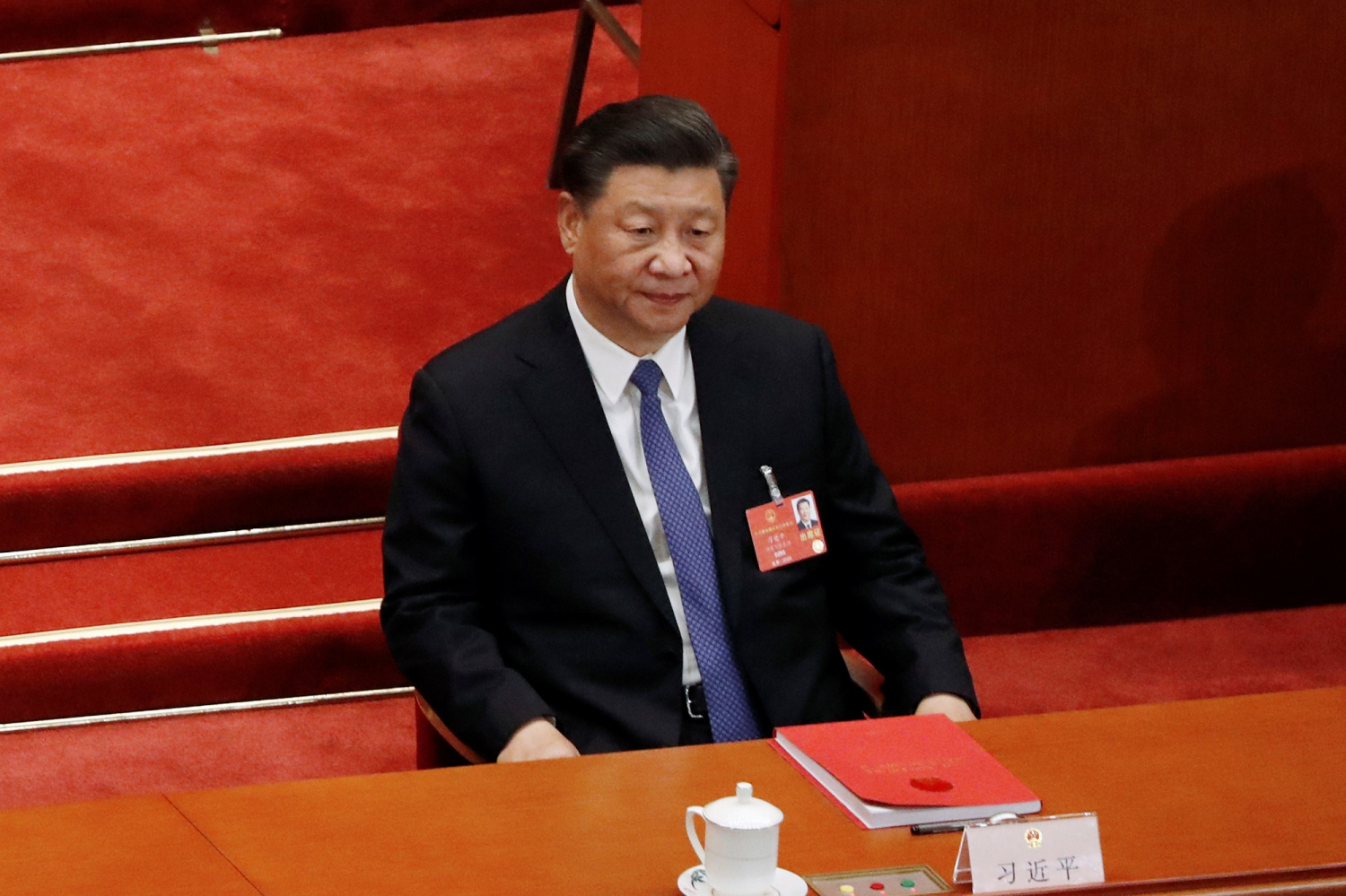
The urgency of the situation has drawn high-level attention. Chinese President Xi Jinping has publicly stated that no effort must be spared in the treatment of the injured and the ongoing search for survivors. The State Council has committed to a comprehensive investigation, promising that those found responsible for safety lapses will be severely punished.
Industry-Wide Safety Implications
The disaster at Liushenyu has triggered immediate repercussions across the regional mining sector. Local officials in Shanxi province have ordered mandatory, immediate safety inspections for all coal mines operating within their jurisdiction. As a direct consequence of these safety mandates, production has been suspended at all four mines operated by the parent group responsible for the Liushenyu site. This incident is widely cited as the deadliest of its kind in China since the 2009 disaster in Heilongjiang province, which claimed 108 lives.
For the global mining community and economic analysts, the event serves as a stark reminder of the persistent risks inherent in the coal sector. Despite advancements in safety protocols and the integration of automated monitoring technology, the frequency of such high-casualty events in the region remains a critical concern for regulators and investors alike.
What Happens Next
As the investigation into the Liushenyu incident progresses, the primary focus will remain on two fronts: the final accounting of the missing workers and the forensic determination of the explosion’s cause. The government’s promise of a “rigorous” investigation suggests that the findings will likely result in stricter enforcement of existing safety regulations and potentially new mandates for methane detection and ventilation systems in underground coal operations.

The industry will be watching closely for the release of the official investigation report, which is expected to outline the specific regulatory failures or mechanical malfunctions that permitted such a high concentration of explosive gas to accumulate. Until these findings are made public, the suspension of operations across the affected mining group remains a temporary but necessary measure to ensure the safety of the workforce in the region.
For readers tracking this developing situation, official updates regarding the investigation and the status of the affected workers will be provided through the State Council’s information channels and authorized state media outlets. We will continue to monitor these developments as more information becomes available.
We invite our readers to share their thoughts and analysis on the evolving state of industrial safety and regulatory oversight in the mining sector in the comments section below.
Keep reading