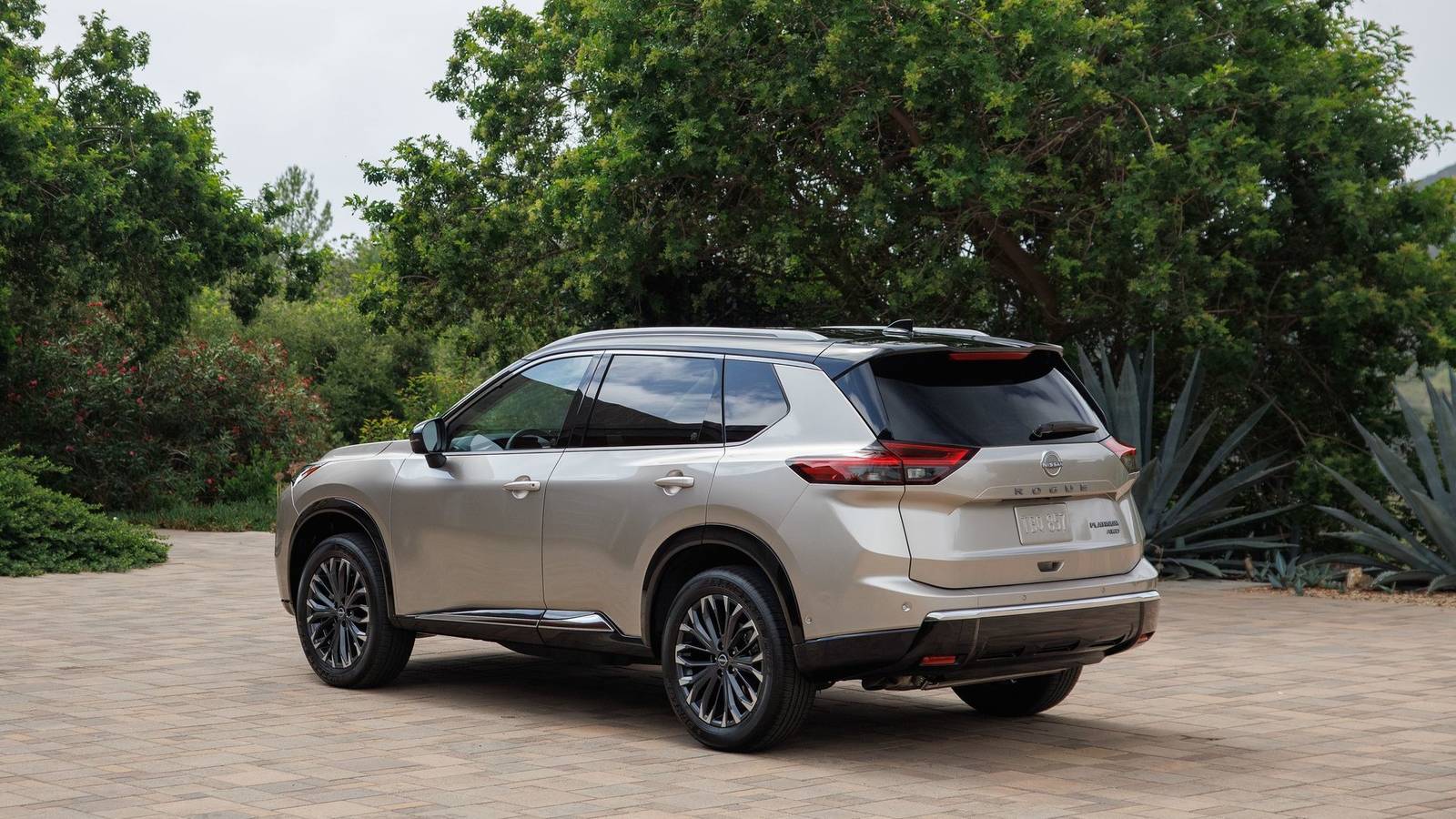
The compact SUV segment has long been dominated by stalwarts that prioritize reliability and ubiquity, with the Toyota RAV4 standing as the perennial benchmark for millions of drivers worldwide. However, as we move through the second quarter of 2026, the automotive landscape is undergoing a subtle but significant transformation. Consumers, often driven by a desire for a blend of premium interior finishes and advanced digital ecosystems, are increasingly shifting their gaze toward alternative models that challenge the status quo.
For those navigating the current market, the decision-making process has become more complex. While the RAV4 maintains a massive footprint in the industry, recent shifts in supply chain logistics and a heightened focus on cabin technology have allowed competitors to carve out a larger share of the segment. As a technology editor, I have observed that today’s buyers are no longer just comparing horsepower or cargo space; they are evaluating integrated software experiences and the seamlessness of driver-assistance suites, areas where the competitive balance has begun to tilt in unexpected directions.
According to recent market analysis from J.D. Power, consumer satisfaction metrics are increasingly tied to the ease of use of infotainment systems and the reliability of over-the-air (OTA) updates. This shift highlights a broader trend: in 2026, the “plushness” of an SUV—defined by high-quality materials and intuitive digital interfaces—has become a primary driver of purchase intent, moving beyond the traditional reliance on brand loyalty alone.
Understanding the Shift: Tech and Comfort as Primary Drivers
The transition in consumer preference is not merely about aesthetics; it is a fundamental shift in what constitutes value. In the compact SUV category, the “plush” factor now encompasses everything from acoustic glass that reduces cabin noise to the latency of the vehicle’s central processor. For many, the appeal of moving away from the segment leader is rooted in the availability of premium features that were once reserved for luxury marques.

Industry data indicates that manufacturers who prioritize user experience design—specifically regarding smartphone integration and voice-command responsiveness—are seeing higher retention rates among younger demographics. The National Highway Traffic Safety Administration (NHTSA) also continues to emphasize that as vehicle systems become more automated, the interface between the driver and the machine must be as intuitive as possible to maintain safety standards.
When cross-shopping, potential buyers are finding that newer entrants into the market are offering more aggressive pricing on high-end trim levels. This strategy forces established players to defend their market share, often resulting in better consumer incentives. For a deeper look at how these market dynamics are evolving, readers can consult the latest Kelley Blue Book market assessments, which track the shifting preferences in the compact utility vehicle space.
Key Factors Influencing the 2026 Buyer
Why are buyers choosing to pivot? The reasons are multifaceted, but they generally fall into three distinct categories:
- Digital Ecosystem Integration: Modern drivers demand seamless connectivity. Vehicles that offer native support for advanced cloud services and faster processing speeds for navigation are winning over tech-savvy buyers.
- Material Quality and Ergonomics: The “plush” experience is defined by tactile feedback. Soft-touch materials, ambient lighting customization, and ergonomic seating adjustments are consistently cited in consumer reports as high-priority items.
- Advanced Driver Assistance Systems (ADAS): Beyond standard safety, buyers are looking for systems that offer a more refined, less intrusive experience. The calibration of these systems is a major differentiator in 2026.
As these features become more accessible, the barrier to entry for luxury-adjacent experiences has lowered. It is no longer necessary to pay a premium for a luxury badge to receive a high-quality interior and a sophisticated software suite, a fact that is reshaping the competitive landscape for 2026.
Looking Ahead: What Consumers Should Watch
For those currently in the market for a new vehicle, the landscape remains volatile. Supply chain adjustments and shifts in manufacturing priorities continue to influence availability and pricing. It is essential for prospective buyers to keep an eye on upcoming safety ratings and software update schedules, as these will define the long-term value of any vehicle purchased this year.
/cloudfront-us-east-2.images.arcpublishing.com/reuters/IW7F2CVEIVIRZGNB2SFQ3ADTUE.jpg "Market Shift Insurance Institute for Highway Safety")
The next major industry update is expected later this summer, when the Insurance Institute for Highway Safety (IIHS) releases its mid-year crashworthiness and technology integration reports. These findings will likely provide further clarity on which models are truly leading the pack in terms of both structural integrity and digital safety.
Have you recently shopped for a compact SUV? Are you finding that the traditional leaders still offer the best value, or have you been swayed by the new wave of tech-forward competitors? I invite you to share your experiences and insights in the comments section below. Your feedback helps our community stay informed on the rapidly changing automotive world.