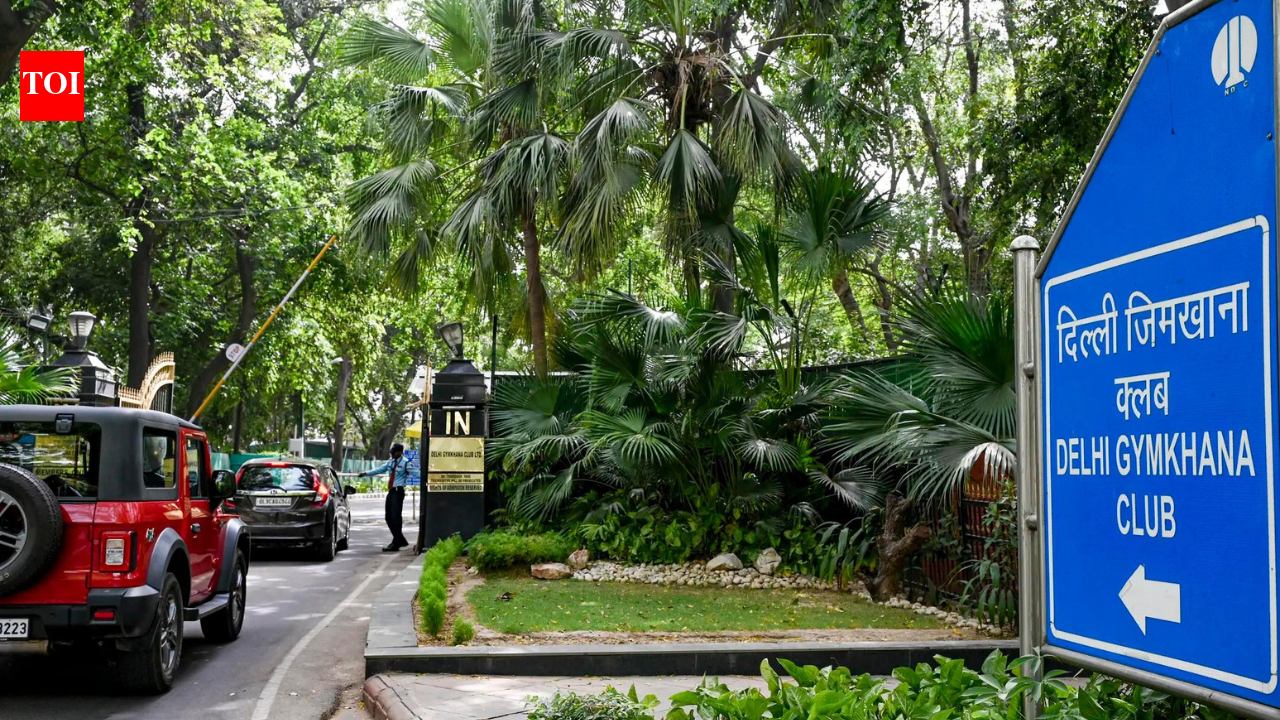
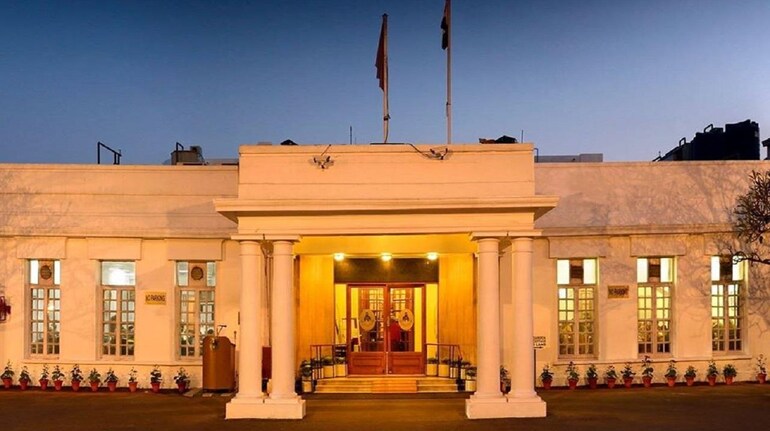
The Delhi Gymkhana Club, an institution long synonymous with the power, privilege, and social hierarchy of India’s capital, faces an existential challenge as the federal government moves to reclaim the land on which it stands. Located prominently in the heart of Lutyens’ Delhi, the club has received a formal directive from the Land and Development Office (L&DO) under the Union Ministry of Housing and Urban Affairs to vacate its premises by June 5, 2026.
This development marks a significant escalation in the government’s efforts to repossess public land in the capital. According to official notices, the land is required for the strengthening of defense infrastructure and other vital public security purposes. The government’s move to terminate the lease, which dates back to 1928, has prompted the club’s management to prepare for a legal challenge to contest the repossession order, setting the stage for a high-stakes court battle.
A Century of History at a Strategic Crossroads
Founded in 1913 as the Imperial Delhi Gymkhana Club, the institution has occupied its current site on Safdarjung Road for over a century. The present structures were largely developed during the 1930s. For generations, the club has served as a central hub for the elite, including top government functionaries, diplomats, and business leaders. Its proximity to the Prime Minister’s official residence at 7 Lok Kalyan Marg has long underscored its strategic importance within the Lutyens’ Delhi zone.
The current government directive, issued by the L&DO, specifies that upon the date of “re-entry”—the legal term used for the premature termination of the lease—the entire land parcel, including all structures, lawns, and fittings, shall vest absolutely with the government. Officials have indicated that this action is part of a broader initiative to secure land along the Lok Kalyan Marg corridor for institutional needs and, potentially, the development of highly secure residences for state officials.
Legal Hurdles and Regulatory Intervention
The tension between the government and the Delhi Gymkhana Club is not entirely new. The institution has been the subject of long-running litigation and regulatory scrutiny, particularly following a bureaucratic intervention that began in 2021. Throughout this period, the club has faced challenges regarding its governance, membership policies, and the management of its assets. The government’s decision to invoke its power of re-entry represents the most significant move to date in the ongoing efforts to exert control over the land.
Legal experts following the matter note that the club’s management is likely to seek an injunction against the eviction notice. The primary argument for the defense is expected to center on the validity of the lease termination and the necessity of the government’s stated requirements for the land. As the June 5 deadline approaches, the club’s leadership is preparing to move the court to seek a stay on the government’s order, arguing that the repossession would cause irreparable harm to the institution and its members.
Key Developments in the Gymkhana Club Dispute
- Lease Origin: The 27.3-acre plot was originally granted on a perpetual lease to the club in 1928.
- Government Order: The L&DO issued a formal notice for “re-entry” with immediate effect, citing strategic defense needs.
- The Deadline: The club has been directed to surrender peaceful possession of the premises no later than June 5, 2026.
- Institutional Future: The government has stated that the land is intended for urgent institutional and public-interest projects in the national capital.
What Happens Next?
As the June 5, 2026, deadline looms, the situation remains fluid. The government has made it clear that in the event of noncompliance, the possession of the premises will be taken over in accordance with the law. This leaves the club in a precarious position, awaiting a potential judicial intervention to stall the process. For the thousands of members who have viewed the club as a permanent fixture of Delhi’s social landscape, the coming weeks will be critical in determining whether the institution continues to operate or becomes a part of the city’s history.
We will continue to monitor the situation as the club approaches its scheduled date in court. For readers seeking the latest updates, official filings and court dockets remain the most reliable sources for information regarding the legal status of the property. Please share your thoughts in the comments section below as this story develops.
Related reading