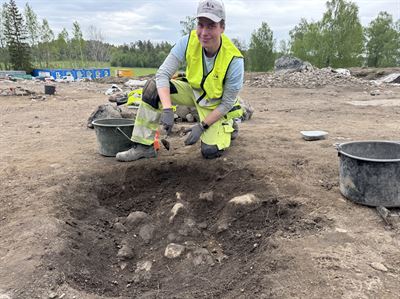
Archaeological investigations in Sweden continue to provide vital insights into the nation’s historical development, with fieldwork often necessitated by modern infrastructure projects and land development. Among the various initiatives managed by state authorities, the systematic examination of sites like Rogsta represents the intersection of cultural heritage preservation and contemporary land-use regulations. These efforts are guided by the Swedish Cultural Environment Act, which mandates the documentation and protection of archaeological remains encountered during construction or excavation activities.
The process of archaeological preservation in Sweden is a structured legal framework overseen by the National Historical Museums (Statens historiska museer). As detailed in the agency’s 2024 Annual Report, the growth of the national collection is driven by a combination of acquisitions, donations, and the systematic transfer of artifacts unearthed during archaeological surveys. These surveys are essential, as they ensure that historical data is not lost when sites are disturbed by development.
Understanding Archaeological Mandates in Sweden
In Sweden, the management of archaeological heritage is deeply embedded in the national legislative system. Under the Cultural Environment Act (1988:950), any party planning construction or land development that may affect an ancient monument must undergo a formal assessment. When archaeological remains are identified, the relevant county administrative board determines the extent of the necessary investigation. This ensures that the documentation of the site occurs before physical changes to the landscape are permitted.
The work conducted at sites like Rogsta is typically carried out by professional archaeological units, such as Arkeologerna, which operate under the direction of the National Historical Museums. These professional teams are responsible for the technical execution of excavations, the cataloging of findings, and the subsequent reporting required by law. The objective is to balance the needs of a modern society with the responsibility to preserve the physical record of human activity over the past millennia.
The Role of Systematic Surveys
The methodology employed in modern Swedish archaeology focuses on high-precision documentation. Whether the site involves remnants from the early modern period or artifacts dating back over a thousand years, the primary goal remains the extraction of knowledge that informs our understanding of regional history. For instance, recent fieldwork in different parts of the country, such as near Ystad, has demonstrated the value of surveying land to uncover remnants that might otherwise remain hidden beneath the soil, as noted in current archaeological project documentation.
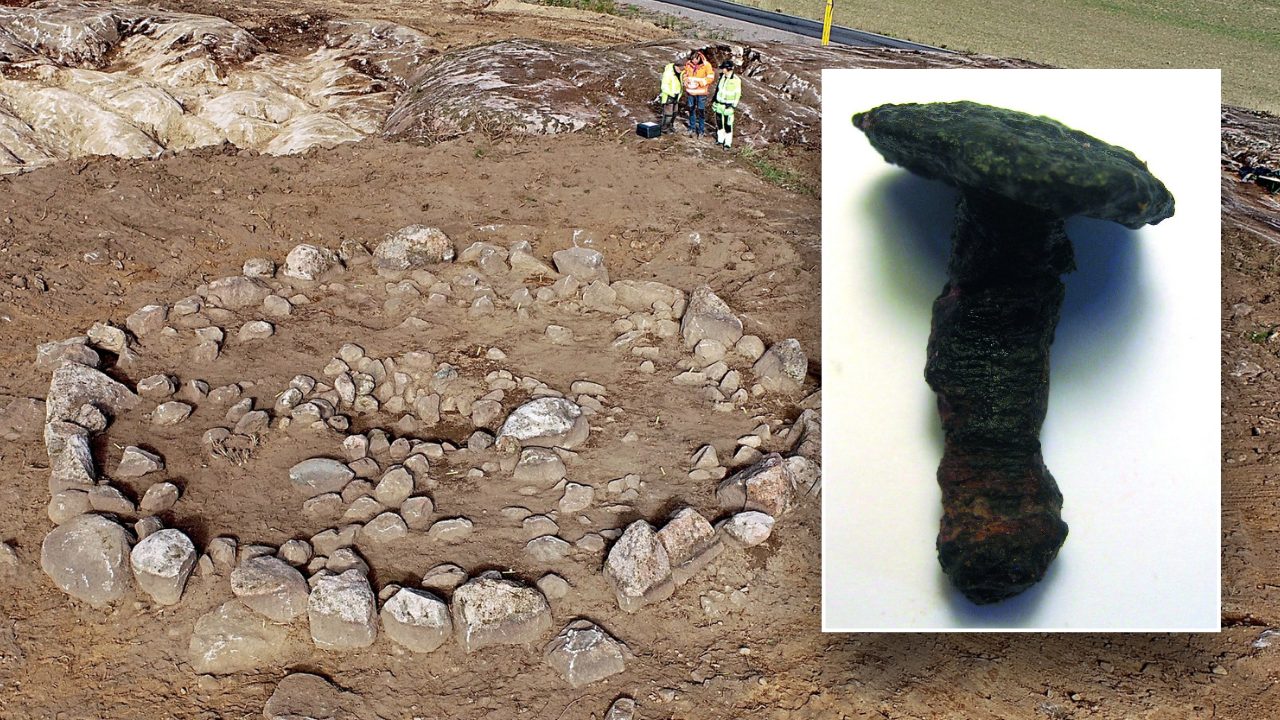
The findings from such investigations are not limited to physical objects. They encompass soil samples, botanical remains, and structural foundations that provide a holistic picture of historical land use, settlement patterns, and economic activities. Once the fieldwork is completed, the artifacts are processed, analyzed in laboratory settings, and eventually integrated into the national museum database, ensuring they are available for future research and public education.
Impact on Cultural Heritage and Public Knowledge
The significance of these archaeological investigations extends beyond the immediate findings. By adhering to the protocols established by the National Historical Museums, Sweden ensures a consistent standard of heritage management. This transparency is critical for maintaining public trust in how cultural resources are handled. When a site is identified for investigation, the resulting reports become part of the public record, contributing to the broader academic discourse on Scandinavian history.
For the general public, these investigations often serve as a bridge to the past. They highlight the longevity of human presence in specific regions, turning modern construction sites into classrooms for history. As the National Historical Museums continues to process materials from various locations, the public can access information regarding new findings through official reports and museum exhibitions, which serve to contextualize the work performed in the field.
Key Takeaways on Archaeological Processes
- Legal Basis: All archaeological work in Sweden is governed by the Cultural Environment Act (1988:950), which provides the legal framework for protecting heritage during development.
- Institutional Oversight: The National Historical Museums oversee the acquisition and management of artifacts, ensuring they are preserved for future generations.
- Professional Standards: Excavations are conducted by specialized units that follow strict scientific protocols to document historical findings before land development proceeds.
- Public Access: Findings from archaeological surveys are recorded and integrated into national archives, making them accessible for academic study and public inquiry.
As of late May 2026, the ongoing efforts by state authorities and archaeological units remain a cornerstone of Sweden’s commitment to cultural preservation. The next steps for active sites typically involve the completion of post-excavation analysis, followed by the submission of final reports to the regional county administrative boards. Readers interested in the progress of specific regional projects are encouraged to consult the official publications of the National Historical Museums or the project summaries provided by authorized archaeological contractors.
We invite our readers to share their thoughts on the balance between modern development and heritage protection in the comments section below.
Keep reading