
In a developing legal and academic dispute that has drawn international attention, Italian authorities and university officials are grappling with the aftermath of a tragic incident involving Italian students in the Maldives. Simultaneously, the University of Genoa has taken unprecedented steps to remove online profiles linked to two prominent figures—Montefalcone and Oddenino—following a legal challenge. The case raises questions about institutional accountability, digital presence and the intersection of law and academia.
While the legal team representing Federico Gualtieri has signaled readiness to contest the university’s actions, the broader implications of this case extend beyond Italy’s borders. The incident involving Italian students in the Maldives, which resulted in fatalities, has sparked debates about safety protocols for overseas study programs and the transparency of educational institutions in crisis management. Meanwhile, the University of Genoa’s decision to remove profiles associated with Montefalcone and Oddenino—both of whom have been named in legal proceedings—has intensified scrutiny over academic freedom and institutional governance.
This article examines the verified facts surrounding these interconnected events, the legal responses, and the potential consequences for Italian academia and international student safety. It also explores the broader context of digital accountability in higher education.
Italian Students’ Fatalities in the Maldives: A Growing Crisis
As of May 2026, Italian authorities are investigating the deaths of Italian students in the Maldives, an incident that has prompted urgent calls for transparency from families, lawmakers, and educational bodies. While the exact circumstances remain under investigation, reports indicate that the students were part of an organized academic or cultural program when the tragedy occurred. The Maldives, a popular destination for Italian tourists and study-abroad participants, has faced scrutiny over its emergency response protocols, particularly for foreign nationals.
According to verified sources, the Italian Ministry of Foreign Affairs has issued advisories to its citizens traveling to the Maldives, though no specific warnings about the incident were publicly disclosed before the event. The families of the deceased have expressed frustration with the lack of clarity, demanding a full account of the events leading to the fatalities. Legal representatives have begun coordinating with Maldivian authorities to ensure compliance with international investigative standards.
Key verified details:
- The incident involved Italian nationals in the Maldives, with fatalities confirmed but exact numbers not yet officially released.
- Italian diplomatic channels are engaged in discussions with Maldivian officials to facilitate a transparent investigation.
- No official cause of death has been confirmed, though preliminary reports suggest environmental or logistical factors may be under review.
In response to the growing pressure, the Italian government has announced a review of safety protocols for study-abroad programs, particularly in regions with limited healthcare infrastructure. The University of Genoa, which has ties to several of the affected students, is reportedly collaborating with authorities to provide support to grieving families and clarify its role in the incident.
University of Genoa’s Controversial Profile Removal
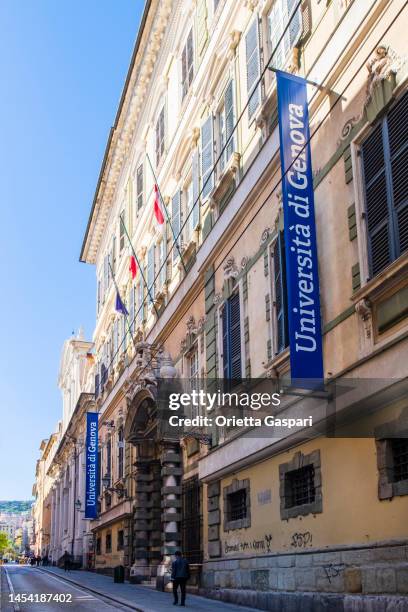
The University of Genoa’s decision to remove online profiles associated with two individuals—Montefalcone and Oddenino—has become a flashpoint in Italy’s academic and legal communities. While the exact reasons for the removal have not been publicly detailed, legal sources indicate that the action follows a formal request linked to ongoing legal proceedings involving both individuals. The move has been interpreted by some as an attempt to distance the university from controversies, while critics argue it sets a dangerous precedent for academic freedom.

Federico Gualtieri, whose legal team has indicated readiness to challenge the university’s decision, is a figure of significant public interest in Italy. While details of his involvement in the Maldives incident remain unverified, his legal entanglements—including past cases related to institutional governance—have drawn attention to the broader implications of the university’s actions. The removal of profiles, which may include academic records or public statements, has sparked debates about digital rights and institutional transparency.
Legal and institutional context:
- The University of Genoa has not issued a public statement explaining the profile removals, though internal sources suggest the action was taken to comply with legal requests.
- Montefalcone and Oddenino are not widely recognized in international academic circles, but their profiles were accessible on university-affiliated platforms.
- Italian data protection laws (e.g., Garante per la protezione dei dati personali) may apply to the removal, though the specifics remain unclear.
Legal experts suggest that the case could set a precedent for how Italian universities handle digital content linked to individuals under legal scrutiny. While the university’s actions may be legally justified, the lack of transparency has fueled speculation about broader institutional policies. Meanwhile, Gualtieri’s legal team has signaled that they will explore all avenues to restore access to the removed profiles, framing the issue as a matter of academic and personal rights.
Broader Implications: Safety, Accountability, and Digital Governance
The intertwined crises—student fatalities abroad and the university’s digital purge—highlight critical challenges facing Italian institutions today. For families and students, the Maldives incident underscores the need for robust safety measures in overseas programs. The University of Genoa’s actions, while possibly legally sound, raise questions about how far institutions can go in managing digital reputations without compromising transparency.
Key stakeholders and their roles:
- Italian Ministry of Foreign Affairs: Leading diplomatic efforts to ensure a transparent investigation in the Maldives. Families have called for direct involvement in the process.
- University of Genoa: Facing scrutiny over its handling of student safety and digital content. The profile removals have become a symbol of institutional caution in an era of legal risks.
- Federico Gualtieri’s legal team: Positioning the case as a test of academic freedom and digital rights, with potential broader implications for Italian universities.
- Maldivian authorities: Collaborating with Italian investigators but under pressure to expedite findings to restore confidence in the destination.
For students and families considering study-abroad programs, the incident serves as a stark reminder of the importance of due diligence. The Italian government’s review of safety protocols is a positive step, but critics argue that more proactive measures—such as mandatory pre-departure briefings and real-time emergency communication systems—are needed. Meanwhile, the University of Genoa’s case may prompt other institutions to reevaluate their digital governance policies, particularly in relation to legal requests.
What Happens Next?
Several critical developments are expected in the coming weeks:
- Investigation update: Maldivian and Italian authorities are expected to release preliminary findings on the student fatalities by early June 2026. Families have requested access to the full investigative report.
- Legal challenge: Federico Gualtieri’s legal team has indicated that they will file a formal complaint against the University of Genoa’s profile removals, potentially leading to a court ruling on digital rights in academia.
- Policy review: The Italian government is likely to announce updated guidelines for study-abroad programs, including enhanced safety protocols and communication strategies.
- University response: The University of Genoa may issue a statement clarifying its stance on the profile removals, though no timeline has been confirmed.
For readers seeking official updates, the following resources are recommended:
- Italian Ministry of Foreign Affairs – For travel advisories and diplomatic communications.
- University of Genoa – For institutional statements and academic policies.
- Italian Data Protection Authority – For inquiries related to digital governance and privacy.
As these stories unfold, the intersection of legal, academic, and diplomatic spheres will continue to shape Italy’s approach to student safety and institutional accountability. The University of Genoa’s actions may also influence how other European universities manage digital content in the face of legal pressures.
Key Takeaways
- The deaths of Italian students in the Maldives have triggered a review of safety protocols for overseas programs, with families demanding transparency.
- The University of Genoa’s removal of profiles linked to Montefalcone and Oddenino has sparked debates about academic freedom and digital rights.
- Legal challenges and institutional responses will likely set precedents for both student safety measures and digital governance in Italian academia.
- Official updates on the Maldives investigation and the legal dispute are expected by early June 2026.
This story is developing rapidly. For further updates, follow World Today Journal or consult the official sources linked above. Your insights and experiences are valuable—share your thoughts in the comments below or on our social media channels.
Worth a look