Jonathan Reed — Editor, News
London, UK — May 26, 2026 — Texas voters will cast their ballots in critical primary runoff elections today, with five key races poised to determine the state’s political trajectory for years to come. From the high-stakes U.S. Senate contest between incumbent Republican John Cornyn and conservative challenger Colin Paxton to the attorney general race featuring former U.S. Representative Chip Roy, these elections will shape Texas’ influence in Washington and beyond. With early voting already underway and runoff ballots being tallied, here’s what global observers need to know about the races that could redefine the Lone Star State’s political landscape.
Texas’ runoff elections follow a contentious primary season where no candidate secured a majority in several high-profile races. The outcomes will determine not only which candidates advance to the general election but also the ideological direction of the state’s delegation in Congress. The stakes are particularly high given Texas’ growing demographic and economic influence, making these races a bellwether for national political trends.
As of May 26, 2026, the Texas Secretary of State’s office has confirmed that over 1.2 million Texans have already cast early ballots in these runoff elections, setting the stage for what could be one of the most closely watched primary contests in recent memory. The final results will be certified by June 2, 2026, with the general election scheduled for November 4, 2026.
1. U.S. Senate Race: Cornyn vs. Paxton
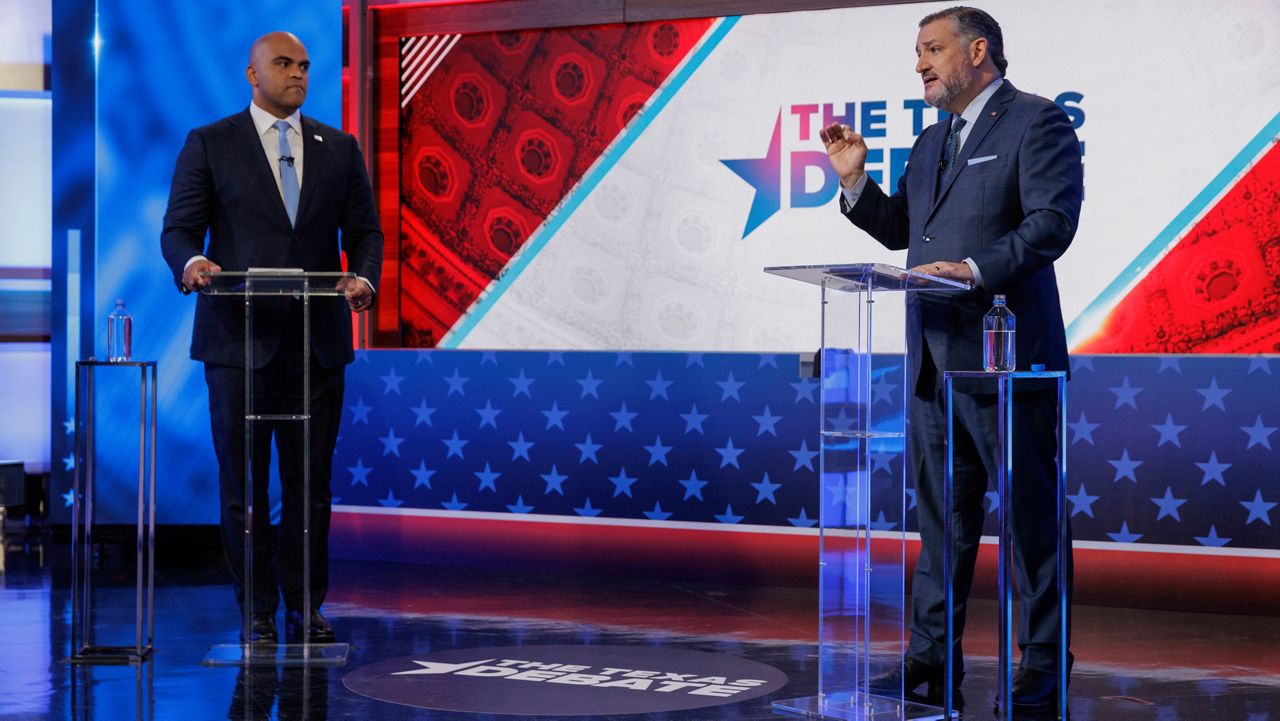
The most closely watched race is the U.S. Senate contest between incumbent Republican Senator John Cornyn and state Representative Colin Paxton. Cornyn, who has served in the Senate since 2002, faces a challenge from Paxton, a conservative firebrand who has positioned himself as a primary opponent of Cornyn’s more moderate stance on issues like abortion and immigration.
Paxton, who has been endorsed by former President Donald Trump, has framed the race as a choice between “Washington insiders” and “fighters for Texas values.” Cornyn, meanwhile, has emphasized his experience and record of delivering for the state, including his role in confirming three Supreme Court justices. The race has drawn national attention, with outside groups spending millions on ads targeting both candidates.
As of the latest filings with the Federal Election Commission, Cornyn has raised approximately $18.7 million for this runoff cycle, while Paxton has secured around $12.3 million. The campaign has focused heavily on suburban districts, where Cornyn has historically performed well but where Paxton’s message has resonated with conservative voters concerned about cultural shifts.
Key Issues in the Cornyn-Paxton Race
- Abortion: Paxton has vowed to support a national abortion ban, while Cornyn has called for a more measured approach, including protecting rape and incest exceptions.
- Immigration: Both candidates support stricter border policies, but Paxton has pushed for more aggressive action, including military deployment along the border.
- Election Integrity: Paxton has been a vocal critic of mail-in voting and election processes, while Cornyn has taken a more cautious approach.
2. Attorney General Race: Roy vs. Green
The attorney general race between former U.S. Representative Chip Roy and state Senator Jill Green has emerged as another high-profile contest. Roy, a staunch conservative who previously represented Texas’ 21st Congressional District, is running against Green, a former prosecutor who has positioned herself as a moderate Republican.
Roy, who served in Congress from 2015 to 2023, has been a vocal advocate for conservative policies, including opposition to critical race theory in education and support for restrictive abortion laws. Green, meanwhile, has emphasized her legal background and experience as a prosecutor, arguing that she can better protect Texans’ rights while still upholding conservative values.
This race has drawn particular attention because the attorney general’s office plays a crucial role in defending Texas’ laws at the federal level, including on issues like immigration enforcement and voting rights. The outcome could have significant implications for how Texas responds to potential federal challenges to state policies.
Why This Race Matters
The attorney general’s office in Texas is responsible for a wide range of functions, including representing the state in legal disputes, enforcing consumer protection laws, and overseeing elections. With Texas facing numerous legal battles—from voting rights cases to environmental regulations—the next attorney general will play a pivotal role in shaping the state’s legal strategy.
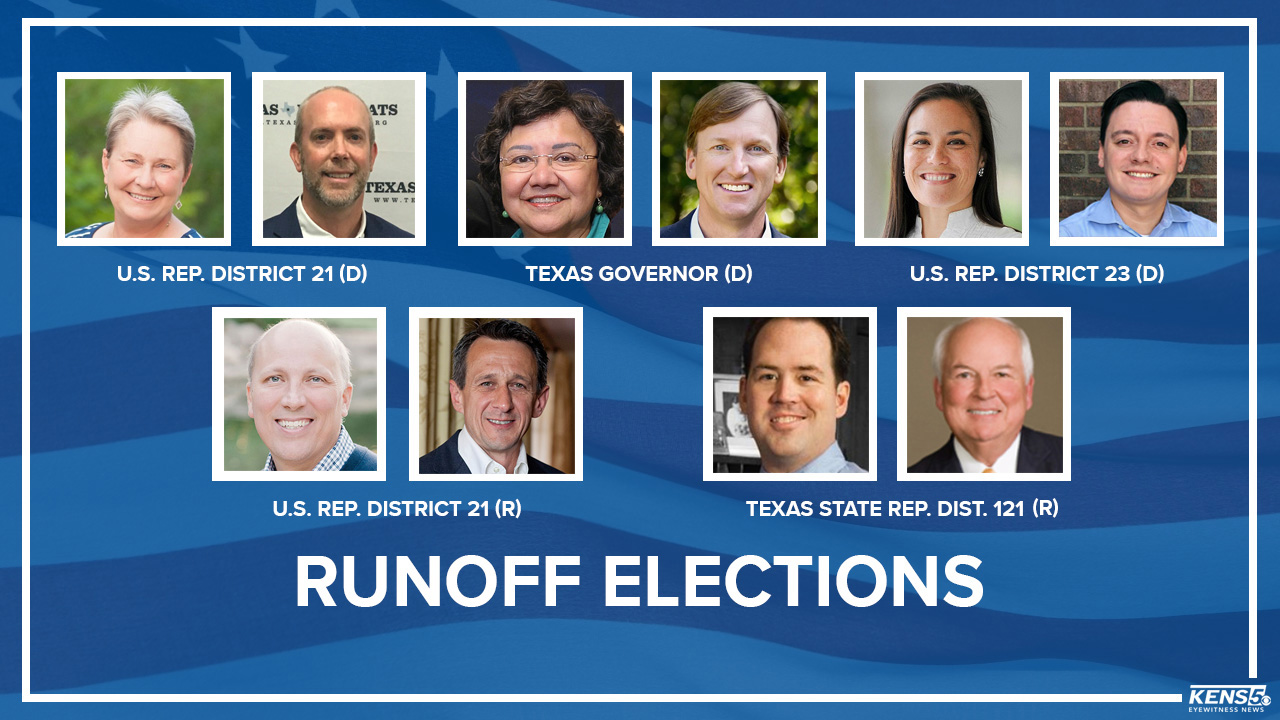
3. U.S. House Races: Competitive Districts to Watch
While the Senate and attorney general races dominate headlines, several U.S. House races are also too close to call. These contests could determine the balance of power in Texas’ delegation to Congress, which is currently split between Republicans and Democrats but has seen growing competition in recent cycles.
Key races include:
- TX-21: A rematch between incumbent Republican Chip Roy (who is also running for attorney general) and Democrat Rita Lucido. This district, which includes parts of Austin and San Antonio, has become increasingly competitive as suburban voters shift away from the Republican Party.
- TX-15: A contest between Republican Monica De La Cruz and Democrat Monica Martinez, both of whom represent parts of the Rio Grande Valley. This race has drawn national attention due to its demographic significance in a state where Latino voters are becoming an increasingly decisive bloc.
- TX-34: A three-way race between Republican Incumbents Mayra Flores and Vicente González, along with Democrat Jessica Cisneros. This district, which includes parts of the Dallas-Fort Worth metroplex, has been a battleground in recent elections as Democrats seek to flip seats in suburban areas.
These House races are particularly important because Texas is expected to gain additional congressional seats following the 2020 census. The outcomes of these runoffs could shape the state’s delegation for the next decade.
4. Railroad Commission: A Race with Broad Implications
One often-overlooked race is for the Texas Railroad Commission, which regulates the oil and gas industry, pipelines, and surface mining. While the commission’s name may be outdated, its role in overseeing Texas’ energy sector—one of the largest in the world—makes this race significant for both economic and environmental stakeholders.
The three-member commission is currently controlled by Republicans, but the runoff elections could shift the balance. The outcomes will determine whether the commission continues to prioritize fossil fuel production or begins to incorporate more environmental regulations in response to federal and global pressures.
This race has drawn attention from energy companies, environmental groups, and even international investors who are monitoring Texas’ regulatory environment. The Railroad Commission’s decisions on issues like methane emissions and pipeline safety could have ripple effects across the global energy market.
5. Statewide Judicial Races: Shaping Texas’ Courts
While federal races often steal the spotlight, statewide judicial races are also critical in determining the ideological direction of Texas’ courts. These elections will fill seats on the Texas Supreme Court and Court of Criminal Appeals, both of which play a pivotal role in interpreting state laws and shaping public policy.
The outcomes of these races could influence decisions on issues ranging from property rights and business regulation to criminal justice reform. With Texas’ population continuing to grow, the demand for judicial clarity on issues like water rights, land use, and constitutional challenges will only increase.
These judicial races are particularly important because Texas does not have a statewide judicial nominating commission. Instead, candidates are elected directly by voters, meaning the runoff results will have a direct impact on the bench for years to come.
Key Takeaways: What These Races Mean for Texas and Beyond
- The Cornyn-Paxton Senate race is a proxy battle for the future of Texas conservatism, with implications for national GOP strategy ahead of the 2026 midterms and 2028 presidential election.
- The attorney general race will determine how aggressively Texas pushes back against federal policies, particularly on immigration, voting rights, and environmental regulations.
- House races in suburban and urban districts could signal broader trends in voter behavior, particularly among Latino and suburban voters who are increasingly shaping Texas politics.
- The Railroad Commission race will influence Texas’ role in global energy markets, with decisions on fossil fuel regulation affecting both domestic and international stakeholders.
- Statewide judicial races will shape the legal landscape for business, property rights, and criminal justice in Texas for the next decade.
FAQ: Texas Runoff Elections 2026
Q: When are the runoff election results expected to be certified?
A: The Texas Secretary of State’s office will certify runoff election results by June 2, 2026. This timeline allows for a recount period if necessary, with final certification required before the general election on November 4, 2026.
Q: Can independents or third-party candidates participate in these runoffs?
A: No. Texas runoff elections are limited to the top two candidates from each party’s primary, regardless of whether they are Democrats, Republicans, or other recognized parties. Independent candidates must run through a party to participate in runoffs.
Q: How do runoff elections work in Texas?
A: In Texas, if no candidate receives a majority of the vote (over 50%) in a primary election, the top two candidates—regardless of party—advance to a runoff. Voters then choose between these two candidates, and the winner secures the nomination for the general election. This system is designed to ensure that only the most broadly supported candidates advance.
Q: What happens if there’s a tie in the runoff?
A: Texas law does not provide for a tie in runoff elections. If the results are tied, the Texas Secretary of State’s office will conduct a random drawing to determine the winner. However, ties are extremely rare due to the state’s strict recount procedures.
What Happens Next?
Following the certification of runoff results on June 2, 2026, the general election campaign season will officially begin. Candidates will focus on mobilizing their bases and appealing to undecided voters in key districts. The general election is scheduled for November 4, 2026, with early voting expected to begin in late September.
For voters looking to stay informed, the Texas Secretary of State’s office provides real-time updates on election results, candidate filings, and voter resources. The Federal Election Commission also offers detailed campaign finance reports for all federal candidates.
As Texas continues to assert its influence on national politics, these runoff elections will serve as a critical indicator of the state’s evolving political landscape. Whether it’s the battle between moderates and conservatives in the Senate race or the shifting dynamics in suburban House districts, the outcomes will resonate far beyond the Lone Star State.
We encourage readers to share their thoughts on these races in the comments below and to follow our coverage as we analyze the results and their implications for Texas and the broader U.S. Political scene.
- Three States Schedule Rare Triple Executions for Same Day
- Midwest Severe Storms and Tornadoes Leave Multiple Dead and Hundreds of Thousands Without Power
- Otsuka Subsidiary Lung Cancer Drug Trial Meets Primary Endpoint (world-today-news.com)
- Two Soldiers Dead After Military Apache Helicopter Crashes in Salado, Texas (archynewsy.com)