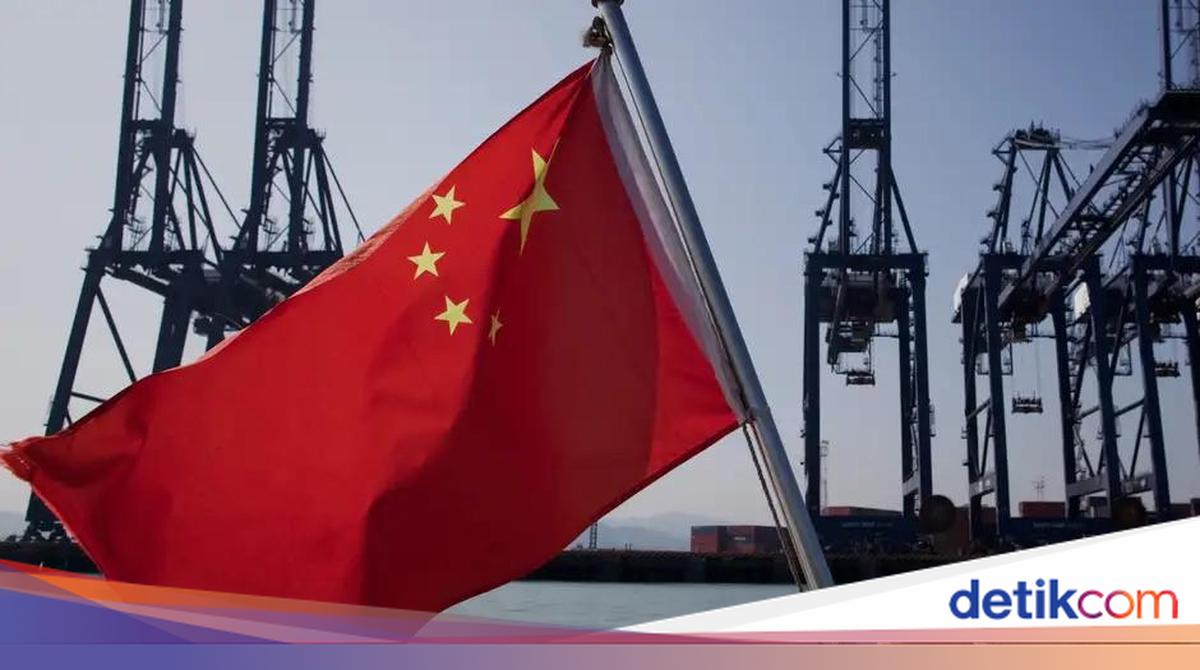
In the evolving landscape of international relations, the strength of a nation’s soft power is often measured by the reach of its diplomatic presence. While global observers frequently fixate on the competition between Washington and Moscow, the title for the world’s most extensive diplomatic network is currently held by a different global player. As of 2026, China maintains the largest diplomatic network worldwide, a testament to its expanding influence across continents and its strategic prioritization of bilateral engagement.
According to the Lowy Institute’s Global Diplomacy Index, which tracks the diplomatic footprints of G20 and OECD nations, China has steadily increased its number of missions to surpass traditional Western powers. This shift in the ranking of countries with the most embassies and high commissions underscores a broader trend in 21st-century statecraft, where physical presence serves as a cornerstone for economic partnerships, infrastructure development, and political alignment.
The Mechanics of Global Influence
Diplomatic networks are more than just buildings in foreign capitals; they are the front lines of national interest. A robust network of embassies and consulates allows a country to facilitate trade, provide consular services to its citizens abroad, and exercise influence in regional organizations. The U.S. Department of State notes that maintaining such a vast infrastructure requires significant logistical coordination and budgetary commitment. For Beijing, the expansion has been a deliberate, long-term policy aimed at securing access to emerging markets and strengthening ties through the Belt and Road Initiative.
In contrast, the United States, which long held the top position, has seen its network remain relatively static or face consolidation in certain regions. The U.S. Government Accountability Office has periodically examined the challenges of maintaining a global footprint, citing the need for balancing fiscal responsibility with the necessity of maintaining a presence in key geopolitical theaters. While Washington continues to maintain a formidable presence, the numerical advantage now clearly rests with China.
Why Diplomatic Reach Matters
The significance of these rankings lies in what they signal about a nation’s foreign policy priorities. A sprawling diplomatic network is often a precursor to deeper economic integration. By staffing posts in nations that are often overlooked by other major powers, China has been able to establish itself as a primary partner for development. This strategy of “diplomatic persistence” allows for greater agility in responding to local political shifts and securing long-term resource agreements.
For observers of international affairs, the density of these networks is a metric to watch. It reflects not just the wealth of a nation, but its willingness to dedicate personnel and resources to the front lines of diplomacy. As noted by the DiploFoundation, the digital age has not replaced the need for in-person representation; rather, it has made the quality and location of those physical missions more critical for intelligence gathering and relationship building.
Comparative Analysis of Global Networks
When analyzing the top tier of diplomatic networks, the gap between the leaders is often narrow. The following table summarizes the status of the leading nations based on recent data from the Lowy Institute:

| Country | Diplomatic Standing | Primary Strategic Focus |
|---|---|---|
| China | Largest Network | Global Infrastructure & Trade |
| United States | High-Density Presence | Alliances & Security Cooperation |
| France | Extensive Reach | Cultural Influence & European Integration |
the number of missions does not always correlate directly with influence. The quality of diplomatic staff, the longevity of the missions, and the specific mandates of each embassy play a vital role in determining effectiveness. However, the sheer scale of the Chinese network provides a tangible advantage in terms of geographic reach, particularly across the Global South.
Future Trends in Global Diplomacy
As we look toward the remainder of 2026, the trajectory of diplomatic expansion remains a key indicator of geopolitical ambition. While traditional powers like France and the United Kingdom continue to maintain significant networks, the focus has shifted toward how these networks adapt to new global challenges, such as climate change and the transition to renewable energy. The United Nations continues to serve as the primary venue for multilateral diplomacy, but the bilateral relationships forged through these vast national networks remain the bedrock of international stability.
The next major update on global diplomatic rankings is expected from the Lowy Institute in early 2027. In the meantime, the world watches as these networks continue to facilitate the complex web of interactions that define our modern global order. We welcome your thoughts on how these diplomatic shifts are impacting your home region; please feel free to share your perspectives in the comments section below.
Keep reading