As the geopolitical tension surrounding the Strait of Hormuz continues to oscillate, the connection between diplomatic rhetoric and the volatility of global energy markets remains a central concern for international observers. While recent reports have suggested progress toward an agreement aimed at easing transit restrictions in this vital maritime choke point, the reality on the ground—and on the water—is far more complex. For energy traders, shipping logistics firms and global consumers, the lag between a potential political breakthrough and the actual lowering of oil prices is likely to be measured in months, not days.
The Strait of Hormuz serves as a critical artery for the world’s energy supply, with a significant portion of global petroleum output passing through its narrow passage. Any disruption to this flow, whether through direct military action or the threat of blockade, inevitably sends shockwaves through the Brent crude futures market. While high-level discussions often grab headlines, the maritime industry operates on a foundation of risk assessment and insurance, both of which require tangible stability rather than mere statements of intent.
For those tracking these developments, it is essential to distinguish between a diplomatic framework and the operational reality of commercial shipping. Even if a formal agreement were to be signed today, the logistical challenges of returning to pre-conflict transit levels are substantial. The presence of underwater hazards, the need for coordinated mine-clearing operations, and the requirement for shipping insurance providers to adjust their risk premiums mean that price relief at the pump is unlikely to be immediate, even under the most optimistic peace scenarios.
The Logistical Hurdles to Reopening the Strait
Reestablishing safe passage through the Strait of Hormuz is not a matter of simply lifting a mandate; it is an engineering and security challenge of massive proportions. According to maritime security experts, the primary concern for shipping companies is the suspected presence of naval mines in the area. The International Energy Agency has previously noted that securing the necessary minesweeping resources and conducting a thorough sweep to ensure safe transit could take several weeks, with full, steady export operations potentially requiring months to restore.

Beyond the threat of mines, there is the matter of vessel readiness. Many tankers that have been idling or diverted during the conflict may require significant maintenance before resuming long-haul operations. This includes everything from addressing biofouling—such as the accumulation of barnacles and algae on hulls—to addressing staffing shortages. With many vessels operating on skeleton crews, the process of restaffing and recertifying ships for service adds another layer of delay to the resumption of normal trade flows.
the infrastructure surrounding the region has faced its own disruptions. As reported by major financial news outlets, facilities such as the Ras Laffan complex in Qatar have sustained damage due to regional hostilities. Repairing such critical infrastructure is a long-term project, with some estimates suggesting that returning to full capacity could take several years. These physical limitations mean that even if the strait were opened tomorrow, the volume of oil flowing through it would remain constrained by the region’s reduced production and processing capabilities.
Market Volatility and the Price Lag
The energy market is famously sensitive to news, but it is equally sensitive to the credibility of that news. When reports of a potential deal emerge, we often see an immediate, sharp reaction in Brent crude prices, as traders adjust their positions to account for a change in supply expectations. However, history has shown that these price swings can be just as quickly reversed when the underlying reality of the conflict remains unchanged.
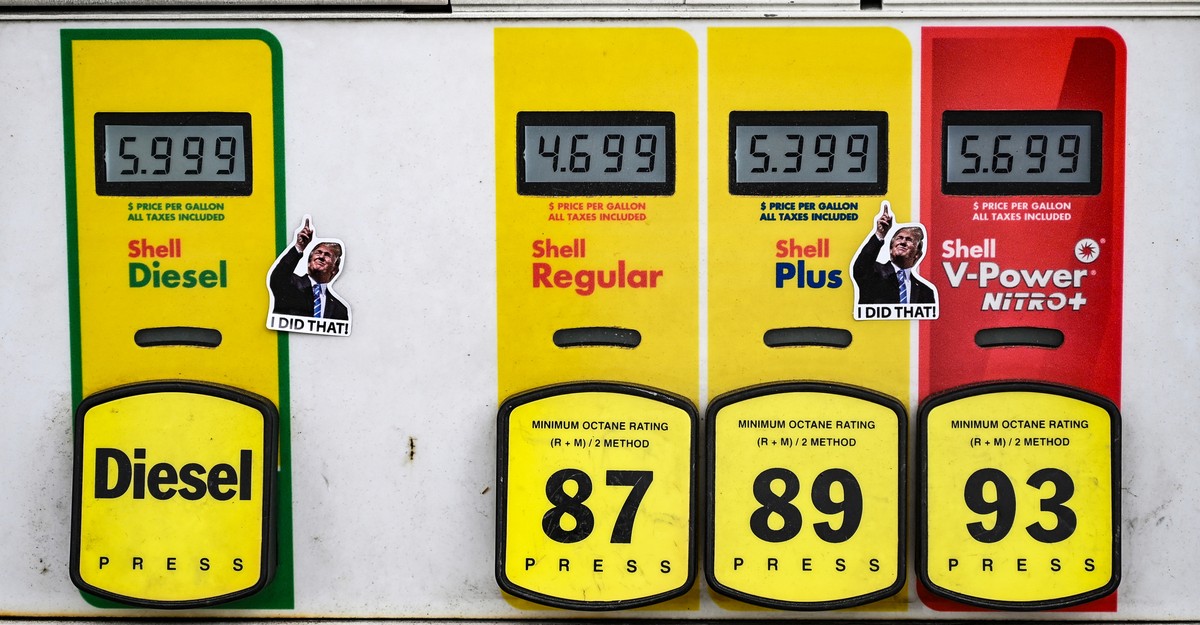
The relationship between crude oil prices and the cost of gasoline at the pump is rarely instantaneous. Even when global benchmarks fall, the retail price of fuel in the United States and elsewhere is subject to a variety of factors, including domestic refining capacity, transportation costs, and regional tax structures. Analysts from institutions like the Brookings Institution have pointed out that a durable, credible peace deal would be required to create a sustained downward pressure on prices, and even then, the transmission of those savings to the consumer could take several weeks.
This delay is the result of the “lag effect,” where the price of oil purchased today does not immediately dictate the price of fuel sold at the pump weeks from now. Because the global energy market is currently operating under a significant risk premium, any lingering uncertainty regarding the stability of the Strait of Hormuz will continue to keep prices elevated, regardless of the political posturing occurring in capital cities.
The Road Ahead for Energy Security
As the international community watches these negotiations unfold, the focus must remain on the metrics that actually matter for global energy security: the physical clearing of transit lanes, the stabilization of regional production facilities, and the lowering of insurance premiums for commercial vessels. Until these operational benchmarks are met, the volatility in the energy market is expected to persist.

For observers, the most reliable way to monitor the situation is through official updates from international maritime organizations and verified disclosures from energy regulatory bodies. Official announcements regarding the status of transit routes and the security profile of the Strait of Hormuz will provide a more accurate picture of when we might see a genuine return to pre-conflict market conditions. The path to stability is rarely a straight line, and as history suggests, the transition from conflict to commerce is a process that requires patience, verification, and time.
We will continue to track developments as they are confirmed by official sources. Whether you are an industry professional or a concerned global citizen, staying informed through verified channels is the best way to navigate these uncertain times. We invite you to share your thoughts on the impact of these geopolitical shifts in the comments section below.
Keep reading