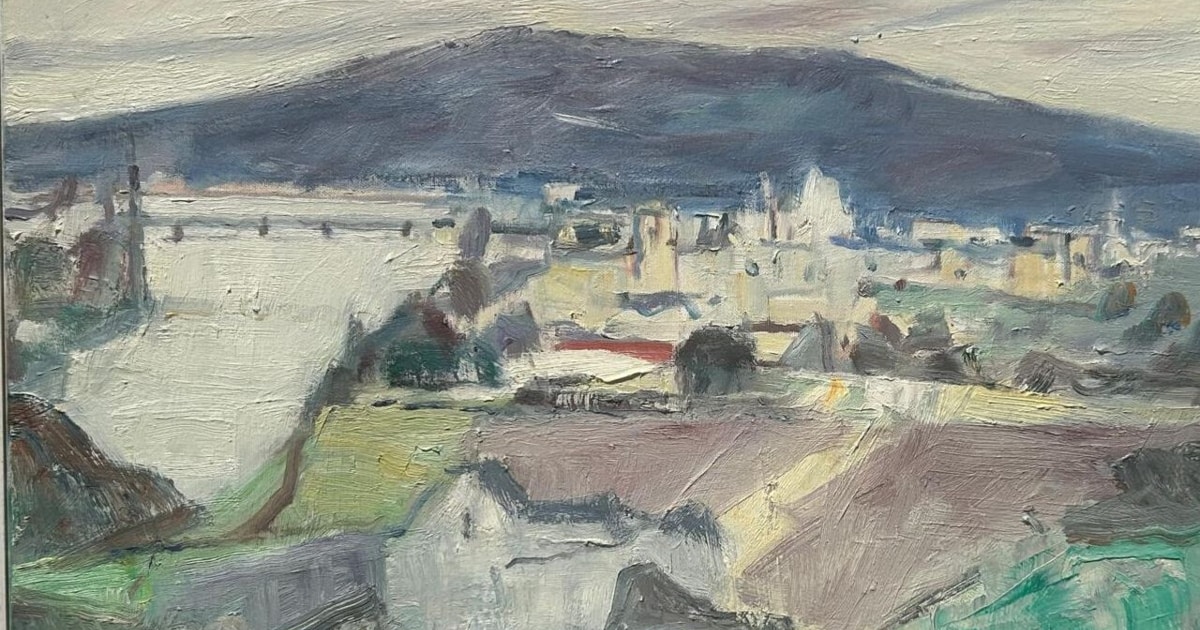
The artistic legacy of the Mühlviertel region in Upper Austria is currently undergoing a resurgence, as local galleries and historians work to re-examine the contributions of painters who helped define the region’s mid-20th-century aesthetic. Central to this rediscovery is the critical assessment of artists who emerged from the post-war pedagogical environment of Linz, a period characterized by a transition from traditional academic training to the experimental landscape of the 1960s.
The effort to document these figures, often categorized under the umbrella of regional modernism, serves as a bridge for contemporary audiences to understand the cultural shifts in Upper Austria following the Second World War. By focusing on the training grounds of the era—specifically the Bundesgewerbeschule in Linz—researchers are uncovering how individual artists navigated the tension between classical craftsmanship and the rising influence of abstract expressionism and contemporary design.
The Pedagogical Influence of Paul Ikrath and Franz von Zülow
The artistic development of many notable Linzer painters during the post-war era was deeply influenced by the faculty at the Bundesgewerbeschule Linz. Among the most prominent figures were Paul Ikrath and Franz von Zülow, whose teaching styles left a distinct mark on their students. According to records from the Digital Upper Austrian Room Information System (DORIS), which tracks regional history and cultural assets, the school played a vital role in reconstructing the local art scene after 1945.
Franz von Zülow, in particular, is recognized for his influence on the decorative arts and his unique approach to graphic design and painting. His pedagogical method, which often integrated elements of folk art with modern techniques, provided his students with a foundation that allowed them to transition into professional careers as freelance artists by the 1960s. This era marked a significant departure from the constraints of the immediate post-war years, as artists began to seek personal expression outside of state-sponsored commissions.
The Evolution of the Freelance Artist in the 1960s
As these artists moved into the 1960s, the shift toward a freelance career path became a defining characteristic of their professional identity. This transition was not merely a change in employment status but a reflection of the changing art market in Upper Austria. The ability to sustain a career as a freelance painter required a high level of adaptability, as artists balanced the demand for regional landscapes—a staple of the Mühlviertel art market—with the desire to innovate.
The Upper Austrian Cultural Quarter (OÖ Kultur) notes that this period saw an increase in independent gallery exhibitions, which provided a platform for artists to showcase work that moved beyond the traditional boundaries of their training. For many, this era remains the most significant period of production, where the techniques learned from mentors like Ikrath were refined into a signature style that characterized the “Linzer Schule” of the mid-20th century.
Preserving the Mühlviertel Artistic Heritage
The current rediscovery of these painters is supported by a growing interest in the Mühlviertel cultural identity, which has prompted local historians to archive previously overlooked collections. By analyzing the works held in private estates and smaller community galleries, researchers are able to reconstruct the careers of painters who might otherwise have been lost to history. This process of documentation is essential for ensuring that the artistic narrative of the region remains accurate and inclusive.
While many of these artists remain niche figures on the global stage, their influence on the local cultural landscape is undeniable. The focus remains on cataloging their stylistic evolution, from their early academic sketches under Ikrath and von Zülow to their later, more abstract works created as independent artists. The ongoing efforts by regional institutions to digitize these archives provide a transparent and accessible record for future scholars and art enthusiasts alike.

Future updates regarding the exhibition schedules for these rediscovered works will be managed by the Upper Austrian State Museum, which periodically updates its database regarding regional artistic movements. Those interested in the historical context of Linz’s post-war art scene are encouraged to monitor these official institutional records for upcoming retrospectives and archival releases.
What are your thoughts on the preservation of regional mid-century art? We invite you to share your insights in the comments section below or join the conversation on our social media channels.
Related reading