As we navigate an era of increasingly volatile climate patterns, the intersection of meteorology and public health has become a critical focal point for medical professionals worldwide. Recent discussions regarding the impact of extreme weather events—specifically tropical cyclones—have highlighted a dual concern: the potential for zoonotic disease transmission and the long-term management of non-communicable diseases like type 2 diabetes. While the direct impact of storms is often measured in infrastructure damage, the secondary health implications demand a more nuanced, proactive approach to community preparedness.
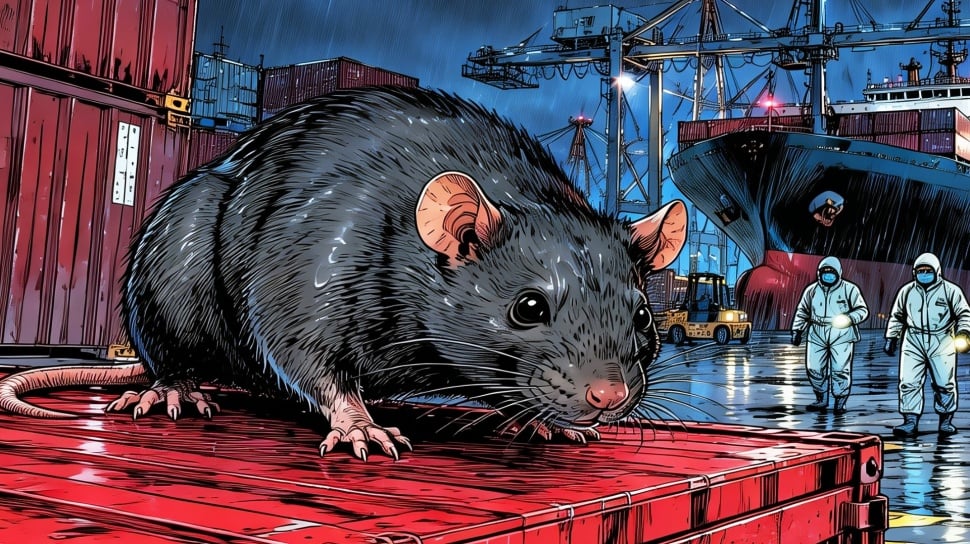
In regions susceptible to severe weather, the disruption of ecosystems can force wildlife into closer proximity with human populations, potentially increasing the risk of spillover events for zoonotic pathogens. Among these, hantaviruses—a family of viruses primarily carried by rodents—remain a subject of serious public health surveillance. According to the Centers for Disease Control and Prevention (CDC), hantavirus pulmonary syndrome (HPS) is a rare but severe respiratory disease, and understanding the environmental triggers that bring humans into contact with rodent waste is essential for prevention strategies.
The Environmental Connection to Zoonotic Risks
When tropical cyclones or severe flooding occur, the displacement of rodent populations is a documented phenomenon. As habitats are destroyed or flooded, these animals often seek shelter in human dwellings, increasing the likelihood of human exposure to aerosolized viral particles found in rodent urine, droppings, or saliva. The risk is not merely theoretical. it is a component of disaster medicine planning that emphasizes sanitation and rodent control in the aftermath of natural disasters, as noted by the World Health Organization regarding the broader management of viral hemorrhagic fevers and related zoonoses.
For local health authorities, the strategy centers on “early detection and community education.” In various urban centers, the focus has shifted toward training volunteers and emergency responders to recognize the signs of rodent infestation and the importance of hygiene protocols in post-disaster cleanup. By creating a network of informed individuals, public health departments can effectively monitor for anomalous clusters of respiratory illness, ensuring that medical intervention occurs before a localized incident grows into a broader health challenge.
Type 2 Diabetes: A Growing Concern in Younger Populations
While zoonotic threats are often associated with acute disaster scenarios, the global rise of type 2 diabetes in younger demographics represents a chronic, silent crisis that is exacerbated by the disruption of health services during extreme weather events. The World Health Organization reports that the prevalence of diabetes has been rising more rapidly in low- and middle-income countries, with an increasing number of young adults and adolescents receiving diagnoses that were historically reserved for older populations.
The correlation between extreme weather and metabolic health is multifaceted. During and after a cyclone, access to specialized care, refrigeration for insulin, and the availability of healthy, fresh food are often compromised. For a young person managing type 2 diabetes, even a brief interruption in routine—whether it be the inability to exercise, the consumption of shelf-stable processed foods, or the stress of displacement—can lead to significant fluctuations in blood glucose levels. Managing this condition requires consistent access to medical infrastructure, which is precisely what is most vulnerable during an environmental crisis.
Key Takeaways for Public Health Preparedness
- Zoonotic Surveillance: Post-storm sanitation is vital. Avoiding contact with rodent-infested areas and using proper protective equipment during cleanup can significantly reduce Hantavirus exposure risks.
- Metabolic Health Resilience: Young people diagnosed with type 2 diabetes must maintain a “disaster kit” that includes a minimum two-week supply of medication and an updated copy of their clinical records.
- Community Engagement: Local health agencies, including organizations like the Red Cross and regional health ministries, are increasingly implementing training programs to empower community volunteers to act as first-line monitors for infectious disease outbreaks.
- Digital Health Integration: The use of telemedicine and digital health records has become a cornerstone in ensuring that patients with chronic conditions remain connected to their care teams, even when physical clinics are inaccessible due to weather damage.
Moving Toward Proactive Healthcare Policy
The intersection of climate change and public health is no longer a peripheral concern; it is a central pillar of modern internal medicine. As we look toward future policy frameworks, the integration of environmental data into public health modeling is essential. By identifying “high-risk” zones where climate vulnerability overlaps with existing health disparities, governments can better allocate resources for both infectious disease prevention and the management of chronic conditions.
For the individual, the message is one of empowerment through knowledge. Understanding the risks associated with your local environment is the first step toward resilience. Whether it involves securing your home against rodent entry after a flood or ensuring that your diabetes management plan is robust enough to withstand a week of power outages, preparation is the most effective medicine.
We invite you to share your thoughts on how your local community is preparing for these dual threats. If you have questions about specific health protocols or would like to learn more about how to manage chronic conditions during emergencies, please feel free to comment below or consult the official health advisory pages provided by your national health ministry.
As of this writing, no new emergency alerts regarding specific hantavirus outbreaks have been issued by global health authorities. For the most current information, please refer to the World Health Organization’s official health news portal or your local government’s public health department website.
Worth a look