Global progress in reducing child mortality has hit a critical impasse, as recent data from the United Nations Inter-agency Group for Child Mortality Estimation (UN IGME) reveals that the steady decline in deaths among children under five years of age has slowed significantly. While millions of lives have been saved over the last two decades, the pace of improvement is failing to keep up with the targets set by the Sustainable Development Goals (SDGs), leaving millions of children vulnerable to preventable causes of death.
According to the 2024 report released by the UN IGME, which includes data from UNICEF, the World Health Organization (WHO), and the World Bank, the global under-five mortality rate fell by 51% between 2000 and 2022. However, this progress is unevenly distributed, and in many low-income regions, the momentum required to meet the 2030 target of 25 deaths per 1,000 live births is dissipating. In 2022 alone, an estimated 4.9 million children died before reaching their fifth birthday, a figure that underscores the urgent need for renewed investment in healthcare infrastructure and primary care.
The Widening Gap in Global Child Survival
The stagnation in mortality reduction is most pronounced in sub-Saharan Africa and parts of Southern Asia. These regions continue to bear the highest burden of child deaths, driven by persistent challenges such as limited access to clean water, inadequate nutrition, and insufficient maternal healthcare. As noted in the official press release from the World Health Organization, nearly half of all under-five deaths occur in the first 28 days of life, categorized as neonatal mortality. These early deaths are largely linked to complications during birth and infections that are treatable with timely, high-quality medical intervention.
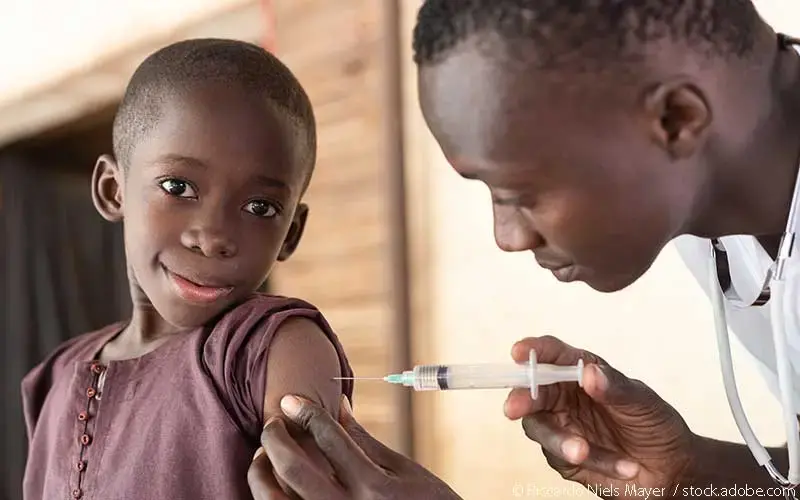
The disparity between high-income and low-income nations remains stark. A child born in a high-mortality country is statistically far more likely to succumb to preventable conditions than a child born in a region with robust public health systems. The UN report highlights that the primary drivers of these deaths—pneumonia, diarrhea, and malaria—remain manageable through existing, low-cost interventions such as vaccinations, oral rehydration therapy, and the use of insecticide-treated bed nets.
Impact of Healthcare Disruptions and Economic Instability
Public health experts point to a convergence of factors that have stalled progress. The residual effects of the COVID-19 pandemic, which disrupted routine immunization schedules and maternal health services, continue to reverberate across health systems in the Global South. As documented by the UNICEF Data and Analytics team, the interruption of essential services created a “catch-up” crisis, where health systems are struggling to regain their pre-pandemic reach while simultaneously managing new economic pressures and climate-related health threats.
Economic instability often forces families to prioritize immediate survival over preventative healthcare. When households lose access to primary care clinics due to rising costs or lack of transport, the window for addressing childhood illnesses closes rapidly. The UN IGME’s analysis emphasizes that without a significant increase in international funding for primary healthcare, the trajectory of child survival will remain insufficient to reach the 2030 global targets.
Pathways to Reversing the Trend
To address these challenges, the WHO and its partners advocate for a “systems-strengthening” approach. This involves moving beyond vertical, disease-specific programs to build integrated, resilient health systems that can provide continuous care from pregnancy through childhood. Key priorities for policymakers include:
- Expanding the health workforce: Investing in trained midwives and community health workers who can provide care in remote or underserved areas.
- Universal Health Coverage (UHC): Removing financial barriers that prevent families from seeking early treatment for childhood illnesses.
- Data-driven interventions: Utilizing precise mortality data to identify “hotspots” where child survival rates are stagnant and targeting resources accordingly.
The World Bank’s ongoing health financing assessments indicate that while global GDP has risen, the proportion of national budgets allocated to maternal and child health has not kept pace in the most affected nations. The evidence suggests that the technology and medical knowledge required to save these children already exist; the current barrier is primarily one of implementation and sustained political will.
What Lies Ahead for Child Survival Goals
The global community faces a narrowing timeline to achieve the Sustainable Development Goal target for child mortality by 2030. The next major assessment will occur through the annual updates provided by the UN IGME, which tracks progress against the baseline established in the 2024 report. International health agencies are expected to hold a series of regional summits throughout the remainder of the year to discuss country-specific strategies for accelerating the delivery of essential maternal and newborn services.
For healthcare professionals and policy observers, the situation remains a critical indicator of global equity. As we monitor these developments, it is clear that the focus must shift from merely tracking statistics to implementing the structural changes necessary to ensure that a child’s survival is not determined by their place of birth. We encourage our readers to stay informed on these updates through the official portals of the World Health Organization and UNICEF. Please share your thoughts on the role of international cooperation in public health in the comments section below.
Worth a look