
The landscape of mobile computing is undergoing a significant shift as manufacturers integrate advanced artificial intelligence capabilities directly into hardware. Acer has recently expanded its portfolio with new Snapdragon-based AI laptops, introducing devices designed to leverage the specialized architecture of Qualcomm’s Snapdragon X Series processors. These machines represent a broader industry transition toward “Copilot+ PC” performance, which emphasizes on-device processing to enhance productivity and user experience.
For users in the market for a new machine, the introduction of these models—specifically the Swift 14 AI—highlights a focus on power efficiency and AI-driven workflows. By utilizing the Qualcomm Snapdragon X Series processors, these laptops are engineered to handle complex computational tasks while maintaining the battery longevity often expected from modern mobile hardware. This shift is part of a larger, ongoing effort by major tech firms to bring generative AI tools, such as Microsoft’s Copilot, into the local operating environment rather than relying exclusively on cloud-based processing.
Understanding the Shift to Snapdragon-Powered AI PCs
The integration of Snapdragon processors into the Windows laptop ecosystem is a notable development for consumers. Unlike traditional x86-based architectures, the ARM-based Snapdragon X Series utilizes a Neural Processing Unit (NPU) dedicated to accelerating AI workloads. This hardware-level optimization is what allows these devices to meet the criteria for the Copilot+ PC designation. According to Qualcomm’s official product specifications, the architecture is designed to deliver high-performance computing with significantly improved power efficiency, which is critical for professionals and students alike who require all-day battery life.

The importance of this transition cannot be overstated. By offloading AI tasks to the NPU, the central processor (CPU) and graphics processor (GPU) remain free to manage other system functions. This leads to a more responsive user interface, even when running intensive applications. For those following the evolution of consumer electronics, this marks the most significant architectural change in the Windows laptop space in over a decade.
Key Features of the Latest Acer Lineup
Acer’s commitment to this new hardware category is reflected in the design of the Swift 14 AI. The device is built to be a primary tool for those who rely on AI-assisted software. The focus is not just on raw processing speed, but on the seamless integration of AI features that assist with real-time translation, image generation, and intelligent system management. You can find more details on their current lineup and availability through the official Acer product portal.
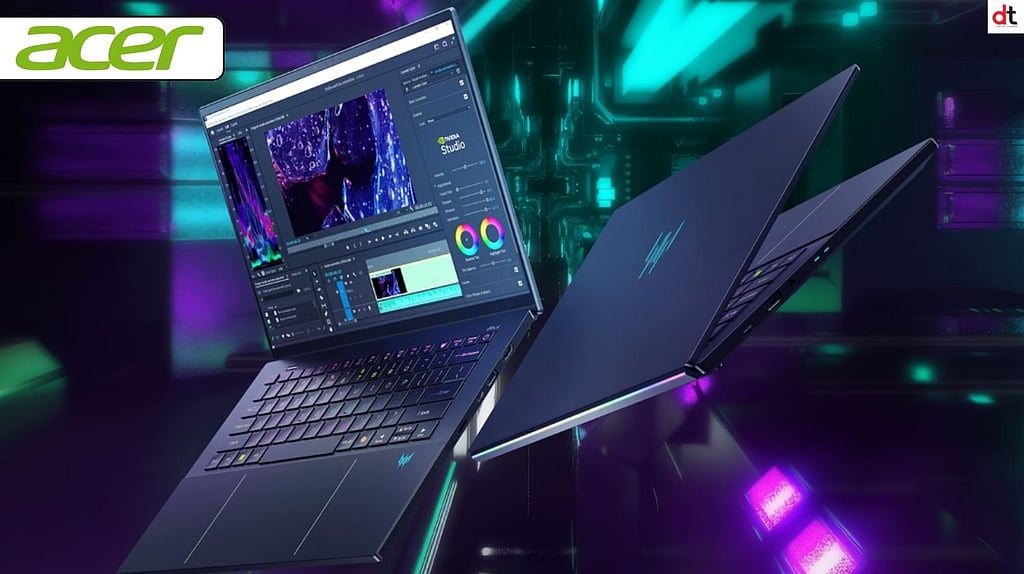
While the market is flooded with various laptop configurations, the move toward Snapdragon-based systems offers a distinct path for those prioritizing mobility. The Swift 14 AI, in particular, is positioned as a high-end option for users who want to stay ahead of the curve regarding software integration. As with all new hardware transitions, the software ecosystem is catching up, with developers increasingly optimizing their applications to run natively on the ARM architecture.
What This Means for the Average User
If you are considering an upgrade, it is helpful to understand the practical benefits of these new systems:
- Enhanced Battery Efficiency: The ARM-based architecture consumes less power for standard tasks compared to traditional processors.
- On-Device AI Acceleration: Tasks such as background blurring in video calls or advanced text summarization can be performed locally, often faster and more securely than when processed in the cloud.
- Improved Compatibility: Through emulation technology, these devices can run a vast majority of existing Windows applications, ensuring that your current software tools remain functional.
Looking Ahead: The Future of AI Integration
As we move through 2026, the focus for manufacturers like Acer will likely remain on refining the balance between AI performance and thermal management. The industry is currently in a phase of rapid adoption where software capabilities are being developed in tandem with the hardware. For consumers, this means that the value of these machines will likely increase over time as more software developers release updates optimized for NPU usage.

We expect to see further updates regarding the availability and specific configuration options for the broader Acer lineup in the coming months. As these devices make their way into retail channels such as Best Buy, consumers should keep an eye on official manufacturer announcements for the most accurate specifications and pricing updates. We will continue to track the performance of these Snapdragon-based machines as they move from the lab to real-world use.
Do you have questions about whether an AI-ready laptop is the right choice for your workflow? Share your thoughts in the comments below, and stay tuned for our upcoming hands-on reviews of the latest Acer hardware.
Keep reading