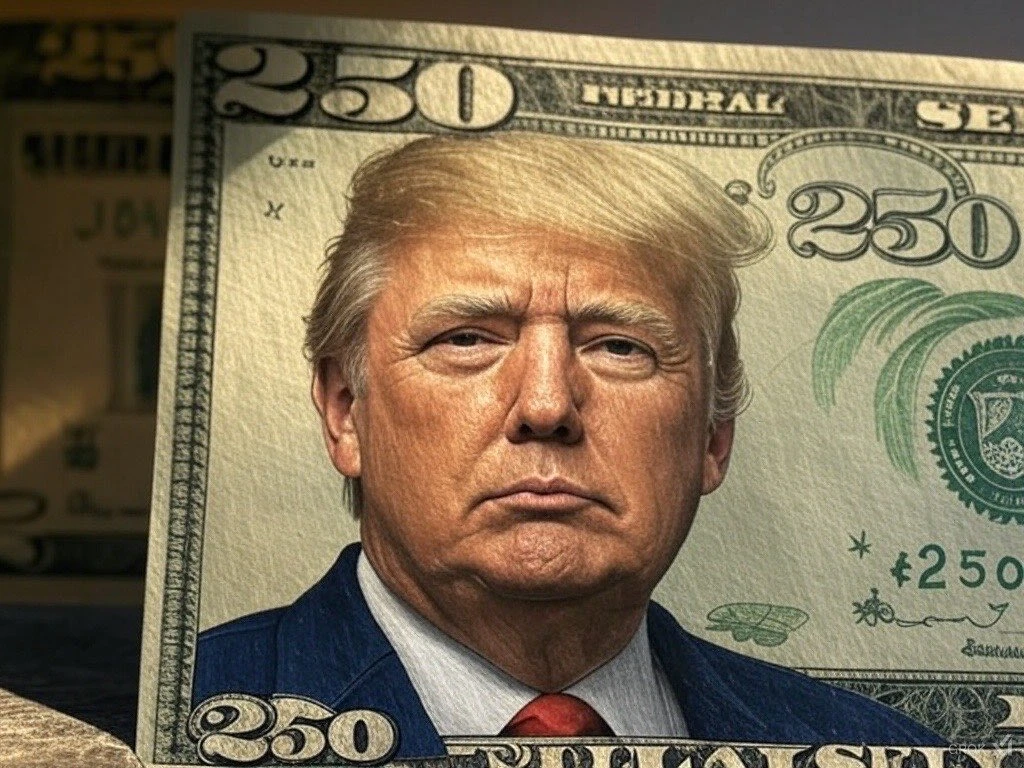
In the corridors of Washington, the intersection of political symbolism and federal fiscal policy has recently become a focal point of intense scrutiny. Reports have emerged suggesting that some of President-elect Donald Trump’s transition team members and appointees have explored the conceptual possibility of introducing a new $250 banknote featuring the former president’s portrait. While the notion of placing a political figure’s likeness on American currency is a topic that surfaces periodically in public discourse, any actual implementation of such a change would involve a rigorous, multi-layered regulatory process overseen by the U.S. Department of the Treasury and the Federal Reserve.
The United States currency system is governed by strict statutes, primarily managed by the Bureau of Engraving and Printing and the U.S. Mint. Under current federal law, the Secretary of the Treasury holds the authority to determine the design of U.S. Banknotes, but this power is exercised within a framework of long-standing historical precedent and legislative oversight. The process for redesigning currency—especially the introduction of a new denomination—is a substantial undertaking that requires coordination between the Treasury and the Federal Reserve Board of Governors, which maintains the primary responsibility for the distribution and circulation of Federal Reserve notes, as detailed in the Federal Reserve’s official currency guidelines.
Historical Precedent and the Currency Design Process
Historically, American paper currency has been reserved for figures of profound historical significance, typically those who have been deceased for a considerable period. The U.S. Treasury has traditionally adhered to a policy that discourages placing living individuals on banknotes, a practice intended to maintain the non-partisan integrity of the national currency. While the Secretary of the Treasury possesses the legal authority to approve designs, any departure from these established norms would likely face significant scrutiny from both the legislative branch and the public.
The logistical hurdles for creating a new denomination are equally formidable. According to documentation from the United States Mint, the development of new coinage or currency series—such as those currently planned for the nation’s 250th anniversary in 2026—requires years of planning, security testing, and public consultation. Introducing a $250 bill would necessitate a total overhaul of the current currency landscape, including adjustments to automated teller machines (ATMs), cash-handling equipment, and anti-counterfeiting measures, which are overseen by the Secret Service and the Treasury’s specialized bureaus.
The Regulatory Framework Governing U.S. Denominations
The authority to issue Federal Reserve notes is established under the Federal Reserve Act of 1913. Any change to the denominations currently in circulation—which range from the $1 to the $100 bill—would require a formal proposal and a comprehensive cost-benefit analysis. The Federal Reserve notes that the current denominations are sufficient for the economy’s needs, and any addition would require a significant justification regarding public utility and economic efficiency.
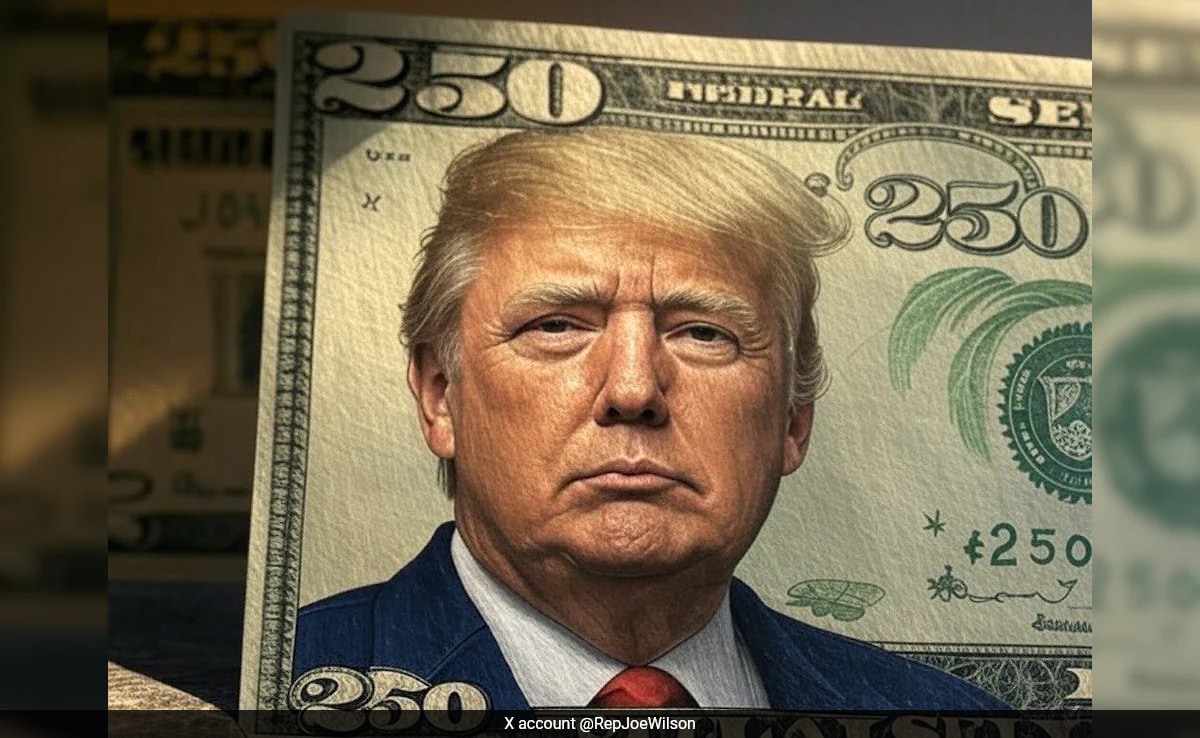
As of late 2024, there has been no official announcement or filing from the Treasury Department or the White House indicating that a $250 note is under active development. The discussions reported in various media outlets appear to remain in the conceptual or informal stage. For observers following the intersection of federal policy and commemorative initiatives, the primary source for official updates remains the U.S. Department of the Treasury press office, which publishes all formal decisions regarding currency design and fiscal policy.
Key Takeaways Regarding Currency Policy
- Legal Authority: The Secretary of the Treasury has the authority to approve currency designs, but must operate within existing federal statutes and historical conventions.
- Historical Norms: U.S. Currency typically features deceased historical figures; there is no recent precedent for placing a living president on a banknote.
- Logistical Requirements: Introducing a new denomination requires extensive infrastructure changes, including global upgrades to ATM and banking hardware.
- Official Channels: Any formal changes to U.S. Currency will be announced via official Treasury or Federal Reserve communications, not through informal transition discussions.
What Happens Next?
As the new administration prepares to take office, the focus remains on the confirmation of Cabinet-level officials and the setting of the legislative agenda for the next session of Congress. To date, there is no scheduled hearing or legislative proposal regarding the issuance of new denominations or changes to currency portraits. The public can monitor the official records of the United States Congress for any future legislation that might impact currency design or the commemorative program for the nation’s upcoming semi-quincentennial.

At World Today Journal, we remain committed to tracking these developments with accuracy and context. If you have thoughts on the evolution of American fiscal symbols or wish to share perspectives on how currency reflects national history, please feel free to contribute to the discussion in the comments section below. We will continue to provide updates as official information becomes available through the appropriate federal channels.
Keep reading
- Orlando: New Strategic Mobility Infrastructure Project Completed
- Canadians Spent $3.3 Billion Less on U.S. Travel in 2025 After Trump’s Return
- Late-Night Hosts Mock Trump’s Failed White House Correspondents’ Dinner Comedy (newsdirectory3.com)
- The Senate Blue Slip, Explained: The Custom Trump Wants Gone (daybreakwire.com)