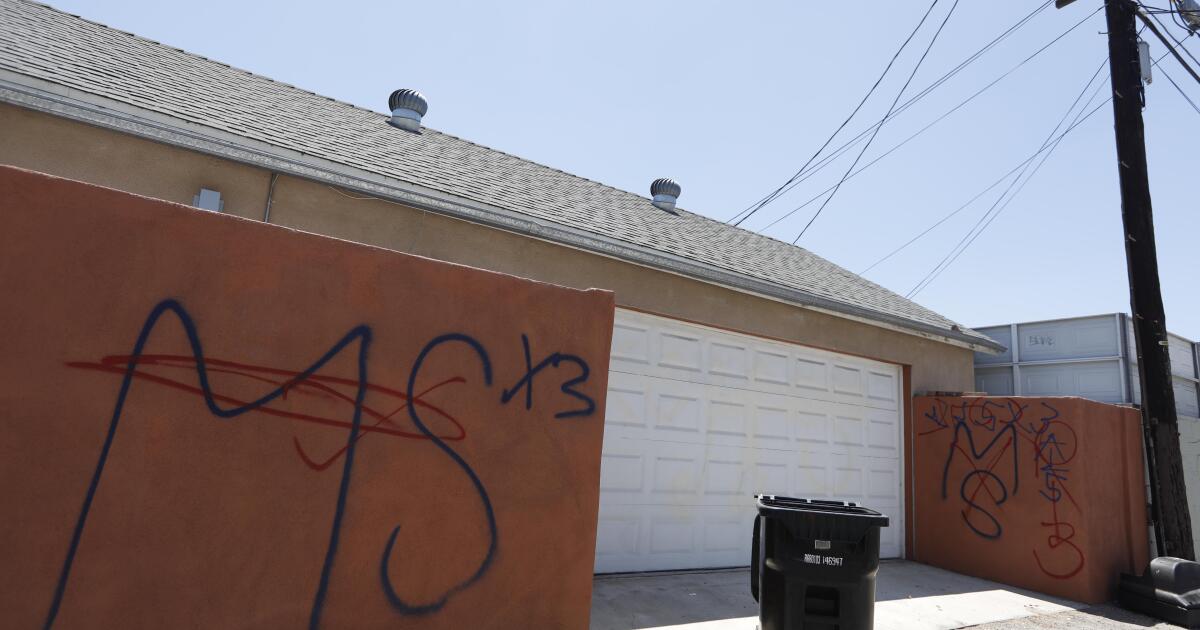
Federal prosecutors in Los Angeles have laid out a harrowing narrative in court, detailing how the transnational criminal organization MS-13 allegedly enforced a rigid, violent code of conduct that compelled aspiring members to commit murder to demonstrate their loyalty. The ongoing trial, which highlights the operational structure of the gang’s local cliques, centers on allegations that leaders mandated lethal violence—often involving machetes—as a prerequisite for advancement and standing within the organization.
As we examine these developments, it is essential to look at the broader context of how federal law enforcement agencies, including the Department of Justice, approach the prosecution of such organizations. These proceedings are not merely individual criminal cases but are part of a long-standing strategic effort by the U.S. Government to dismantle the hierarchical command structures of gangs through the Racketeer Influenced and Corrupt Organizations (RICO) Act. Understanding the mechanics of these trials requires a focus on the intersection of criminal law, gang culture, and the federal judicial process.
The Legal Framework of RICO Prosecutions
The prosecution of MS-13 members in California frequently relies on the Racketeer Influenced and Corrupt Organizations (RICO) Act, a powerful legal tool designed to combat organized crime. By categorizing the gang as an enterprise, prosecutors can link individual acts of violence—such as the murders described in the current trial—to the gang’s leadership and established “rules.” This allows the government to hold high-ranking members accountable for crimes they may not have personally committed but allegedly ordered or incentivized through the gang’s internal policies.
In the courtroom, federal attorneys must prove that the defendants participated in a pattern of racketeering activity. This often involves documenting how specific cliques operate under the broader umbrella of MS-13, a gang with deep historical roots in El Salvador. The U.S. Attorney’s Office for the Central District of California has previously secured multiple indictments that describe a systematic approach to violence, where local leaders oversee everything from territory control to the recruitment and training of new initiates.
Understanding the Organizational Structure
The term “Salvadoran rules” often cited in these proceedings refers to the internal disciplinary and operational code that governs the gang. From an economic and sociological perspective, these rules function as a mechanism for internal control and risk management. By requiring a “blood-in” initiation or periodic acts of violence, the leadership creates a high barrier to entry and exit, effectively binding members to the organization through shared criminal liability.
The Congressional Research Service has noted that MS-13’s structure is highly decentralized, yet it maintains a strong ideological and cultural connection to its origins. This structure poses a unique challenge for law enforcement, as the “rules” are often transmitted through oral tradition and personal interactions rather than written manuals. During trial testimony, witnesses—often former members cooperating with the government—provide the necessary insight into how these commands are issued and how the expectation of violence is maintained across different cliques.
The Impact of Federal Intervention
The ongoing trials serve as a critical checkpoint in the broader effort to suppress gang violence in Los Angeles and beyond. According to the Federal Bureau of Investigation (FBI), the agency remains committed to a multi-agency approach that coordinates local, state, and federal resources to dismantle these criminal networks. The significance of these cases lies in their potential to disrupt the leadership pipeline, effectively making it more difficult for new cliques to form or for existing ones to maintain order through violence.
For the communities affected, these trials are a somber reminder of the human cost associated with transnational gang activity. The judicial process, while often lengthy, provides a platform for the airing of evidence and the pursuit of accountability. It is a rigorous process defined by the strict standards of the U.S. Court system, where every defendant is afforded the right to a fair trial and the presumption of innocence until proven guilty beyond a reasonable doubt.
Key Considerations for the Public
- Legal Standards: The prosecution must prove that the violent acts were committed in furtherance of the gang’s enterprise.
- Witness Testimony: Cooperation from former gang members is frequently the cornerstone of the government’s case in these high-stakes trials.
- Broad Strategy: These individual trials are part of a larger, ongoing federal initiative to categorize and dismantle MS-13 as a criminal enterprise.
Next Steps in the Judicial Process
As the current trial progresses, the court will continue to hear testimony regarding the specific incidents of violence and the internal hierarchy of the gang. Observers and those interested in the outcome of these proceedings can monitor updates through the U.S. District Court for the Central District of California, which provides public access to case filings and scheduling information. The next phase of the trial will likely involve the defense’s presentation of evidence and the final arguments from both sides.

The complexity of these cases underscores the necessity of sustained, ethical reporting on the intersection of law and organized crime. As we continue to follow this trial, we remain committed to providing our readers with accurate, verified information regarding the proceedings. We invite our global audience to share their thoughts and engage in a respectful discussion regarding the impact of these criminal enterprises on international and local security.