In the corridors of Washington, discussions regarding the potential redesign of United States currency often ignite intense public debate. Recently, speculation has circulated concerning a hypothetical push to introduce a new $250 bill featuring the likeness of former President Donald Trump. As an international journalist who has spent over 14 years analyzing the intersection of geopolitics and national symbols, I find it essential to separate viral speculation from the rigorous, highly regulated processes that govern American legal tender.
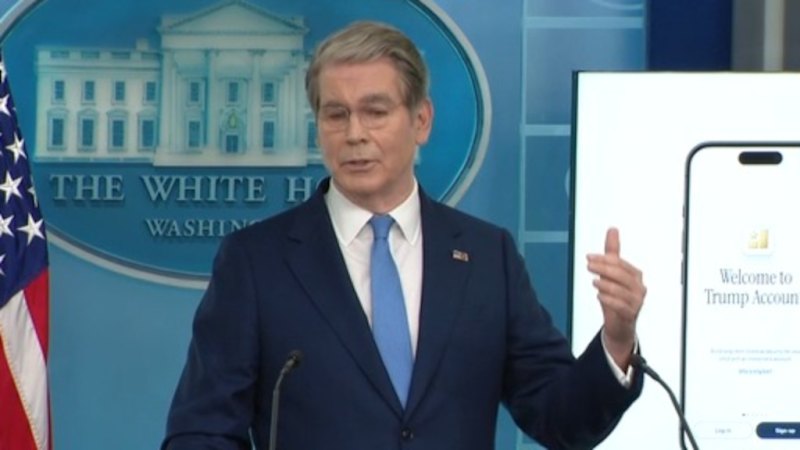
The U.S. Department of the Treasury, led by Secretary Scott Bessent, maintains strict oversight regarding the issuance and design of paper currency. To date, there has been no official announcement, legislative proposal, or departmental directive suggesting the creation of a $250 denomination or the inclusion of Donald Trump’s portrait on any new currency note. The process for changing the face of U.S. Money is a multi-layered endeavor requiring significant administrative and legislative consensus, rooted in the governing statutes of the Bureau of Engraving and Printing.
The Regulatory Framework of U.S. Currency
Understanding why such claims gain traction requires a look at how the United States manages its monetary system. The authority to issue currency is vested in the Federal Reserve, while the Bureau of Engraving and Printing (BEP) is responsible for the design and production. According to the Federal Reserve Board, the current denominations in circulation—$1, $2, $5, $10, $20, $50, and $100—have remained stable for decades. Any shift in this structure, particularly the introduction of a new denomination like a $250 bill, would require extensive feasibility studies, public input, and congressional oversight.

the selection of individuals for U.S. Currency is governed by long-standing customs and legal guidelines. Historically, the portraits on U.S. Banknotes are reserved for deceased figures who have played a foundational role in American history. While 31 U.S. Code § 5114 outlines the requirements for the production of currency, it does not explicitly ban living individuals, though the Treasury Department’s policy has historically precluded the use of portraits of living persons on all forms of government securities, including paper money and coins.
Fact-Checking the Narrative
The claim suggesting that Secretary Scott Bessent is actively pushing for a Trump-themed $250 bill lacks corroboration from official Treasury press releases, statements from the White House, or reports from credible news outlets. In the world of international finance and geopolitics, such a monumental change to the world’s primary reserve currency would be accompanied by massive regulatory filings and public debate in Congress.

When analyzing these reports, it is important to distinguish between social media-driven narratives and actual government policy. Often, these stories originate from satirical platforms or speculative blogs that mimic the style of legitimate news organizations. Without a formal announcement from the U.S. Department of the Treasury, any assertion regarding a new $250 bill should be viewed with extreme skepticism. As of this writing, there is no evidence that any such project is in development or under consideration by the current administration.
Key Takeaways on Currency Policy
- No Official Action: There is no verified evidence that the Treasury Department is designing or proposing a $250 bill.
- Historical Precedent: U.S. Currency tradition favors the depiction of deceased historical figures, not living political leaders.
- Legislative Hurdles: Introducing a new denomination requires significant bureaucratic approval and is not a unilateral decision by any single cabinet member.
- Verification Importance: Always rely on official .gov domains or established international news bureaus when assessing reports about changes to national financial systems.
What Happens Next?
For those interested in the future of U.S. Currency, the most reliable way to stay informed is to monitor the Bureau of Engraving and Printing website. They provide the most accurate information regarding design updates, such as the periodic redesigns of existing notes to incorporate advanced anti-counterfeiting features. Any change to the physical appearance of American money is announced well in advance to ensure the public and financial institutions are prepared.

As we continue to cover global affairs, I encourage our readers to remain critical of unverified reports circulating on digital platforms. The strength of the global economy relies on the stability and transparency of the institutions that manage it. If you have questions about this topic or other geopolitical developments, please feel free to share your thoughts in the comments section below. We value your engagement as we continue to provide balanced, fact-based reporting on the issues that shape our world.
Worth a look
- Denmark News: Teenagers Arrested for School Terror Plot and SAS Strike Threats
- Ukraine Drone Strikes Hit Russian Oil Refinery and Wildberries Logistics Center
- Shubman Gill Proposes Multi-Nation Tournaments to Save 50-Over Cricket (archyworldys.com)
- BP Q2 Profit Hits $5.7 Billion Amid Trump Criticism of Big Oil Windfalls (time.news)