
The anticipation surrounding high-stakes international football fixtures often transcends the boundaries of the pitch, deeply embedding itself into the cultural fabric of a club’s most dedicated supporters. For fans of Club Deportivo Universidad Católica, the buildup to a clash against Argentine giants Boca Juniors represents more than just a scheduled match; it is a manifestation of historical sporting rivalry and a test of regional supremacy within the South American football landscape.
As supporters prepare for these encounters, the atmosphere shifts from routine league competition to a heightened state of collective focus. This phenomenon is frequently documented through digital platforms, where fans share their preparations, ranging from organized travel logistics to the symbolic displays of loyalty that define the “cruzado” identity. The Copa Libertadores remains the primary stage where these narratives unfold, pitting the tactical discipline of Chilean football against the formidable pedigree of Argentine clubs.
The Cultural Significance of Continental Rivalries
The rivalry between Chilean and Argentine clubs is rooted in the broader history of the Copa Libertadores, a tournament that serves as the premier club competition in South America. For Universidad Católica, facing a side with the international stature of Boca Juniors requires a mobilization of both the team and its fan base. Supporters often view these matches as an opportunity to measure the growth of their institution against the most successful clubs on the continent.
The buildup is characterized by intense digital discourse and physical gatherings. Fans utilize social media to coordinate chants, organize caravans, and share historical footage of previous encounters. This digital ecosystem allows the club’s global community to participate in the pre-match rituals, regardless of their geographical distance from the stadium. The engagement metrics seen on platforms like Spotify and YouTube often spike during these periods, as fans seek out podcasts and video content that analyze team form, injury reports, and tactical projections.
Fan Engagement in the Digital Age
Modern fan culture has evolved to integrate digital media as a core component of the match-day experience. While traditional support remains anchored in the stadium, the “pre-match” has expanded into the virtual space. Supporters rely on official and independent channels to digest data-driven insights, which have become increasingly popular among younger demographics who appreciate the technical breakdown of a game.

This shift toward analytical consumption reflects a broader trend in sports media, where the “fan experience” now includes a deep-dive into the mechanics of the sport. Whether through audio commentary or long-form video essays, the goal is to build a narrative of confidence and defiance. By engaging with this content, fans of Universidad Católica create a sense of unity that persists throughout the grueling schedule of the Copa Libertadores group stages and knockout rounds.
Preparing for the Matchday Experience
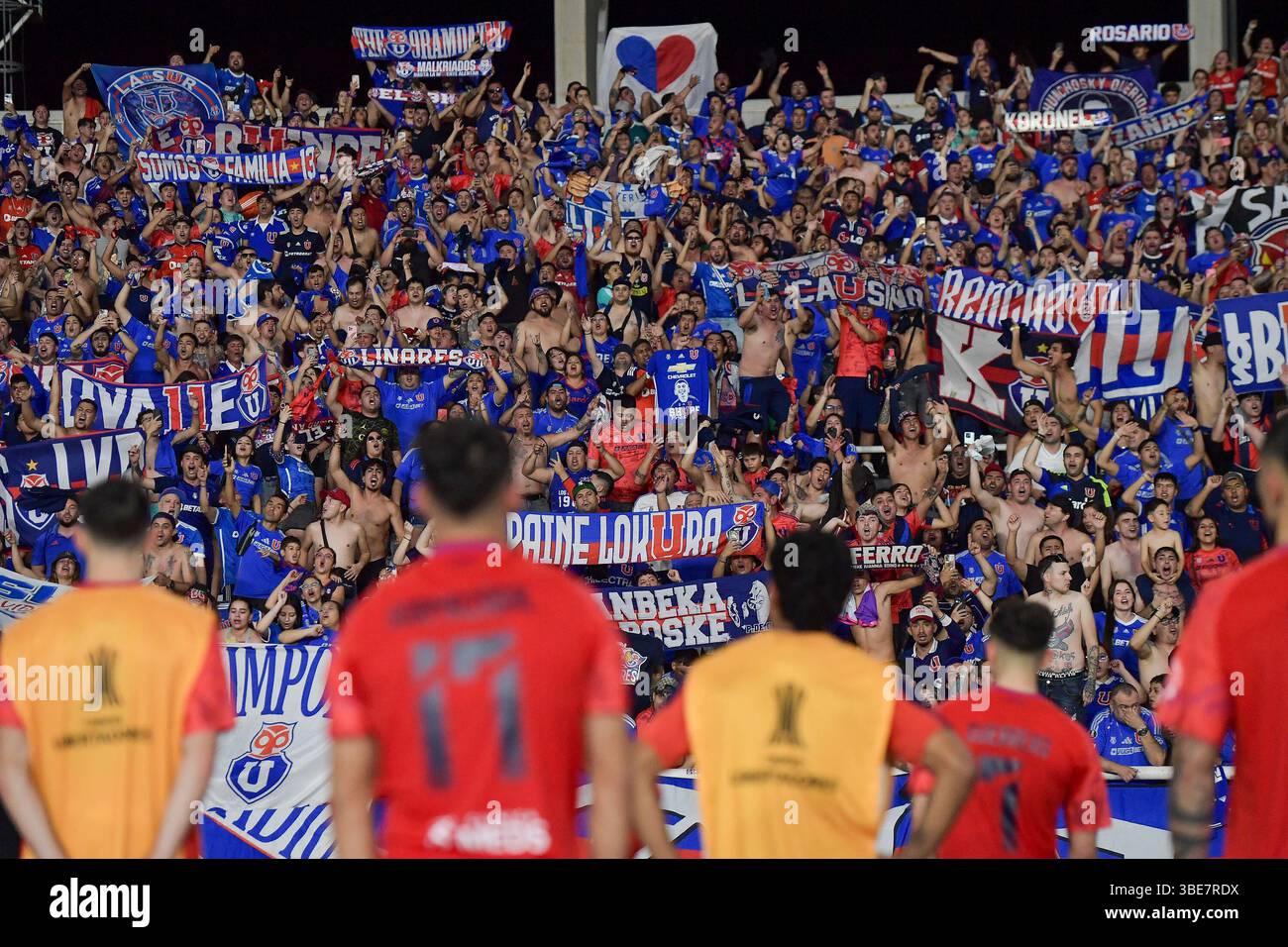
For those attending the matches, the preparations are meticulous. Coordination efforts often involve local supporters’ clubs, which manage the logistics of large-scale displays and travel arrangements. These groups are essential in maintaining the organizational structure that allows thousands of fans to act in concert during the match, creating the high-pressure environment that visiting teams like Boca Juniors must navigate.
The role of the supporter is not merely passive. Through the creation of banners, the coordination of musical performances, and the maintenance of a constant vocal presence, the fans act as an extension of the club’s strategic apparatus. This symbiotic relationship between the squad and the stands is what many consider the “home-field advantage” in its most potent form.
Key Factors in the Buildup
- Tactical Analysis: Fans increasingly utilize data-driven content to assess the strengths and weaknesses of the opposition.
- Digital Community: The use of social media and streaming platforms allows for a centralized hub of pre-match discussion.
- Historical Context: Drawing on past encounters in the Copa Libertadores to build psychological momentum.
- Logistical Coordination: The effort required to organize massive fan presence and in-stadium displays.
As the date of any potential matchup approaches, the focus remains on the specific conditions of the tournament. The Copa Libertadores operates under strict regulations set by CONMEBOL, which dictate everything from stadium safety standards to the timing of official press conferences. Fans are encouraged to follow official channels for updates regarding ticket sales, venue access, and any safety advisories issued by local authorities.
The next checkpoint for fans of Universidad Católica will be the official announcement of the tournament draw and the subsequent confirmation of match dates. Staying informed through verified sources remains the best way for supporters to navigate the complexities of international competition. We encourage our readers to share their own experiences and perspectives on how they prepare for these monumental clashes in the comments section below.