
In the evolving landscape of primary care, a significant point of contention has emerged regarding the future of the general practice (GP) contract. Doctors’ leaders are currently preparing to vote on a motion to block proposed changes to “Advice and Guidance” (A&. G) protocols, which would see these services become a core, mandatory requirement within the GP contract. This development highlights a growing friction between the medical profession and health policy architects regarding the distribution of clinical responsibility.
The core of the dispute centers on the nature of Advice and Guidance, a digital referral system designed to allow GPs to seek specialist input from hospital consultants before referring a patient for a formal outpatient appointment. While proponents of the system argue it improves patient outcomes by facilitating faster clinical decisions, critics—including representatives from the British Medical Association (BMA)—contend that mandating its use as a contractual obligation risks shifting the administrative and clinical burden from secondary care specialists to already overstretched GPs. The potential for uncertainty regarding medicolegal liability remains a primary concern for practitioners who fear that managing complex specialist queries without a formal referral may place them in a precarious professional position.
As we navigate these structural shifts in healthcare, it is essential for patients and practitioners alike to understand the implications of such policy changes. The decision to formalize A&G as a core contractual requirement is not merely an administrative update; it represents a fundamental change in how clinical pathways are managed across the National Health Service (NHS). According to the British Medical Association, the 2024/25 contract changes have already been a source of significant industrial unrest, with doctors seeking greater clarity on resource allocation and workload management.
The Mechanics of Advice and Guidance
Advice and Guidance is essentially a consultative interface. A GP submits a query via an electronic platform, and a consultant provides advice, often negating the need for a face-to-face hospital visit. On the surface, This represents an efficient use of medical resources. However, the move to make this a core requirement—meaning it would be an expected standard of practice rather than an optional tool—has triggered alarm bells among union representatives.
The primary concern is “work transfer.” If a consultant provides advice but the GP remains the clinician responsible for implementing that advice, the chain of medicolegal accountability becomes blurred. If a patient’s condition deteriorates based on an A&G recommendation, who holds the professional liability? Doctors are concerned that by formalizing this process, the system effectively offloads the diagnostic and management risk onto primary care providers. As noted by the NHS England guidance, while A&G is designed to support the “right care, first time,” the operational reality often involves significant time investment from the GP to synthesize specialist advice into a patient-facing treatment plan.
Medicolegal Risks and Professional Responsibility
The intersection of digital health policy and clinical indemnity is a complex area. When a GP manages a patient, the accountability for that patient’s care path generally rests with the practitioner. By making Advice and Guidance a core contract requirement, there is a legitimate fear that GPs will be expected to manage patients with higher acuity levels than they are equipped for, simply because a consultant has provided a brief electronic suggestion.
For doctors, the risk is not just clinical but legal. The Medical Defence Union (MDU) and other professional bodies have long emphasized that clear communication and documented responsibility are the foundations of safe medicine. If the contract mandates the use of A&G, the expectation of “competence” in acting upon that advice increases. Critics argue that this creates an environment where GPs are forced to function as generalists-turned-specialists without the corresponding support or time allocation.
Key Considerations for the Upcoming Vote
- Workload Impact: The administrative time required to navigate digital platforms and manage complex specialist responses.
- Clinical Safety: The potential for delayed diagnoses if A&G is used as a gatekeeping mechanism rather than a collaborative tool.
- Liability Clarity: The need for a robust framework that defines exactly where the consultant’s responsibility ends and the GP’s begins.
- Resource Parity: Ensuring that as work is transferred, funding and infrastructure support follow accordingly.
The Broader Context of GP Contract Negotiations
This vote takes place against the backdrop of broader negotiations between the BMA and the government regarding the future of general practice. The 2024/25 contract, which came into effect on April 1, 2024, has been subject to intense scrutiny, with many GPs feeling that the current funding model does not reflect the increasing complexity of patient care, as detailed in recent government policy updates. The move to mandate A&G is seen by many in the profession as an additional layer of pressure on a system already struggling with workforce retention and burnout.
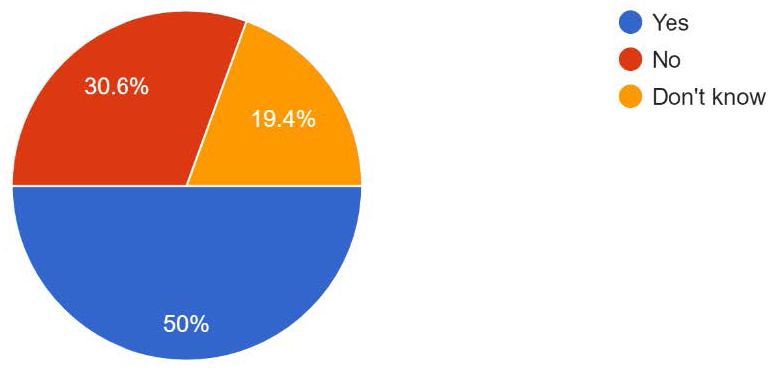
For the average reader, this might sound like a bureaucratic dispute, but the implications for patient care are significant. If GPs are successful in blocking this requirement, it could signal a return to more traditional referral pathways, potentially reducing the administrative burden on surgeries. Conversely, if the requirement stands, patients may see more “consultation-by-proxy,” where their GP manages their care based on digital specialist input. The outcome of the upcoming vote will likely be a bellwether for how the medical profession resists or accepts the digitization of clinical workflows.
Looking Ahead: What Happens Next?
The medical community is awaiting the results of the upcoming representative vote, which will determine the BMA’s formal stance on the contract changes. This decision will likely influence future negotiations and may lead to further calls for a renegotiation of the GP contract terms if the motion to block is passed. It is a critical moment that pits the drive for technological efficiency against the traditional, face-to-face model of medical consultation.
As this situation develops, I will continue to monitor the official communications from the BMA and the Department of Health and Social Care for any updates on the implementation of these contract clauses. For patients concerned about how their care might be impacted, it is always recommended to discuss any questions regarding referral pathways directly with your GP, who remains your primary advocate in navigating the health system. We will provide further analysis as the vote concludes and the next steps for the 2024/25 contract are finalized.
What are your thoughts on the digitization of specialist referrals? Does the convenience of Advice and Guidance outweigh the potential risks to clinical continuity? Share your insights in the comments section below.