
As commuters in South Jakarta navigated the aftermath of a significant infrastructure failure this week, local authorities have moved to address the structural collapse of a critical artery in Lenteng Agung. The incident, which caused localized traffic paralysis and raised immediate concerns regarding road maintenance standards, saw a section of the thoroughfare give way, creating a hazard for motorists and pedestrians alike.
The road collapse, which occurred on a primary route leading toward the Depok area, prompted an immediate response from the Jakarta Bina Marga Agency. As the city continues to grapple with the challenges of urban density and aging utility infrastructure, this event serves as a stark reminder of the complexities involved in maintaining metropolitan thoroughfares that support thousands of commuters daily. Understanding the root cause of this incident is essential for residents and regular travelers who rely on this corridor for their daily transit.
The Chronology of the Lenteng Agung Collapse
According to official statements provided by the Jakarta Bina Marga Agency, the structural failure was not an isolated or spontaneous event but rather the result of a long-standing issue beneath the road surface. The agency confirmed that the amblas—or subsidence—was primarily driven by the failure of an aging culvert drainage system that had been compromised over time. The persistent flow of water, coupled with the heavy load-bearing requirements of the road, eventually led to the erosion of the soil foundation, leaving a void beneath the asphalt that finally gave way under the weight of traffic.
The incident caused immediate logistical disruptions, particularly for those traveling from the Jakarta city center toward the satellite city of Depok. Local reports confirmed that the depth of the resulting cavity reached approximately three meters, necessitating an immediate suspension of traffic flow in the affected lanes. Emergency crews were dispatched to the site shortly after the collapse was reported, with initial efforts focused on securing the perimeter to prevent further incidents involving vehicles or pedestrians.
Infrastructure Vulnerability and Public Safety
The collapse in Lenteng Agung highlights the broader challenges facing the Jakarta Provincial Government in managing its subterranean utility networks. Many of the city’s drainage systems were installed decades ago and are now struggling to accommodate both increased population density and the shifting geological conditions of the region. The Indonesian Agency for Meteorology, Climatology, and Geophysics (BMKG) often emphasizes that high-intensity rainfall and soil saturation are significant contributors to ground instability in the Greater Jakarta area, particularly where drainage maintenance has been deferred.

For motorists, the event was a harrowing experience. Witnesses on the scene reported that at least one motorcyclist was caught in the initial sinkhole. Fortunately, emergency responders arrived on the scene quickly, and the individual was rescued without sustaining life-threatening injuries. Following the rescue, the focus shifted to immediate stabilization. The Bina Marga Agency deployed heavy equipment to fill the cavity with structural-grade sand and gravel, followed by a temporary asphalt patch to restore traffic flow as quickly as possible. However, officials have indicated that a more permanent reconstruction of the drainage system is necessary to prevent a recurrence of the subsidence in the same location.
What Happens Next for Commuters
While the immediate hazard has been mitigated, the Jakarta Bina Marga Agency has stated that they will be conducting a comprehensive inspection of surrounding road segments to identify any other potential weak points. This proactive approach is part of the city’s broader infrastructure maintenance mandate, which prioritizes the safety of major transit corridors. For commuters, this means that intermittent lane closures or construction activity may continue in the coming weeks as crews perform more permanent repairs on the culvert system.
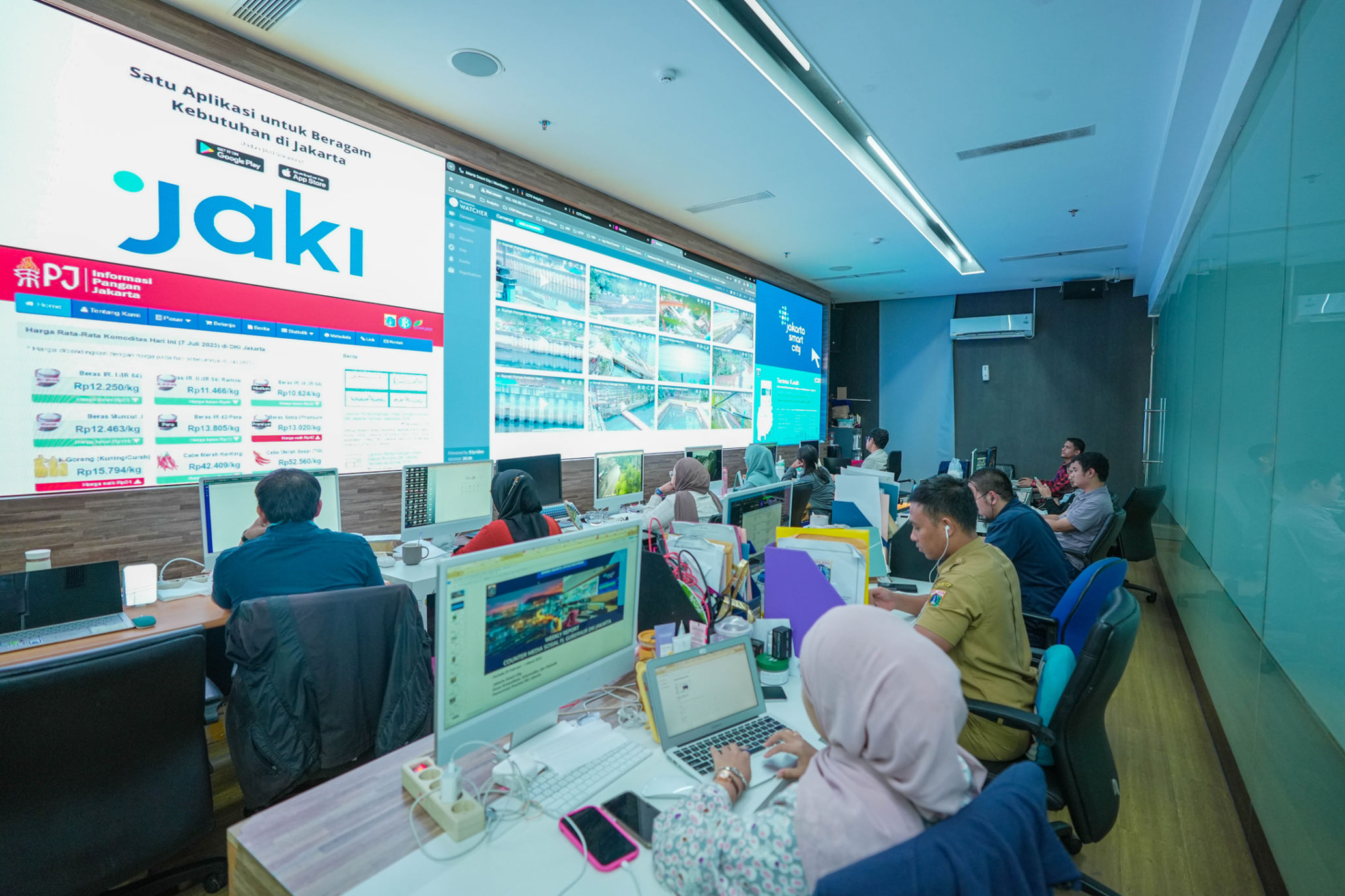
The Jakarta Transportation Agency (Dishub) continues to coordinate with local police to manage traffic flow during these repair phases. Residents and daily commuters are encouraged to monitor official updates through the city’s social media channels and the Jakarta Smart City portal for real-time information regarding road closures or alternative route suggestions. As the investigation into the specific failure points continues, the focus remains on ensuring that the structural integrity of the road is restored to meet modern safety standards.
Key Takeaways for the Public
- Cause of Subsidence: The primary cause has been identified as a failure in the underlying drainage culvert, which led to soil erosion and the eventual collapse of the road surface.
- Safety Status: The site has been secured, and the immediate danger to the public has been neutralized, though long-term repairs are ongoing.
- Traffic Impact: While major traffic blocks have been cleared, minor delays should be expected during the final phases of the infrastructure repair.
- Official Updates: Commuters are advised to rely on the official Jakarta Smart City website for the most accurate and up-to-date travel information.
As we continue to monitor this situation, the resilience of Jakarta’s infrastructure remains a top priority for city planners. We invite our readers to share their experiences regarding local road conditions and their thoughts on how the city should prioritize these essential repairs. Your local insights are invaluable in keeping our global community informed.
Jonathan Reed serves as the Editor of the News section at World Today Journal. With over 16 years of experience in investigative reporting, he provides in-depth analysis on international affairs and infrastructure developments.