
In the complex landscape of public health, few crises test the fabric of a community as severely as an Ebola outbreak. As a physician, I have spent years observing how infectious diseases do more than just challenge our immune systems; they challenge our social contracts. Recent reports of hostility directed toward medical facilities in regions affected by Ebola are not merely isolated incidents of unrest. They are profound indicators of a deep-seated crisis of trust, often rooted in the intersection of grief, cultural tradition, and the trauma of a high-mortality epidemic.
When we discuss why people attack Ebola clinics, we must move beyond the surface-level reports of civil unrest. At its core, the tension often stems from a fundamental disconnect between clinical containment strategies and the deeply held cultural practices surrounding death and mourning. The introduction of the “body bag” as a standard tool for safe, dignified, yet physically detached burials has, in many past outbreaks, served as a flashpoint for communal resistance.
The Anatomy of Distrust in Public Health
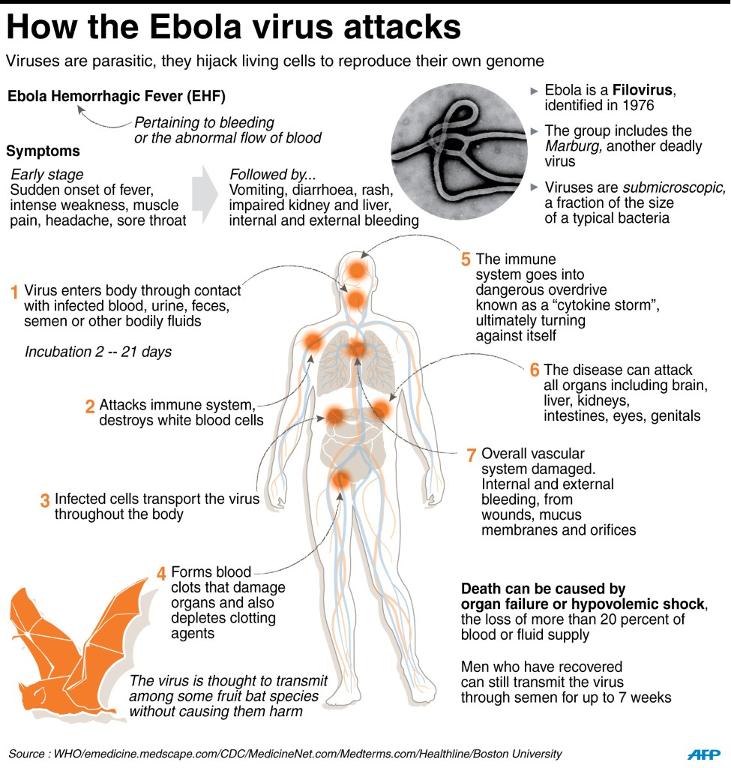
The Ebola virus, which causes severe hemorrhagic fever, remains one of the world’s most feared pathogens. According to the World Health Organization (WHO), the case fatality rate for Ebola Virus Disease (EVD) has varied significantly in past outbreaks, ranging from 25% to 90%. When a disease carries such a high mortality rate, the medical environment—specifically the isolation ward—can be perceived by the community not as a place of healing, but as a place where loved ones go to vanish. This perception is exacerbated when the rapid progression of the illness prevents families from providing the traditional care that is a pillar of many societies.
Distrust often flourishes in the vacuum left by inadequate communication. When local populations are not meaningfully engaged in the planning of response efforts, they may view international medical interventions with suspicion. This is particularly true in areas where healthcare infrastructure has historically been underfunded or absent. The sight of clinicians in full Personal Protective Equipment (PPE) can be alienating, stripping away the human connection that is essential for patient comfort and family reassurance.
Tradition, Mourning, and the “Body Bag” Dilemma
One of the most sensitive aspects of Ebola response is the management of human remains. In many cultures, the preparation of the body for burial is a sacred duty performed by family members. It is a final act of love and a requirement for the spiritual transition of the deceased. Ebola, however, remains highly infectious even after death. The Centers for Disease Control and Prevention (CDC) emphasizes that direct contact with the body of a person who has died from Ebola is a high-risk activity for transmission.

To mitigate this risk, health authorities mandate “safe and dignified burials.” While these protocols are scientifically necessary to prevent the spread of the virus, they often involve placing the deceased in sealed body bags and limiting the number of attendees at funerals. When families are denied the opportunity to wash or touch the body of their loved one, the resulting grief can be compounded by a sense of violation. This cultural clash is a recurring theme in outbreak response, as documented in various studies on the social dynamics of Ebola outbreaks in the Democratic Republic of the Congo.
Bridging the Gap: The Path Forward
Addressing the hostility toward medical missions requires a shift from a purely clinical approach to one that integrates social science and community partnership. We cannot combat a biological virus while ignoring the social virus of misinformation and fear. Experience from the 2014–2016 West Africa outbreak and subsequent events in Central Africa has shown that when community leaders, religious figures, and local healers are involved in the design of burial protocols, compliance increases significantly.
Efforts to humanize the clinical environment are also critical. This includes allowing families to speak with patients via video calls, providing transparent updates on patient status, and ensuring that burial teams are trained to perform their duties with the utmost respect for local customs, insofar as they do not risk further transmission. The goal must always be to align public health safety with the preservation of human dignity.
Key Takeaways for Global Health Response
- Community Engagement: Response strategies must be co-designed with local leaders to ensure cultural sensitivity and trust.
- Transparent Communication: Rapid, accurate information flow helps counter the rumors that often fuel hostility.
- Safe and Dignified Burials: Protocols must be adapted to allow for traditional mourning practices wherever safety can be maintained.
- Addressing Trauma: Recognizing that the fear of death and the loss of traditional rites are significant drivers of civil unrest.
As we monitor ongoing developments, it is essential for the global health community to prioritize the “human” in humanitarian aid. We must continue to look toward the WHO Disease Outbreak News for official updates and verified, real-time guidance on current containment strategies. The health of our global community depends not just on our laboratory capabilities, but on our ability to listen, adapt, and build trust in the places where it has been lost.
What are your thoughts on balancing public health mandates with cultural traditions? I encourage you to share your perspectives in the comments below as we continue to track these critical developments.
Worth a look