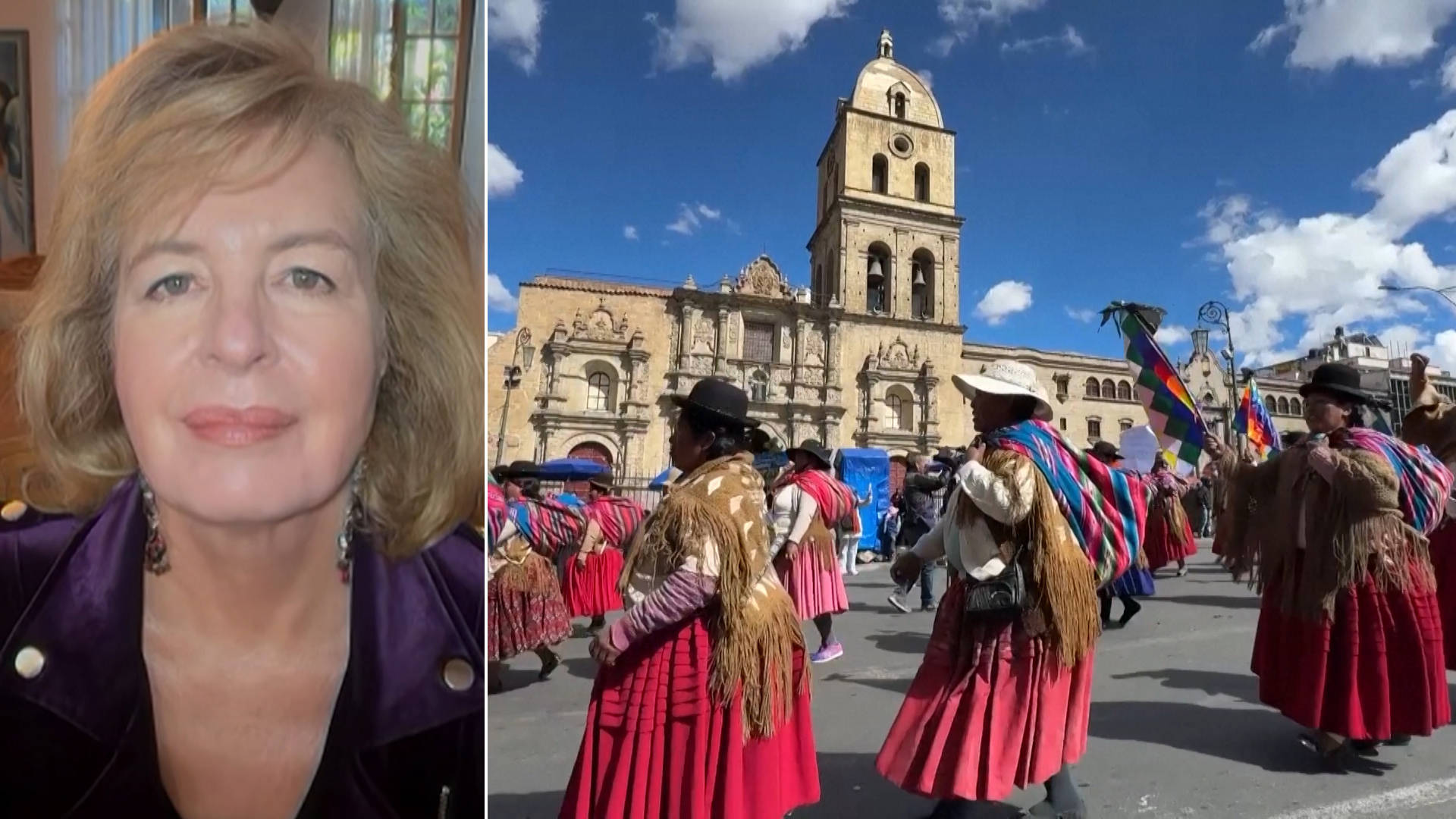
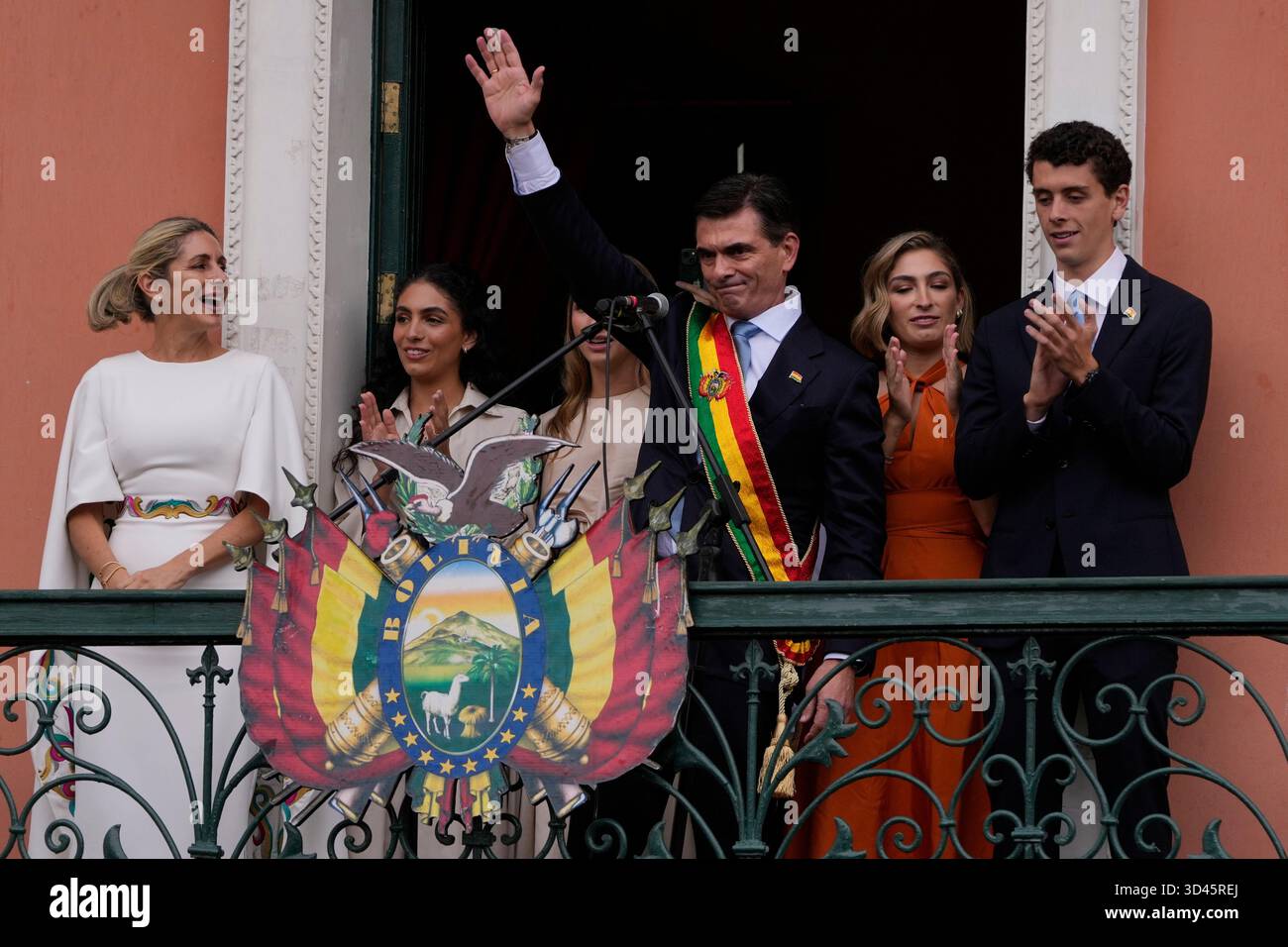
In the high-altitude streets of La Paz and across the rural heartlands of Bolivia, a wave of sustained civil unrest has crystallized into a direct challenge to the administration of President Rodrigo Paz. As the country grapples with a deepening economic crisis, thousands of demonstrators—led primarily by Indigenous organizations and rural labor unions—have taken to the streets to protest what they characterize as aggressive austerity measures that have disproportionately impacted the nation’s most vulnerable populations. The current mobilization, which has persisted for several weeks, marks a significant shift in the country’s political landscape, signaling a fracturing of the social contract that many citizens feel has been abandoned by the current executive branch.
The protests, which have seen major transit routes blocked and intermittent strikes in urban centers, center on the administration’s fiscal policy shifts since taking office in late 2025. Critics argue that the rapid implementation of spending cuts and the withdrawal of state subsidies have accelerated the cost-of-living crisis, pushing families to the brink of poverty. These anti-austerity protests have become a rallying point for those who feel that the current government’s policy agenda is disconnected from the day-to-day realities of the working class. The tension is compounded by a perceived lack of institutional dialogue between the government and the grassroots movements that have historically played a central role in Bolivian governance, according to analysts monitoring the regional political climate.
A Shift in Political Representation
At the core of the unrest is a fundamental disagreement regarding the direction of the state. For nearly two decades, Bolivia’s political system saw the integration of diverse Indigenous social movements into the formal decision-making process. However, the composition of the current cabinet has become a flashpoint for dissent. Observers note that the transition to a more traditional, elite-led executive structure has alienated large swaths of the electorate who previously felt represented by the state. This demographic divide is frequently cited by protest leaders as evidence of a government that prioritizes international fiscal alignment over domestic social stability.
Kathryn Ledebur, who serves as the director of the Andean Information Network in Cochabamba, suggests that the current crisis is exacerbated by a vacuum of empathy from the central government. “There is a huge break between what the administration promised and what has been delivered in practice,” she notes, emphasizing the frustration among rural communities that have seen their political influence wane. The lack of inclusive dialogue has meant that the government’s fiscal strategy is being implemented without the traditional consensus-building mechanisms that previously mitigated the impact of economic reforms on marginalized groups.
Economic Hardship and the Cost of Living
The economic data coming out of the region remains a primary driver of the instability. As the government attempts to stabilize the national treasury through austerity, the immediate result for many households has been a sharp increase in the price of basic commodities, including fuel and essential foodstuffs. For the rural population, which relies heavily on transport networks to bring agricultural goods to market, the combined effect of inflation and subsidy cuts has created a precarious financial environment. When families are forced to choose between basic nutrition and the rising costs of production, the political cost for the administration becomes unsustainable.

The International Monetary Fund (IMF) and other global financial monitors have often cautioned that without adequate social safety nets, austerity measures in developing economies can lead to significant civil unrest. In the case of Bolivia, the absence of these buffers has turned economic policy into a matter of existential survival for thousands of citizens. As World Bank reports have historically indicated, the stability of the Andean region is intrinsically linked to the government’s ability to manage commodity-dependent economies while maintaining public trust.
International Relations and the “War on Drugs”
Beyond domestic fiscal policy, the Paz administration has increasingly looked toward Washington to strengthen bilateral ties, a move that has drawn sharp criticism from domestic opponents. The government’s renewed cooperation with U.S. Agencies regarding regional security and drug interdiction efforts has been viewed by some as a pivot away from the regional autonomy that defined the previous era of Bolivian politics. Critics argue that this alignment serves foreign interests rather than addressing the root causes of economic instability, such as the need for agricultural development and infrastructure investment.
The U.S. Government, for its part, maintains that its security partnerships in Latin America are essential for regional stability and the disruption of illicit trafficking networks. However, for the protestors in Bolivia, this cooperation is seen as a continuation of policies that have historically prioritized military and police intervention over social development. As the administration deepens its involvement in these international security frameworks, the internal pressure to resign continues to mount, with protestors demanding a pivot back to a focus on local economic recovery and the restoration of social inclusion programs.
Key Takeaways from the Current Crisis
- The protests are primarily driven by the impact of recent austerity measures on the cost of living for rural and working-class families.
- Critics cite a lack of representation in the cabinet and a failure to engage with long-standing Indigenous social movements as primary causes for the breakdown in dialogue.
- The administration’s shift toward closer security cooperation with the U.S. Has intensified domestic opposition and concerns regarding national sovereignty.
- The situation remains fluid, with no immediate resolution in sight as both the government and protest leaders hold firm to their respective positions.
As of this writing, there have been no official announcements regarding a date for a formal negotiation or a transition in leadership. The situation continues to be monitored by international observers, including the Organization of American States (OAS), which has previously emphasized the need for peaceful resolution and respect for democratic institutions in the region. The next scheduled parliamentary session, which may address the budget and the ongoing civil unrest, remains the primary point of interest for those tracking the political trajectory of the country. We will continue to follow these developments as they unfold; please share your thoughts or observations in the comments section below.
