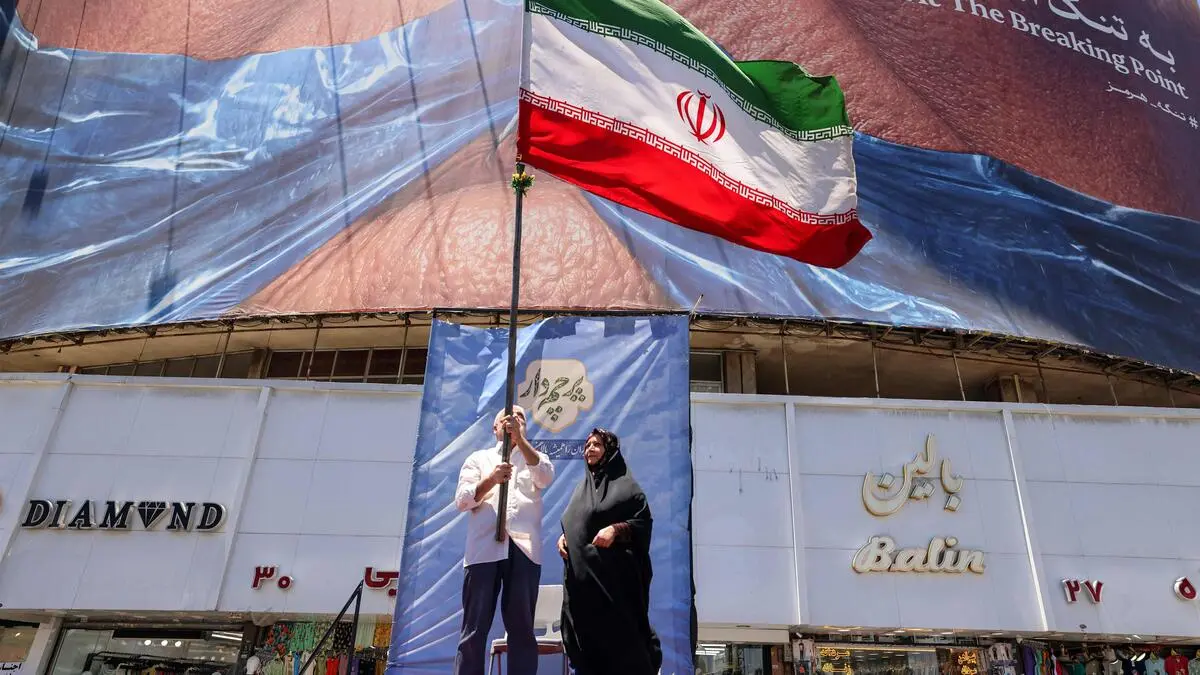
As the international community monitors the evolving geopolitical landscape, recent reports concerning potential diplomatic shifts between Washington and Tehran have sparked intense debate. The prospect of the United States easing long-standing economic blockades has dominated headlines, yet the reality remains complex, with both sides offering conflicting accounts regarding the progress of any preliminary agreements.
For those following the latest developments in US-Iran diplomatic relations, the situation serves as a stark reminder of the challenges inherent in high-stakes international negotiations. While discussions regarding a potential ceasefire or de-escalation are reportedly underway, the path toward a stable resolution remains fraught with diplomatic friction and fundamental disagreements over the scope of any proposed deal.
Navigating the Diplomatic Impasse
The current discourse centers on whether the administration is prepared to move toward a significant policy shift. Reports suggesting that the U.S. Might be considering the lifting of specific sanctions have been met with skepticism, particularly given the public contradictions from both American and Iranian officials. In diplomatic terms, this lack of alignment is often viewed as a signal that substantive progress remains elusive, even if back-channel communications are active.
According to official updates from the U.S. Department of State, the government maintains a policy of “maximum pressure” while remaining open to dialogue under specific conditions. However, the exact nature of these conditions is frequently debated, and the lack of a formal, public framework for a “deal” continues to leave regional observers and international markets in a state of uncertainty.
The Role of Strategic Communication
A recurring theme in this narrative is the role of public messaging. When officials—including key members of the U.S. Administration—suggest that progress is being made, the subsequent denials from Tehran highlight the volatility of these negotiations. For the global observer, this dynamic underscores that “progress” in a diplomatic sense does not necessarily equate to a finalized agreement or an immediate change in the status quo.
The complexity of these talks is further compounded by the involvement of various regional stakeholders who have their own security and economic interests. As noted in analyses by the Council on Foreign Relations, the interplay between domestic political pressures in both Washington and Tehran often dictates the tone of these public exchanges, regardless of what may be occurring during closed-door meetings.
Key Factors Influencing the Current Standoff
- Sanctions Policy: The impact of existing economic measures on the Iranian economy remains a central point of contention in any negotiation.
- Regional Security Concerns: The broader context of Middle Eastern stability continues to influence the willingness of both parties to make concessions.
- Public Narrative vs. Private Negotiation: The disconnect between optimistic statements from some officials and the reality on the ground highlights the fragile nature of current diplomatic efforts.
What Happens Next?
For those seeking clarity, it is essential to distinguish between official government policy statements and speculative reporting. The next confirmed checkpoint for these developments will likely emerge from scheduled briefings at the White House or through formal communiqués issued by the Iranian Ministry of Foreign Affairs. Until then, the situation remains fluid.
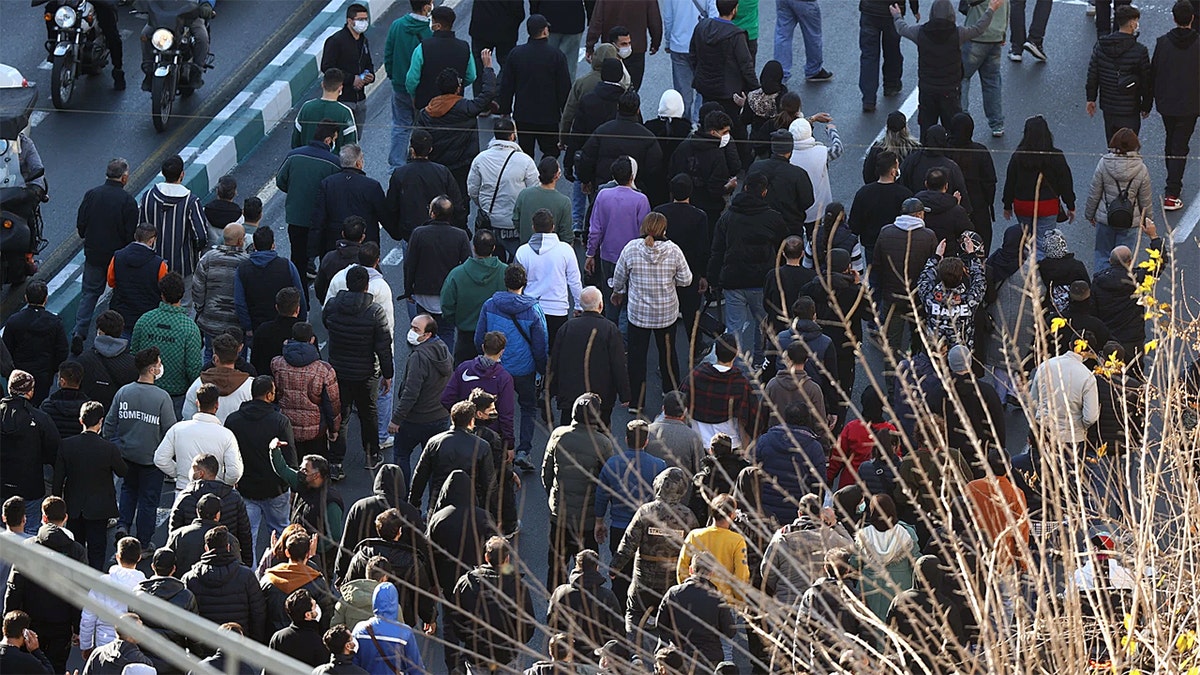
As we continue to track this story, we invite our readers to share their insights and observations. Understanding the nuances of international diplomacy requires careful attention to the details, and we remain committed to providing our global audience with verified, balanced, and authoritative analysis. Stay tuned to our World section for ongoing updates as more information becomes available.
- Fast-Moving Wildfire Destroys 230 Homes in Western Canada Indigenous Community
- Prince Louis’ Viral Moment: The Cute Behavior That Has the World Entertained
- Trump’s Former Lawyer Clears Key Hurdle for Attorney General Role (world-today-news.com)
- US and Qatar Report Progress on Iran Ceasefire and Hormuz Strait Reopening (time.news)