
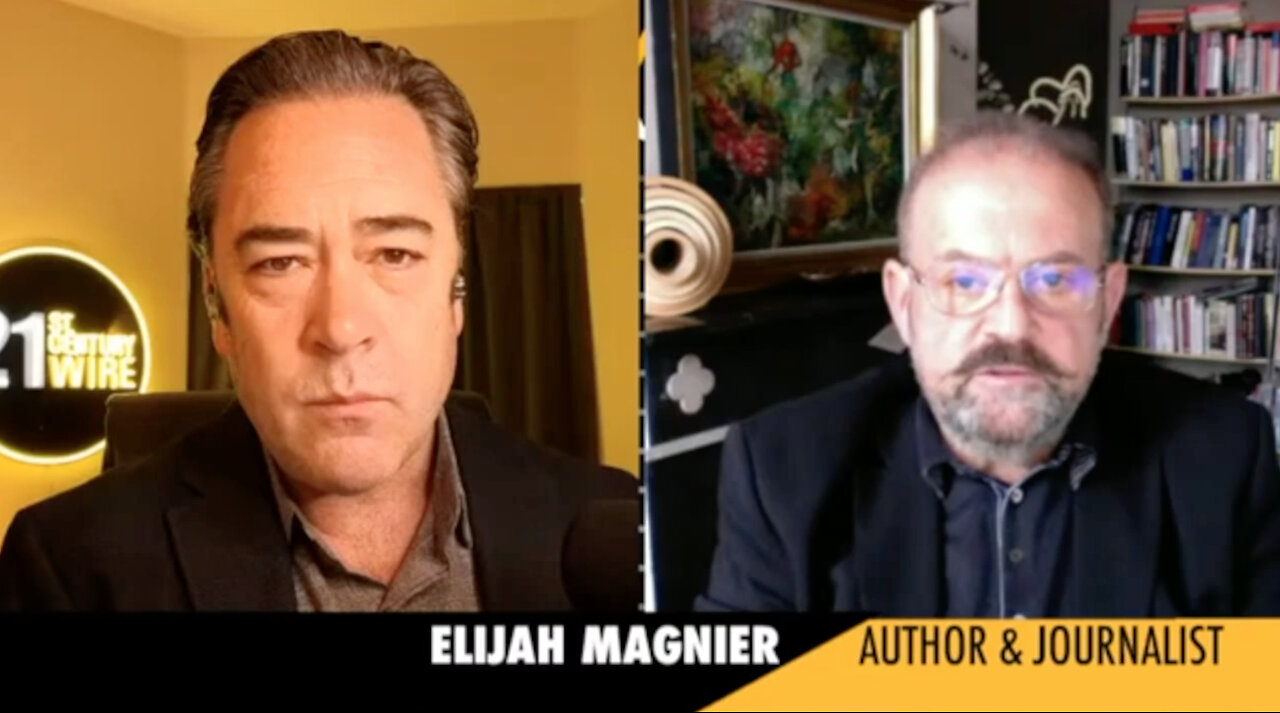
As the geopolitical landscape of West Asia faces an unprecedented period of volatility, the strategic implications of the ongoing conflict involving Iran, the United States, and Israel have become a focal point for international observers. The current climate of regional instability, characterized by shifting alliances and a profound erosion of long-standing security assumptions, has prompted experts to reassess the long-term trajectory of global power dynamics. Among those analyzing these developments is strategic analyst Elijah Magnier, who recently participated in an in-depth discussion regarding how this multifaceted conflict is reshaping regional influence and challenging the traditional reach of Western military and diplomatic frameworks.
The conversation, which took place in late May, centered on the strategic landscape following the escalation of hostilities that began in early 2024. Observers note that the conflict has not only tested the resilience of military infrastructures but has also highlighted a growing “trust deficit” between regional powers and their international partners. As the situation continues to evolve, the discourse has shifted toward whether conventional diplomatic frameworks remain viable in a region currently undergoing a significant, and perhaps irreversible, strategic recalibration.
For those tracking the latest developments, the conversation provides a window into the complex interplay of regional resilience and the limits of power projection. You can access the full record of the discussion via these platforms:
The Limits of Conventional Diplomacy and the Trust Deficit
A central theme in recent expert analysis is the instability of current ceasefire frameworks. Diplomats and analysts have long noted the difficulty of maintaining de-escalation agreements in an environment where previous commitments have frequently been challenged or abandoned. In the current context, the skepticism surrounding a durable peace deal is driven by concerns over political consistency in Washington and the ongoing operational activities of Israeli forces in Lebanon, and Gaza. According to the United Nations Office for the Coordination of Humanitarian Affairs (OCHA), the humanitarian impact and the breakdown of various de-escalation efforts have created a climate where diplomatic initiatives are viewed with significant caution by regional stakeholders. Read the latest updates on the humanitarian situation in the region via OCHA.
The core of the issue, as framed by many regional analysts, is that the current diplomatic efforts are often perceived as “negotiable paper” rather than binding commitments. This perception is exacerbated by the lack of a unified mechanism to ensure that agreements are upheld across all fronts. Without a synchronized approach to de-escalation, the potential for a lasting resolution remains trapped in a cycle of sporadic conflict and intermittent, often fragile, pauses in fighting.
Resilience and Operational Redundancy
The conflict has also shed light on the structural resilience of Iranian military and political systems. Observers have noted that, contrary to earlier Western assessments that often anticipated a rapid collapse of command structures under sustained pressure, the Iranian establishment has demonstrated a capacity for adaptation. This resilience is often attributed to a decentralized command structure designed to withstand significant losses while maintaining operational continuity.
Military analysts frequently point to the concept of “redundancy” within Iran’s defense strategy. By distributing command and control capabilities, the system ensures that the removal of individual commanders or the destruction of specific facilities does not result in a total loss of strategic functionality. This design philosophy has forced a re-evaluation of how external powers approach deterrence. The ability to maintain an operational posture despite external military strikes has become a defining feature of the current conflict, forcing a shift in how regional security is calculated by both allies and adversaries.
Regional Realignment and the Decline of Hegemony
Perhaps the most significant long-term consequence of the ongoing war is the accelerated push for regional states to diversify their strategic partnerships. The realization that reliance on a single security guarantor—primarily the United States—may be insufficient in the face of evolving regional threats has prompted a pivot toward a more multi-polar approach. This shift is increasingly evident in the strengthened ties between Gulf Arab states, Turkey, Pakistan, and China.
The economic dimensions of this realignment are equally critical. The trend toward de-dollarization and the expansion of trade agreements with non-Western powers indicate a broader move to insulate regional economies from the impact of international sanctions and Western-led financial policies. As China continues to expand its diplomatic and economic footprint in West Asia, the role of Beijing as a mediator and strategic partner has grown, offering an alternative to the traditional security umbrella provided by Washington.
This strategic recalibration is not merely a reaction to current events but a long-term adjustment to a changing global order. With China closely observing the effectiveness of U.S. Military tactics and the resilience of regional actors, the conflict serves as a live testing ground for the future of global power projection. The consensus among many analysts is that the era of unchallenged regional hegemony is giving way to a more complex, fragmented, and competitive environment.
Looking Ahead: The Future of West Asian Security
The consequences of the U.S.-Israeli conflict with Iran are expected to reverberate for years, if not decades. By redrawing the boundaries of deterrence and alliance reliability, the conflict has fundamentally altered the strategic calculus for every nation in the region. As we look toward the future, the focus will likely remain on whether these new, more diversified partnerships can provide the stability that conventional military alliances have struggled to maintain.

For those interested in the official record of these events, information is available through various international bodies and diplomatic archives. Future updates on the status of regional agreements and the progress of ongoing peace initiatives will be provided as they emerge from official channels. Stay informed by monitoring the United Nations regional reports, which provide ongoing documentation of the security and humanitarian conditions on the ground.
We encourage our readers to participate in the conversation by sharing their perspectives on these complex geopolitical shifts. What do you believe will be the most significant long-term impact on global influence in the coming decade? Share your thoughts in the comments below.
Worth a look