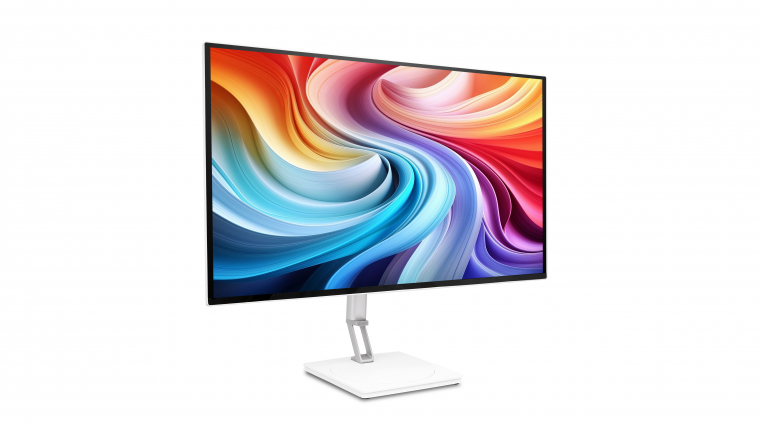
The landscape of high-performance gaming hardware is undergoing a rapid evolution, with manufacturers aggressively pushing the boundaries of display technology. Recent industry movements suggest a shift toward ultra-high refresh rate panels and advanced display architectures, as major players like Acer and LG compete to define the next generation of visual fidelity and motion clarity for gamers and professionals alike.
For enthusiasts, the pursuit of the “ultimate” gaming monitor has largely centered on the trade-off between resolution and refresh rate. However, the latest hardware announcements indicate that this compromise is narrowing. As display manufacturers integrate sophisticated technologies such as QD-OLED and high-frequency backlighting, the market is seeing a push toward native 1000 Hz refresh rates, a milestone that was largely considered experimental only a few years ago.
The Shift Toward Ultra-High Refresh Rates
The push for higher refresh rates is driven by the demand for reduced motion blur and lower input latency. While 144 Hz was once the gold standard for competitive gaming, the industry has rapidly transitioned to 240 Hz, 360 Hz, and now, the introduction of 1000 Hz panels. These extreme refresh rates aim to provide a near-instantaneous visual update, which is particularly relevant in competitive eSports where every millisecond of latency can influence performance.

According to official product specifications from leading display manufacturers, achieving such high refresh rates requires significant advancements in panel drive technology and signal processing. LG, for instance, has been vocal about its development of high-refresh-rate FHD (Full High Definition) panels, focusing on maintaining color accuracy and brightness while driving the liquid crystals at unprecedented speeds.
Advancements in Panel Technology: QD-OLED and Beyond
Beyond raw refresh rates, the integration of QD-OLED (Quantum Dot Organic Light Emitting Diode) technology represents a significant leap in image quality. Unlike traditional LED-backlit LCDs, QD-OLED panels offer individual pixel-level dimming, which results in infinite contrast ratios and deeper blacks. When combined with the high-speed nature of modern gaming, these panels provide a distinct advantage in both immersion and clarity.
Acer has recently focused on expanding its portfolio to include these advanced panel types, targeting a broad spectrum of users ranging from competitive gamers to creative professionals who require color-critical performance. By diversifying their lineup to include both specialized monitors and high-lumen projectors, the company is positioning itself to capture different segments of the visual hardware market.
What This Means for the Consumer
For the average user, the influx of high-frequency displays creates a more diverse marketplace. However, We see essential to distinguish between marketing milestones and practical utility. While a 1000 Hz monitor offers theoretical advantages in motion clarity, the benefits are often subject to diminishing returns once a user moves beyond the 240 Hz or 360 Hz threshold. Achieving these frame rates necessitates powerful GPU hardware and optimized software pipelines.
Before investing in the latest display technology, consumers should consider the following factors:
- System Compatibility: Ensure your graphics card and connection cables (such as DisplayPort 2.1) can support the high bandwidth required for ultra-high refresh rates.
- Resolution vs. Speed: Higher refresh rates often come at the cost of resolution. Determine whether your use case favors pixel density (4K) or motion smoothness (1080p/1440p).
- Panel Lifespan: OLED and QD-OLED technologies, while superior in image quality, require proper care to prevent image retention or “burn-in” over extended periods of static use.
Looking Ahead
The rapid pace of innovation in the display industry shows no signs of slowing down. As we look toward the remainder of 2026, we expect to see more third-party reviews and real-world testing of these 1000 Hz units. The industry is currently moving toward a standard where high-performance features are no longer exclusive to the ultra-premium tier, potentially democratizing access to high-fidelity gaming experiences.
The next major checkpoint for these technologies will likely occur during upcoming international trade shows where manufacturers often reveal their production roadmaps for the following year. As always, I recommend that readers monitor official company press releases and independent hardware benchmarks before making significant hardware investments.
What are your thoughts on the push toward 1000 Hz displays? Do you prioritize refresh rate over resolution, or is the current standard sufficient for your needs? Share your experiences in the comments below.
Keep reading