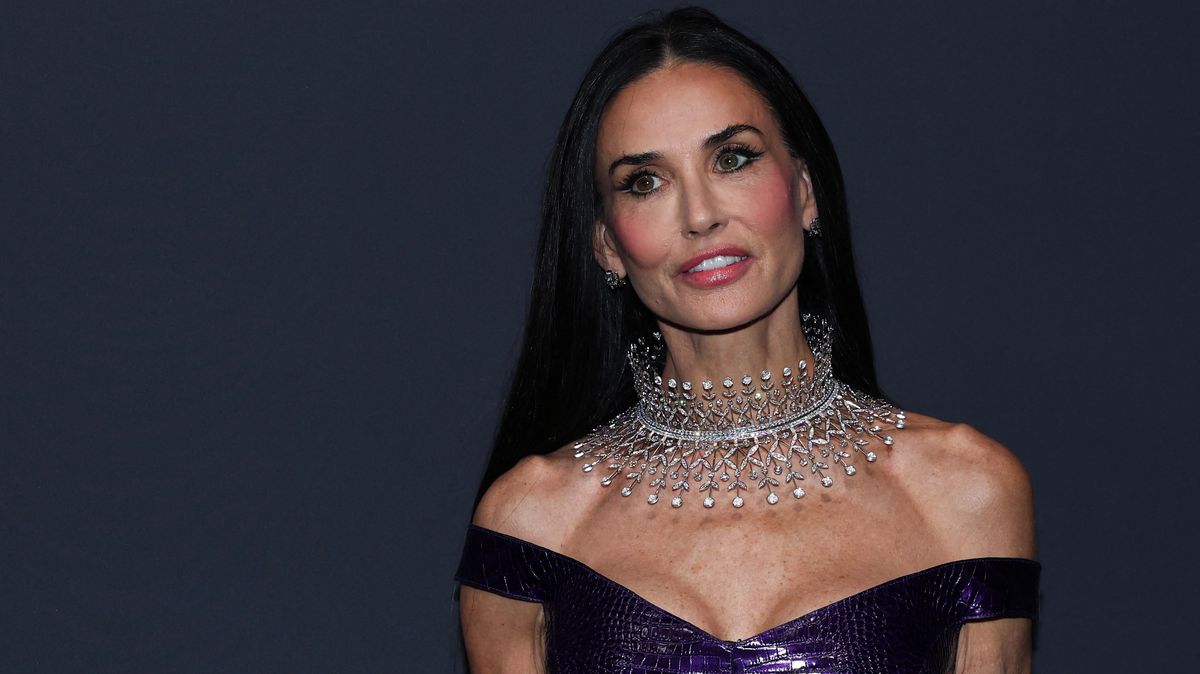
In the world of cinema, where the boundaries of imagination are constantly pushed, a curious demographic imbalance has surfaced in recent research. A comprehensive analysis of modern film narratives has revealed that talking animals appear on screen more frequently than women over the age of 50. This finding, which highlights persistent inequities in character development and representation, has sparked a broader conversation about how the entertainment industry values aging and gender within its storytelling frameworks.
As a sports editor, I often observe how narratives are constructed around athletes—how we celebrate the veteran who defies time and the newcomer who breaks records. Yet, when we shift our gaze to the silver screen, the narrative arc for women appears to narrow significantly as they age. The data suggests that the film industry’s reliance on specific tropes often leaves older women sidelined, while anthropomorphized creatures are given prominent, vocal roles that drive the plot forward.
This study, conducted by the Geena Davis Institute on Gender in Media, utilized advanced data analysis to examine thousands of film scripts and visual outputs. By tracking the frequency and nature of speaking roles, the researchers quantified what many viewers have long suspected: that the “aging” woman is an endangered species in mainstream cinematic storytelling, whereas the “talking animal” is a staple of studio-backed production.
The Data Behind the Disparity
The institute’s findings are rooted in a rigorous methodology that audited top-grossing films to determine the prevalence of various character archetypes. According to the Geena Davis Institute’s comprehensive research reports, the disparity is not merely a subjective observation but a measurable trend. When analyzing speaking time and character agency, the data consistently shows that characters categorized as “older women” are statistically less likely to be given lines compared to their non-human, vocal counterparts.


Why does this matter in the broader cultural context? In sports, we talk about the “longevity” of a career, often treating an athlete’s experience as an asset. In cinema, however, the research indicates that age is often treated as a liability for female characters. This creates a feedback loop where audiences are rarely exposed to stories that feature the complex, nuanced experiences of women in their later years, further cementing the industry’s reliance on younger archetypes.
The study also points to the “glass ceiling” of character development. While a talking animal is often imbued with personality, humor, and purpose, an older woman in a similar script might be relegated to a background role with minimal dialogue. This systematic exclusion limits the scope of human experience portrayed in film, effectively narrowing the mirror that art is meant to hold up to society.
Cultural Impact and the “Ageism” Factor
Ageism in Hollywood is a well-documented phenomenon, yet quantifying it against the prevalence of CGI creatures provides a stark illustration of the industry’s priorities. The UCLA Hollywood Diversity Report has frequently noted that while progress is being made in terms of gender parity in leading roles, the intersection of age and gender remains a significant hurdle. When women reach the age of 50, their visibility in high-profile films drops precipitously, according to findings cited by industry analysts.
This is not just about screen time; it is about the “voice” of the character. When the industry opts for a talking animal over an older woman, it is making an editorial choice about what the audience finds “marketable” or “engaging.” This choice reinforces a narrow definition of relevance. By prioritizing characters that conform to traditional, often youthful, beauty standards—or opting for non-human characters that carry no such baggage—studios are effectively silencing a vital demographic.
For those of us who believe that cinema should reflect the richness of the human condition, this data serves as a call to action. Representation matters not just for the sake of diversity, but for the sake of authenticity. If our stories only feature the young or the fantastical, we lose the wisdom, conflict, and depth that come with the passage of time.
What the Industry Can Do Next
The conversation surrounding this study is already beginning to influence industry discourse. Major studios are under increasing pressure from organizations like the SAG-AFTRA to adopt more inclusive casting practices that recognize the value of experienced actors. The goal is not to eliminate the talking animal—a staple of family-friendly entertainment—but to ensure that the human experience is represented with the breadth it deserves.
Practical steps suggested by advocates include:
- Increased transparency in casting data: Tracking age and gender demographics in script development.
- Investment in diverse screenwriting rooms: Encouraging narratives that feature multi-generational female leads.
- Challenging internal biases: Recognizing that the “marketability” of youth is a manufactured construct, not a natural law of cinema.
As we look toward the upcoming awards season and the announcement of new production slates, we should be watching for whether studios internalize these findings. Will we see a shift in the types of stories being greenlit, or will the trend of the “talking animal over the aging woman” persist? The data is clear, and the demand for change is growing.
The next major checkpoint for this issue will be the release of the annual UCLA Hollywood Diversity Report, which will provide updated metrics on hiring and character representation. As we continue to track these developments, I encourage our readers to share their thoughts on the films that have challenged these norms. Have you seen a shift in the stories being told? Let’s keep the conversation going in the comments below.
Worth a look