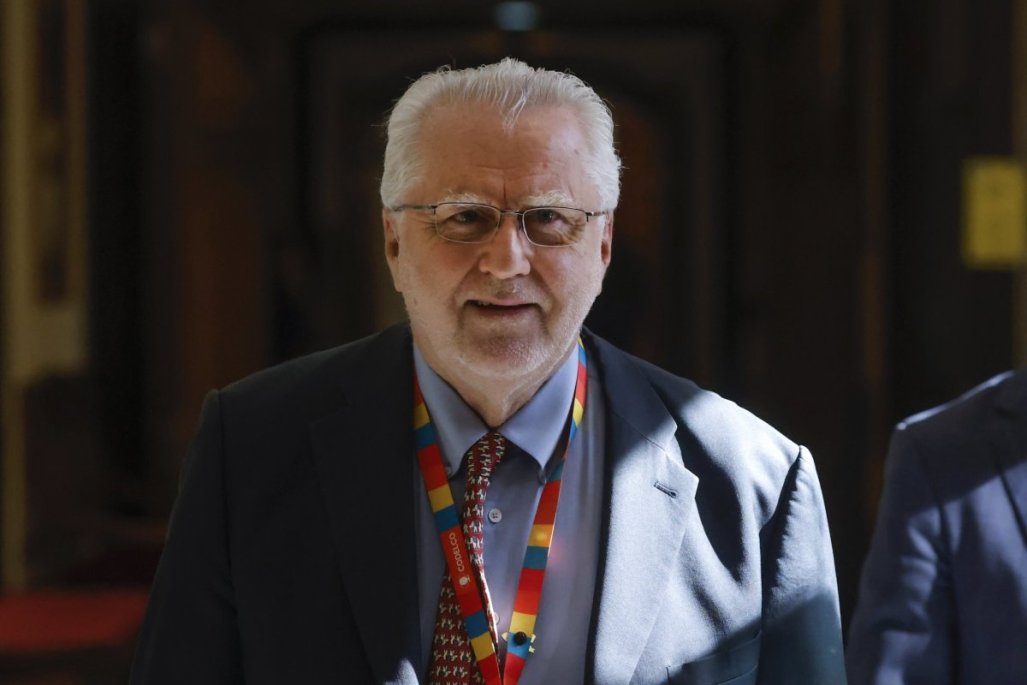
In the landscape of Chilean industrial leadership, few figures command as much attention as Máximo Pacheco. As the current Chairman of the Board of Codelco—the world’s largest copper producer—Pacheco has spent the last several years navigating the complexities of state-owned mining, global supply chains, and the ambitious transition toward sustainable mineral extraction. However, recent developments suggest that his professional focus is expanding beyond the high-stakes environment of copper pits and boardrooms, pointing toward a deepening engagement with Chile’s vital agricultural sector.
For those tracking the trajectory of Chile’s economic policy, the shift from Codelco to the fields represents more than a personal pivot; it signals a broader interest in how the nation’s foundational industries can leverage cross-sector expertise to drive productivity. Pacheco, who previously served as Chile’s Minister of Energy between 2014 and 2016, has built a career on the intersection of public service and private enterprise. His current transition toward agricultural initiatives highlights a strategic interest in regional development and the modernization of rural land use, a move that observers argue could have significant implications for Chile’s export-oriented economy.
The transition of prominent figures like Máximo Pacheco into agricultural investment and development is a trend that warrants close examination. As global markets fluctuate, the resilience of the agricultural sector becomes increasingly important for national economic stability. According to data from the Central Bank of Chile, the mining sector remains the primary engine of the national economy, but the diversification of leadership expertise into agribusiness suggests a strategic hedge against commodity volatility and an effort to capitalize on the growing demand for sustainable food production.
Strategic Leadership in Complex Sectors
Máximo Pacheco’s tenure at Codelco has been defined by a focus on operational efficiency and the difficult task of stabilizing production levels. As the Corporación Nacional del Cobre de Chile faces the dual pressures of aging deposits and the necessity for massive capital expenditure to maintain output, Pacheco has been a central figure in managing these institutional challenges. His leadership style, characterized by a pragmatic approach to industrial relations and a focus on long-term sustainability, is now being observed in the context of his private interests in the rural sector.
The move to the field is not an abandonment of his industrial roots, but rather an evolution of his professional portfolio. By applying the same rigorous analysis of logistics, resource management, and sustainability that he championed at Codelco to the agricultural sector, Pacheco is positioning himself within a narrative of “productive diversification.” This approach is particularly relevant as Chile faces ongoing climate challenges, including prolonged drought conditions that have necessitated significant changes in water management and irrigation technology across the country’s central and northern regions.
The integration of advanced technology—often referred to as “AgTech”—is a primary driver for investors looking to modernize traditional farming. Pacheco’s background in the energy sector provides him with a unique vantage point on the electrification of agriculture and the potential for renewable energy integration in rural operations. As the Ministry of Agriculture of Chile continues to promote policies aimed at increasing the value-add of agricultural exports, the involvement of experienced administrators is seen by many analysts as a net positive for sector growth.
The Intersection of Mining and Agriculture
While mining and agriculture are often viewed as distinct, or even competing, industries, they share critical dependencies in the Chilean context. Both rely heavily on infrastructure, water security, and global trade logistics. Pacheco’s career trajectory provides a lens through which to view these interdependencies. His experience in the Ministry of Energy, where he oversaw the expansion of the national grid and the transition to non-conventional renewable energy sources, is highly transferable to the needs of modern, energy-intensive agricultural operations.
the social license to operate—a concept Pacheco has frequently addressed in his public comments regarding Codelco’s relationship with local communities—is equally vital in the agricultural sector. As land use rights and environmental compliance become more stringent, the ability to navigate complex regulatory frameworks is a high-value skill. The Environmental Evaluation Service (SEA) maintains strict oversight over projects that impact land and water, and the administrative expertise required to navigate these systems is an area where seasoned professionals can provide substantial value.
Pacheco’s interest in the field is consistent with a broader trend of “capital recycling,” where successful executives move from high-pressure state roles into private ventures that focus on tangible, long-term assets. This move is generally viewed as a commitment to the domestic economy rather than an exit from the public sphere, as the health of the agricultural sector is inherently tied to the overall prosperity of the country.
Future Outlook and Economic Impact
What happens next for Máximo Pacheco remains a subject of speculation among business analysts, but his influence is expected to persist in both the mining and agricultural spheres. As Codelco moves forward with its strategic development plan for 2024 and beyond, the market will be looking for signs of stability and production recovery. Meanwhile, his activities in the agricultural sector will likely focus on productivity gains and the implementation of sustainable practices that meet international environmental standards.
For investors and stakeholders, the key takeaway is that the “Pacheco model”—a blend of high-level administrative oversight and a focus on technological modernization—is being applied to a new set of challenges. Whether this will result in a measurable shift in agricultural productivity or simply reflect a personal transition remains to be seen. However, as the global demand for food security intensifies, the entry of experienced, globally minded leaders into the agricultural space is a development that many economists view as a necessary step for the modernization of the sector.
The next major milestone for Codelco, which will continue to be a primary focus for Pacheco, is the scheduled release of its quarterly production reports and the ongoing progress of its structural projects. Stakeholders are encouraged to monitor the official Codelco press room for the latest updates on board decisions and production milestones. We will continue to follow these developments as they unfold, providing analysis on how these leadership shifts impact the broader economic landscape.
What are your thoughts on the intersection of industrial leadership and agricultural development? Share your perspective in the comments section below or join the conversation on our social media platforms.
Keep reading