
A recent traffic enforcement incident in Germany has captured international attention, not for the severity of the violation, but for the improbable circumstances surrounding a speed camera capture. In a rare intersection of pedestrian mobility and road safety technology, an elderly woman using a walker was recorded by a stationary speed monitoring device, sparking a viral discussion across European social media platforms regarding the realities of urban traffic enforcement.
The incident, which took place in the town of Bad Salzuflen in the state of North Rhine-Westphalia, highlights the sensitivity of modern automated traffic systems. While the term “the fastest grandma in Germany” has circulated widely in online discourse, the reality of the situation provides a fascinating look at how municipal authorities manage traffic data in residential zones. As an editor who has followed European infrastructure and safety policy for over 14 years, I find this case serves as a poignant reminder of the complexities involved in balancing strict traffic laws with the unpredictable nature of daily life in our aging societies.
A Mechanical Mismatch: How the Radar Triggered
According to official reports from the district of Lippe, the event occurred within a designated speed-controlled zone where the limit is set at 30 km/h. Modern radar systems, or “blitzers,” are calibrated to detect kinetic energy and movement patterns that exceed established speed thresholds. In this instance, the sensor was inadvertently activated by a pedestrian moving at a pace that, while clearly not 42 km/h, was sufficient to trigger the automated capture mechanism.
The image captured by the device—which later circulated widely—depicted the woman maneuvering her mobility aid across the street. While the initial reports suggested a speed of 42 km/h, it is important to clarify that this figure represented the threshold at which the camera was set to capture vehicles, rather than the actual speed of the pedestrian. The Federal Statistical Office of Germany maintains rigorous standards for road safety, but even the most sophisticated technology remains susceptible to “false positives” when detecting objects that do not align with standard vehicular profiles.
The Evolution of Traffic Monitoring
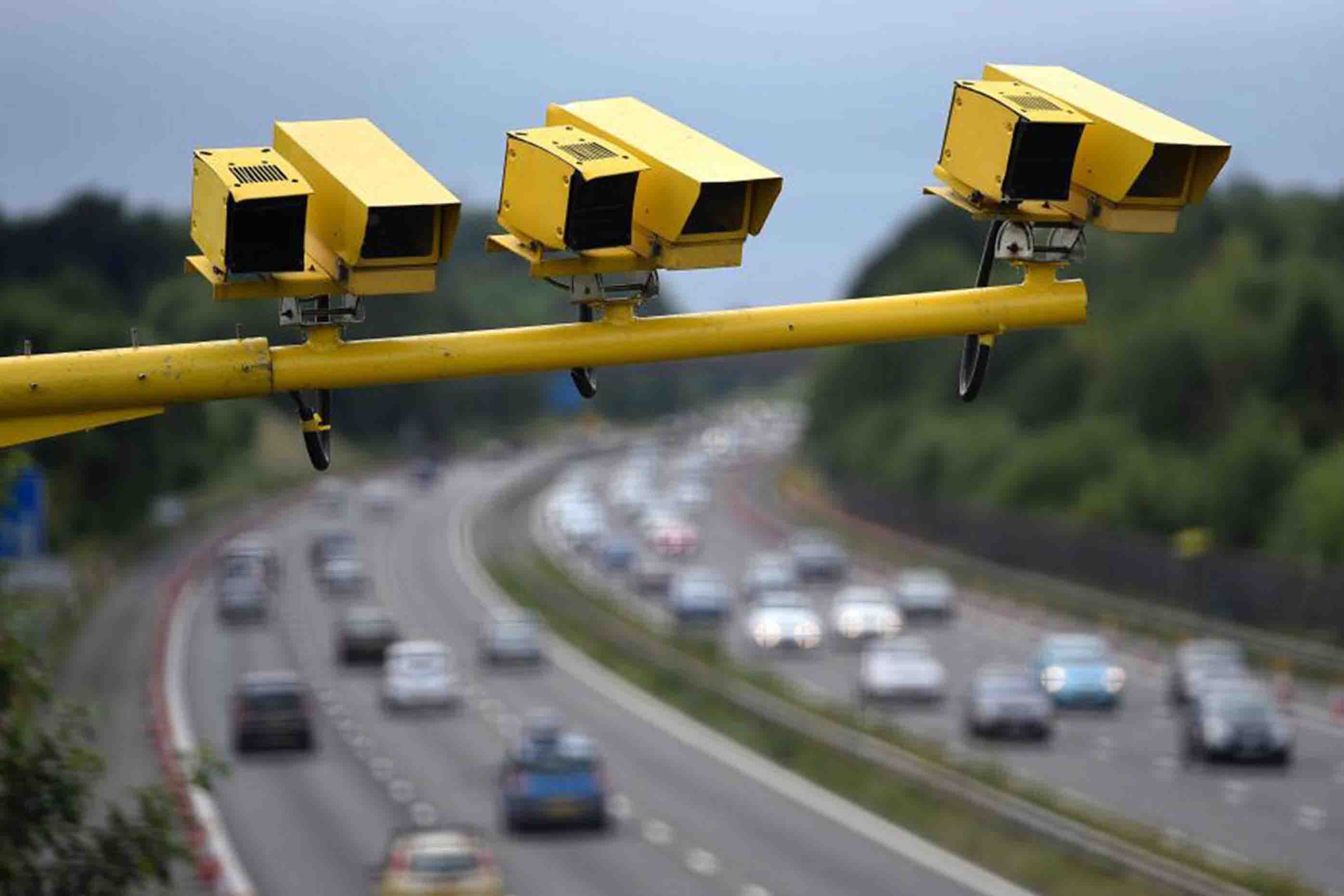
Germany’s approach to traffic management is governed by the Road Traffic Regulations (StVO), which prioritize the safety of vulnerable road users, including pedestrians and cyclists. The use of stationary speed cameras is a cornerstone of this strategy, designed to reduce kinetic impact risks in residential areas. However, this incident brings to light the limitations of relying solely on automated systems.

When a camera captures an image that is clearly not a motor vehicle, the process for reviewing that data is strictly defined. Local authorities in North Rhine-Westphalia confirmed that the image was flagged during the routine verification process. This step is crucial; it ensures that human oversight remains a component of the legal process, preventing erroneous citations from being issued. For those interested in the technical standards of these devices, the Physikalisch-Technische Bundesanstalt (PTB) provides extensive documentation on the calibration and legal requirements for speed measurement equipment used across the country.
Community Impact and Public Perception
The viral nature of this story speaks to a broader human interest in the intersection of technology and everyday life. In an era where “smart cities” are increasingly monitored by sensors and AI, the sight of a centenarian—or an individual utilizing a mobility aid—accidentally appearing in a police database provides a moment of levity. Yet, it also underscores the importance of pedestrian infrastructure.
As we navigate the future of urban planning, the focus remains on ensuring that our streets are accessible to all, regardless of mobility level. The incident in Bad Salzuflen serves as an unofficial case study for municipal planners. If a pedestrian can trigger a system designed for vehicles, it raises questions about the placement of such sensors and the necessity of maintaining clear, safe crossings that do not force pedestrians into the path of traffic monitoring equipment.
Key Takeaways
- Technological Calibration: Speed cameras are designed to detect vehicles; however, their sensors can be triggered by any object moving above a certain threshold within the detection zone.
- Human Oversight: Every automated traffic citation undergoes a review process, ensuring that anomalies—such as a pedestrian with a walker—are identified before any administrative action is taken.
- Pedestrian Safety: The incident emphasizes the need for continued investment in pedestrian-friendly infrastructure, particularly in areas with high elderly populations.
- Regulatory Framework: German traffic law, as outlined in the StVO, continues to evolve to balance the need for strict speed enforcement with the realities of urban pedestrian movement.
What Happens Next?
You’ll see no further legal proceedings or scheduled hearings regarding this incident, as it was identified as an administrative anomaly rather than a traffic violation. The local authorities in Lippe have treated the matter as a closed case, noting that the image was purged from the enforcement system in accordance with data protection regulations.
For readers who wish to stay informed on road safety developments in Germany, the Federal Ministry for Digital and Transport regularly publishes updates on traffic policy and infrastructure initiatives. As we continue to monitor the intersection of technology and human life, I welcome your thoughts on how One can better integrate safety and accessibility in our growing global cities. Please feel free to share your perspectives in the comments section below.
Worth a look