
As President Donald Trump navigates the complexities of his second term, the administration’s initial assertions regarding swift diplomatic resolutions have encountered a formidable reality check. From the ongoing conflict in Ukraine to the humanitarian crisis in Gaza and rising tensions with Tehran, the White House is finding that the “art of the deal” often faces significant structural resistance when applied to entrenched geopolitical stalemates. For global markets and international observers, this transition from campaign-trail confidence to the grinding gears of statecraft represents a critical inflection point in the current economic and security landscape.
My experience covering global economic policy over the past 18 years has taught me that international markets thrive on predictability. However, the current administration’s approach—characterized by bold declarations of rapid, decisive outcomes—is now being tested against the stubborn, multi-layered realities of regional power dynamics. As we observe these unfolding developments, it is essential to distinguish between rhetoric and the tangible, often slow-moving mechanisms of international diplomacy and economic sanction frameworks.
The Complexity of the Ukraine-Russia Conflict
The administration’s stated ambition to broker a rapid end to the war in Ukraine has met with significant logistical and political hurdles. While the White House has expressed a desire to accelerate peace negotiations, the conflict remains defined by deep-seated territorial disputes and security guarantees that involve multiple global stakeholders. According to the Council on Foreign Relations, the United States has committed billions in security and economic assistance, creating a complex web of dependencies and obligations that complicate any unilateral pivot toward a ceasefire.
For investors and business leaders, the uncertainty surrounding the future of this conflict acts as a persistent drag on European economic stability. The challenge for the current administration is not merely one of negotiation, but of managing the expectations of NATO allies who remain wary of any settlement that could be perceived as a concession to Russian territorial expansion. As of early 2025, the administration’s attempts to leverage aid as a bargaining chip continue to face scrutiny from both congressional leaders and international partners, according to reporting by the Reuters news agency.
Gaza and the Limits of Diplomatic Leverage
In the Middle East, the administration’s efforts to mediate the conflict in Gaza have similarly shifted from early optimism to a phase of intense, protracted negotiation. The humanitarian situation, characterized by significant civilian displacement and infrastructure damage, remains a central concern for the international community. The United Nations has documented the severity of the crisis, noting that the humanitarian needs in Gaza have reached critical levels, requiring sustained diplomatic focus rather than quick-fix solutions.
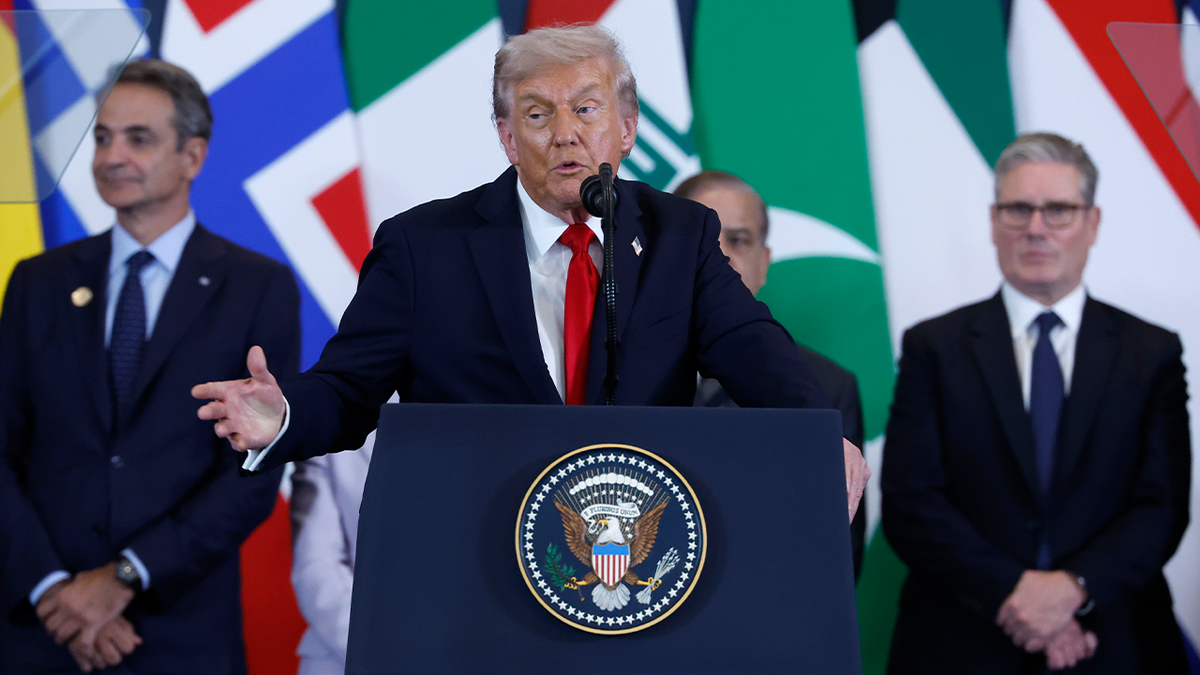
The “stalemate phase” is particularly evident here, where the White House is balancing its commitment to security partners in the region against growing pressure to facilitate a long-term resolution. This delicate maneuvering highlights a recurring theme in modern foreign policy: the erosion of singular diplomatic influence in an increasingly multipolar world. For those monitoring the situation, the White House has periodically issued updates via the official White House Briefing Room, which serves as the primary source for the administration’s stated policy goals and official statements on humanitarian aid corridors.
Iran and the Reality of Escalating Tensions
Perhaps the most pressing concern for global markets is the escalating tension with Iran. The administration’s initial rhetoric regarding “maximum pressure” campaigns has evolved into a more precarious standoff. Economic sanctions, while a traditional tool of American foreign policy, are now being tested against Iran’s ability to bypass them through alternative trade networks and regional alliances. The U.S. Department of the Treasury continues to update its list of sanctioned entities, yet the effectiveness of these measures in altering Tehran’s regional behavior remains a subject of intense debate among security analysts.
The risk of a broader regional conflict has forced the administration into a reactive posture, where the priority has shifted from aggressive posturing to regional containment. This pivot is indicative of the “stalemate” that occurs when the cost of direct intervention is weighed against the instability caused by inaction. For businesses with exposure in the Middle East, this creates a volatile environment where geopolitical risk premiums are increasingly difficult to hedge.
Key Takeaways for Global Observers
- Shift in Rhetoric: The transition from campaign-trail promises of “easy wins” to the acknowledgment of complex, long-term diplomatic hurdles.
- Market Volatility: Persistent uncertainty in Ukraine, Gaza, and Iran contributes to ongoing fluctuations in global energy and commodity markets.
- Institutional Constraints: The reliance on international coalitions and the necessity of navigating congressional oversight limits the speed of executive action.
- Humanitarian Impact: The ongoing crises remain a significant factor in international relations, affecting not just policy, but global public sentiment and economic stability.
What Happens Next?
As we look toward the coming months, the administration is expected to engage in a series of high-level diplomatic summits aimed at recalibrating its approach to these three distinct crises. The next major checkpoint will be the upcoming international security forum scheduled for late spring, where the White House is expected to outline its refined strategy for the remainder of the fiscal year. These forums often provide the clearest insight into potential shifts in foreign policy, as they require the administration to present a unified front to global allies.
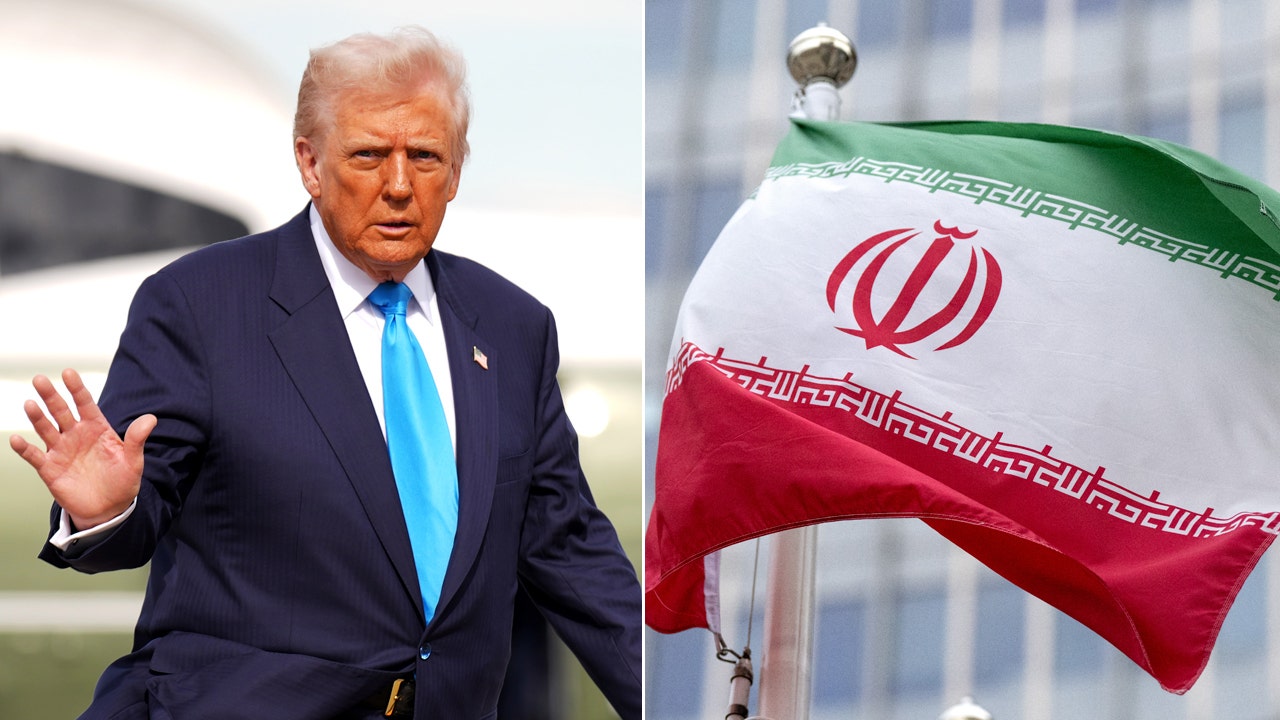
For those tracking these developments, it is recommended to monitor the U.S. Department of State website for official press releases and upcoming policy briefings. Understanding the nuances of these interactions is vital for anyone operating within the global business community. I invite our readers to join the conversation below; how do you assess the efficacy of these diplomatic interventions, and what impact are they having on your specific sector?
Worth a look