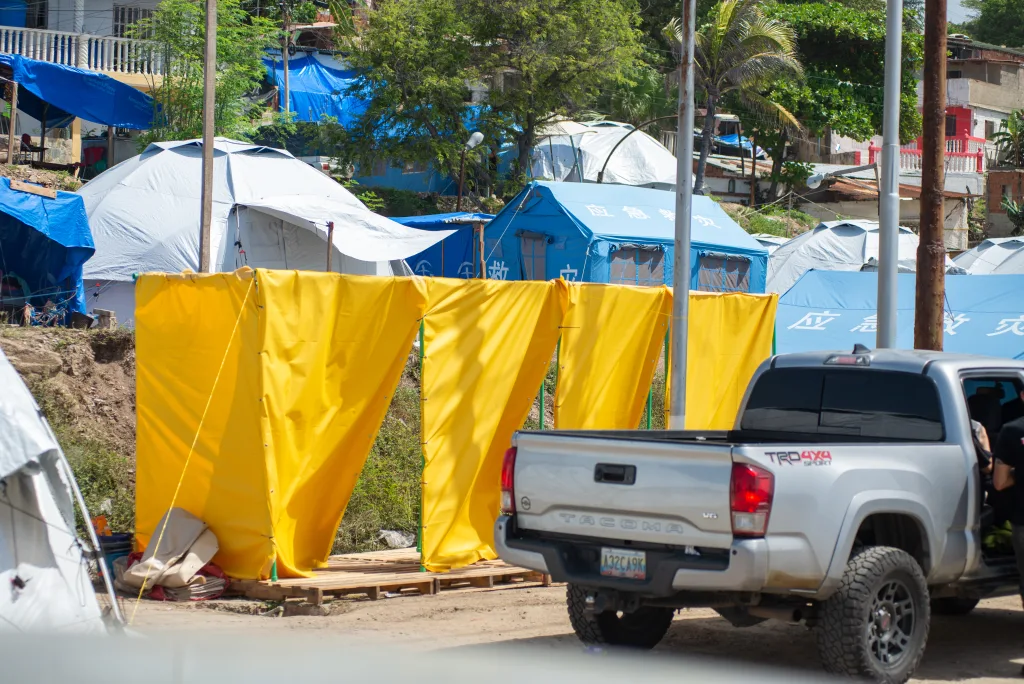
Following major natural disasters, basic infrastructure collapses instantly, leaving survivors without running water, electricity, or sanitation. Portable and emergency showers have emerged as a critical tool for humanitarian relief, designed specifically to restore basic hygiene, prevent disease outbreaks, and preserve human dignity when conventional water systems fail. In regions struck by severe earthquakes, aid organizations increasingly prioritize these mobile sanitation units alongside tents, food rations, and medical supplies to address the immediate daily needs of displaced populations.
Dr. Olivia Bennett, Business Editor at World Today Journal, notes that emergency sanitation logistics require precise coordination between local municipal agencies, international humanitarian NGOs, and private manufacturers. When catastrophic seismic events disrupt municipal water grids, the absence of functional bathing facilities creates immediate health risks, making portable shower deployments an essential component of post-disaster response strategies worldwide.
The Critical Role of Emergency Sanitation in Disaster Zones
When an earthquake strikes, broken water mains and contaminated municipal supplies make personal hygiene nearly impossible for displaced residents. Portable emergency showers provide a vital barrier against hygiene-related illnesses, which often spread rapidly in crowded relief camps and temporary shelters. According to international public health guidelines, maintaining skin cleanliness and hand hygiene is just as crucial for preventing infection as providing clean drinking water.
Humanitarian logisticians deploy various models of portable sanitation units, ranging from lightweight, solar-heated individual shower bags to heavy-duty, trailer-mounted multi-stall stations connected to portable water tanks and greywater filtration systems. These systems are engineered for rapid deployment on uneven terrain, allowing relief teams to set up functional hygiene stations within hours of arriving at a disaster site.
Logistical Challenges and Resource Coordination
Deploying emergency showers involves overcoming significant supply chain and infrastructure hurdles. Relief coordinators must secure reliable sources of potable water, manage wastewater runoff to prevent environmental contamination, and establish maintenance schedules to keep the facilities sanitary over weeks or months of continuous use.
Private sector manufacturers often partner with disaster relief agencies to supply durable, corrosion-resistant materials capable of withstanding harsh weather conditions and heavy daily wear. Funding for these assets typically relies on corporate donations, international aid budgets, and public fundraising campaigns aimed at providing tangible, highly practical support to affected communities.
Preserving Human Dignity Amid Crisis
Beyond physical health benefits, access to private, clean bathing facilities plays a profound psychological role for earthquake survivors. Displacement camps can be chaotic, overcrowded, and stressful, stripping individuals of their daily routines and personal privacy. Functional emergency showers offer a semblance of normalcy and self-care during deeply disruptive circumstances.
Aid workers emphasize that respecting the privacy and safety of vulnerable groups—including women, children, and the elderly—guides the layout and management of these mobile units. Secure locks, adequate lighting, and separate stalling arrangements ensure that hygiene stations remain safe spaces for all members of the displaced population.
Next Steps and Official Relief Updates
Relief agencies continue to coordinate with local emergency management offices to assess ongoing infrastructure repairs and determine when displaced populations can safely return to permanent housing. As recovery phases transition from immediate rescue to long-term rebuilding, public health monitors maintain active oversight of sanitation stations until municipal water networks are fully restored and tested for safety.
Readers and humanitarian supporters interested in tracking ongoing relief efforts or contributing to emergency sanitation funds can monitor updates through official international aid portals and verified disaster response organizations. We invite our readers to share their thoughts or experiences regarding humanitarian logistics and disaster recovery in the comments section below.
Keep reading