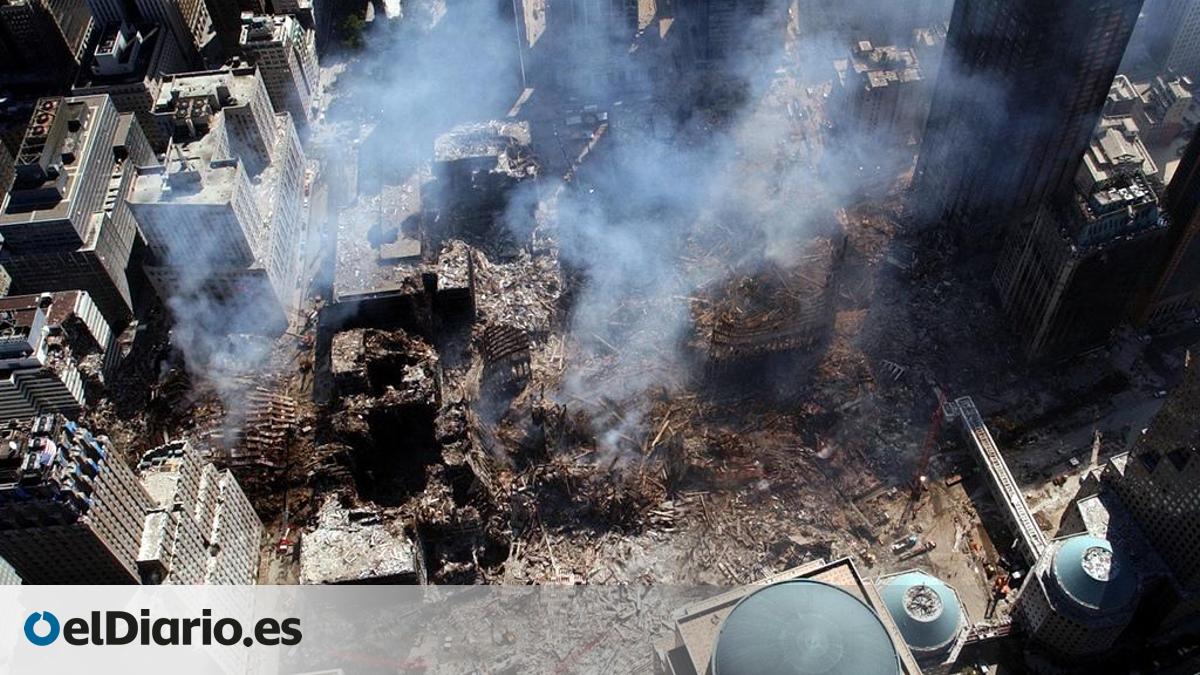
The 9/11 Legacy That Never Ended: How Trauma Transmitted to the Next Generation
September 10, 2024
Twenty-three years after the attacks of September 11, 2001, the psychological ripple effects of that day continue to reshape lives far beyond Ground Zero. A groundbreaking study published in PLOS Mental Health reveals how the trauma experienced by first responders and recovery workers has left a lasting imprint—not just on their own mental health, but on their adult children as well. The findings underscore a troubling phenomenon known as intergenerational transmission of trauma, where the scars of mass violence extend across generations, altering family dynamics and increasing risks of anxiety, depression and substance abuse.
Researchers from Columbia University and the New York State Psychiatric Institute examined 176 families—327 parents and 270 adult children—whose fathers or mothers had participated in the rescue and recovery efforts following the collapse of the World Trade Center towers. The results paint a sobering picture: the children of these heroes are now grappling with mental health challenges at rates significantly higher than the general population, with patterns of distress linked directly to the severity of their parents’ exposure to 9/11. For the first time, science is quantifying what survivors and families have long suspected: that the cost of heroism on that day was never confined to the heroes themselves.
On the morning of September 11, 2001, more than 400 firefighters and paramedics died in the line of duty—nearly one in ten of those who responded to the Twin Towers (FDNY). Thousands more were trapped when the buildings fell, while others worked for months sifting through the wreckage, often without proper protective gear. The physical toll was staggering, but the emotional fallout has been just as devastating. Decades later, many of these first responders still struggle with post-traumatic stress, depression, and anxiety. Now, their children—now adults themselves—are inheriting these burdens in ways that challenge our understanding of how trauma travels through time.
How 9/11 Trauma Rewired Family Mental Health
The study, which analyzed data collected between 2018 and 2022, found that the children of 9/11 responders exhibit mental health symptoms at alarming rates. More than 20% of adult children reported clinical depression, while over 25% met criteria for an anxiety disorder—a rate nearly double that of the general U.S. Population. The transmission of trauma wasn’t random; it followed distinct patterns based on the type of work parents performed and the intensity of their exposure.
For civilian recovery workers—those who spent months sifting through debris, cleaning toxic dust, and handling human remains—the risks for their children were particularly high. These workers, who often lacked the psychological support afforded to uniformed responders, showed the strongest links to post-traumatic stress disorder (PTSD) and generalized anxiety in their offspring. The longer a parent worked at Ground Zero, the greater the likelihood their children would develop these conditions. Researchers noted that each additional hour spent at the site correlated with a measurable increase in anxiety and panic symptoms in the next generation.

In contrast, police officers and firefighters—who often had access to peer support networks and structured debriefing—exhibited different patterns. Their children were more likely to struggle with substance abuse, particularly alcohol dependence, a trend the study linked to deteriorated parent-child relationships in the aftermath of 9/11. “When parents are emotionally unavailable due to their own trauma, children learn to cope in unhealthy ways,” explained Dr. Matthew Friedman, a trauma specialist at the U.S. Department of Veterans Affairs, who was not involved in the study but has researched similar dynamics in military families.
The study also highlighted how direct exposure to human remains amplified risks. Children of parents who had handled or identified bodies were twice as likely to develop PTSD compared to those whose parents had less graphic exposure. This finding aligns with broader research on secondary trauma, where witnessing extreme violence—even indirectly—can rewire the brain’s stress response systems.
From Dust to DNA: How Trauma Travels Across Generations
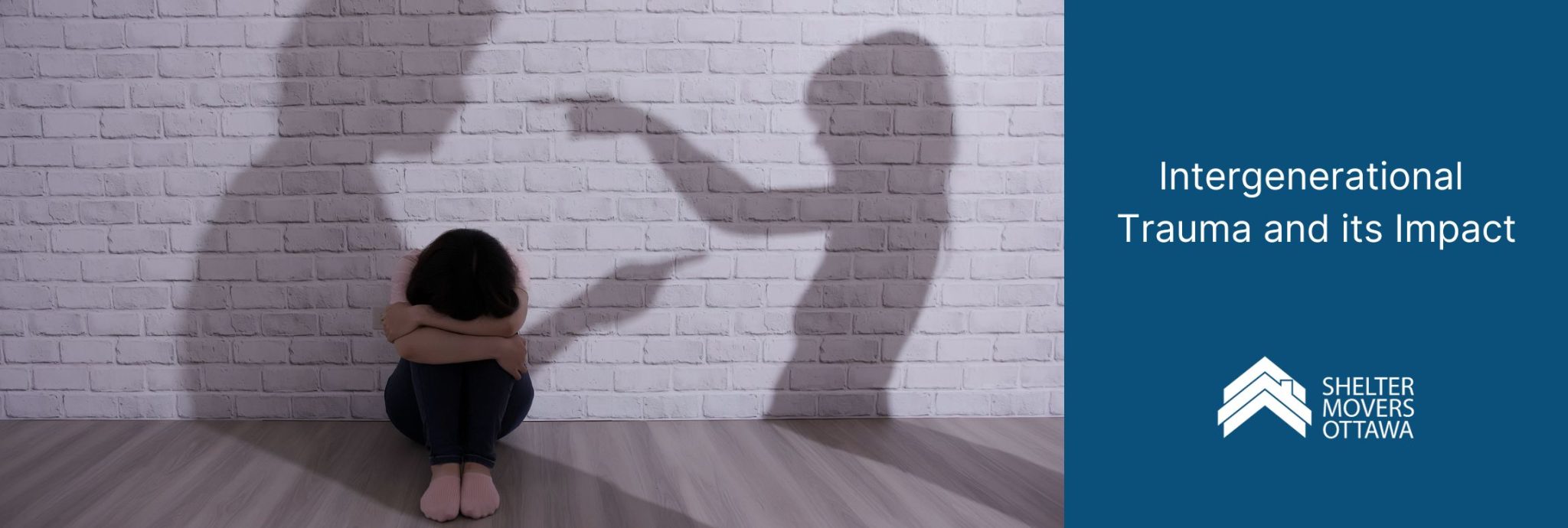
The phenomenon of intergenerational trauma is not new. It has been documented among the children of Holocaust survivors, veterans of war, and families exposed to natural disasters. But the 9/11 study provides one of the first quantitative analyses of how this transmission occurs in real time. Researchers identified three primary pathways:
- Biological: Chronic stress alters hormone levels (like cortisol) in parents, which can affect fetal development or early childhood brain wiring.
- Psychological: Parents who struggle with emotional regulation may model unhealthy coping mechanisms, such as avoidance or substance use, for their children.
- Social: Families where trauma goes unaddressed often develop rigid communication patterns, leaving children feeling isolated or responsible for their parents’ emotional well-being.
Dr. Rachel Yehuda, a leading trauma researcher at Mount Sinai Hospital in New York, has spent decades studying these mechanisms. “What we’re seeing with 9/11 responders is a classic example of how collective trauma becomes family trauma,” she said in a 2023 interview. “The children didn’t experience the towers falling, but they grew up in households where the air was thick with unspoken fear.”
The study also revealed that age at exposure played a critical role. Children who were younger than 10 when 9/11 occurred were more likely to exhibit externalizing behaviors—such as aggression or risk-taking—as adolescents, while those in their teens tended to internalize stress, leading to depression or social withdrawal. This mirrors findings from other trauma studies, where early childhood exposure is linked to more severe long-term outcomes.
When the Home Front Became the Battlefield
For many families, the true fallout of 9/11 began not at Ground Zero, but in their living rooms. Parents who returned home from the disaster zone often struggled with hypervigilance, nightmares, and emotional numbness—symptoms that made it difficult to provide the stable, nurturing environment children need to thrive. The study found that household conflict in the years after 9/11 was a predictor of substance abuse in adult children, suggesting that the stress of unresolved trauma created a cycle of dysfunction.

Yet the research also offers a glimmer of hope: family resilience can mitigate these effects. Families that sought therapy, maintained open communication, and created rituals to honor their loved ones (like annual memorials) reported lower rates of mental health issues in their children. “It’s not about erasing the past, but about finding ways to process it together,” said Dr. Friedman. “Many of these families have shown remarkable strength in the face of unimaginable loss.”
One such family is that of Firefighter Michael Hess, who died at the World Trade Center on 9/11. His daughter, Sarah Hess, now 32, has spoken openly about growing up in a household where her father’s absence was a daily presence. “My mom never talked about it, but I could feel it—the way she’d freeze when the phone rang, or how she’d wake up screaming,” Hess told The New York Times in 2022. “I didn’t understand it as a kid, but now I see how it shaped everything.” Hess later pursued a career in social work, driven in part by her family’s experience.
Why This Research Matters Beyond 9/11
The findings from this study have profound implications for how society addresses the mental health of first responders and their families—not just in the U.S., but globally. With conflicts in Ukraine, Gaza, and other regions producing new generations of trauma-exposed parents, the question of intergenerational transmission is more urgent than ever.
Psychologists now recommend proactive interventions for families of responders, including:
- Family therapy to address unresolved grief and communication breakdowns.
- Genogram counseling, where therapists map family trauma patterns to help children understand their emotional inheritance.
- Peer support groups for adult children of responders, where they can share experiences without stigma.
In New York, organizations like the FDNY 9/11 Memorial & Museum and the NYC Fire Department’s Family Assistance Center have expanded mental health services to include multi-generational support. “We used to think of PTSD as an individual diagnosis,” said Dr. Lori Uscher-Pines, a psychologist at Columbia’s Mailman School of Public Health. “Now we’re realizing it’s often a family disease.”
The Road Ahead: Research and Resources
The study’s authors emphasize that their work is just the beginning. “We need longitudinal studies to track these families over time,” said lead researcher Dr. Andrew Ratanatharathorn. “Are these patterns permanent, or can they be reversed with the right interventions?”
For families grappling with these issues, resources are available:
- VA’s National Center for PTSD (offers guidance for families of veterans and first responders).
- SAMHSA’s National Helpline (1-800-662-HELP) for mental health support.
- 9/11 Memorial & Museum’s Family Assistance Program.
As the 23rd anniversary of 9/11 approaches, the story of these families serves as a reminder that the true cost of tragedy is often measured not in lives lost on a single day, but in the lives altered in the decades that follow. For the children of Ground Zero, the legacy of heroism is also a legacy of healing—and the journey has only just begun.
Key Takeaways
- Intergenerational trauma is real: Children of 9/11 responders show higher rates of depression, anxiety, and substance abuse—linked directly to their parents’ exposure.
- Exposure matters: The more time parents spent at Ground Zero or the more graphic their tasks, the greater the risk for their children.
- Family dynamics are critical: Household conflict and emotional unavailability in parents amplify mental health risks for children.
- Resilience exists: Families that sought therapy or created supportive rituals reported better outcomes for their children.
- Global relevance: The study’s findings apply to families of veterans, disaster responders, and survivors of mass violence worldwide.
This story is part of an ongoing series by World Today Journal on the long-term impacts of collective trauma. If you or someone you know is struggling with the legacy of 9/11 or another traumatic event, we encourage you to seek support. Share your experiences in the comments below—or reach out to a mental health professional for guidance.
For updates on trauma research and family support resources, subscribe to our newsletter.