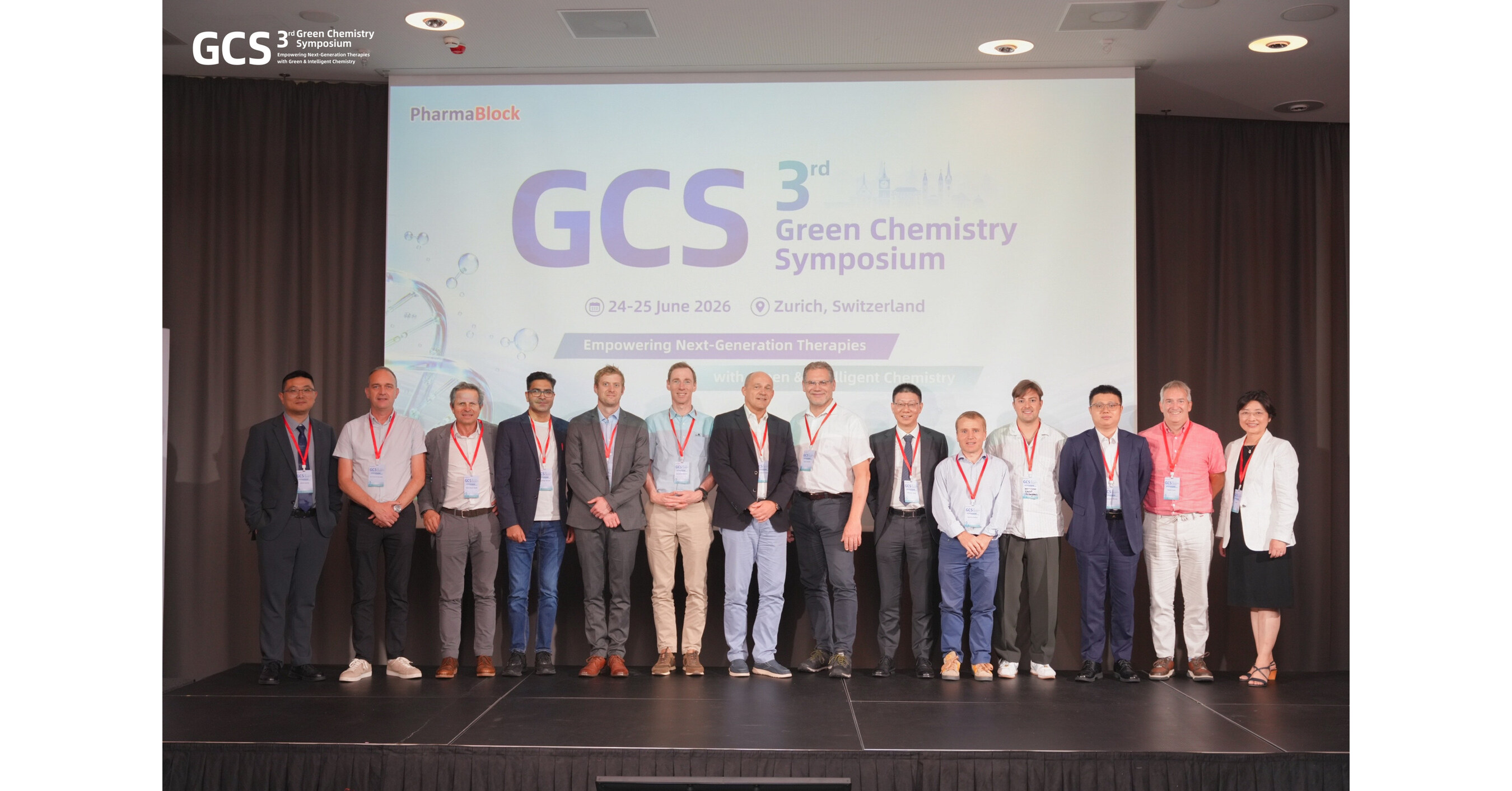
PharmaBlock, a prominent global provider of chemistry services and building blocks for the pharmaceutical industry, recently convened industry leaders in Zurich to address the integration of Green Chemistry principles into large-scale pharmaceutical manufacturing. The gathering focused on reducing the environmental footprint of drug development through innovative synthetic pathways, solvent minimization, and the adoption of sustainable manufacturing technologies.
As the pharmaceutical sector faces increasing pressure from both regulatory bodies and environmental, social, and governance (ESG) mandates, the transition toward sustainable production has moved from a corporate initiative to an operational necessity. According to the American Chemical Society’s Green Chemistry Institute, the implementation of these practices is essential to reducing the high energy and waste intensity traditionally associated with active pharmaceutical ingredient (API) synthesis.
Sustainable Innovation in API Synthesis
The Zurich summit highlighted the technical challenges of replacing traditional chemical processes with greener alternatives. PharmaBlock’s approach emphasizes the use of biocatalysis and flow chemistry to improve atom economy—a measure of the amount of raw materials that end up in the final product versus the amount lost as waste. By optimizing these synthetic routes, manufacturers can significantly lower the E-factor, or the ratio of waste to product, which remains a critical metric for environmental efficiency in the chemical sector.
Industry stakeholders at the conference noted that the shift is not merely about environmental compliance but also about supply chain resilience. Utilizing sustainable chemistry can often lead to shorter, more efficient production cycles, potentially mitigating the risks of shortages in critical pharmaceutical components. The European Medicines Agency (EMA) has increasingly integrated quality-by-design (QbD) principles that align with these sustainable goals, encouraging companies to consider environmental impact early in the development lifecycle.
Regulatory and Economic Drivers for Green Chemistry
The transition to green manufacturing is bolstered by a tightening regulatory landscape. In the European Union, the Chemicals Strategy for Sustainability under the European Green Deal aims to simplify and strengthen the legal framework governing chemical production. For companies operating in Switzerland and the broader European market, these regulations necessitate a move away from hazardous substances and toward safer, circular economy models.
Beyond regulatory requirements, there is an economic argument for sustainability. Reducing solvent consumption and improving energy efficiency directly correlate with lower operational costs over the long term. Participants in Zurich discussed the financial feasibility of retrofitting existing facilities to accommodate greener chemistry. While the initial capital expenditure for new technology can be significant, the reduction in waste disposal fees and the improved efficiency of chemical reactions provide a clear path to return on investment for major pharmaceutical players.
Future Perspectives on Pharmaceutical Manufacturing
The collaboration between service providers like PharmaBlock and major pharmaceutical firms represents a shift toward a more transparent and collaborative supply chain. By sharing data on synthetic efficiency and environmental impact, companies are setting new benchmarks for the industry. The focus is currently on the development of “benign-by-design” molecules, where the environmental impact is calculated before the first batch is synthesized in a pilot plant.
The next major checkpoint for the industry will be the upcoming Green Chemistry & Engineering Conference, where further technical findings on sustainable manufacturing are expected to be presented. As the global pharmaceutical industry continues to evolve, the integration of these green practices will likely become the standard for market entry and regulatory approval. We invite readers to share their perspectives on the role of sustainable manufacturing in the pharmaceutical sector in the comments section below.
Related reading