
In a significant move that highlights the ongoing tension between artistic legacy and the protection of minors in cinema, actress Nastassja Kinski has publicly called for the removal of scenes featuring her nudity from a film directed by Wim Wenders. The veteran actress, who rose to international prominence in the 1970s and 1980s, has recently spoken out about her discomfort regarding the inclusion of these images, which were filmed when she was just 13 years old.
The controversy centers on the ethics of retrospective consent and the preservation of films that contain depictions of underage actors in sensitive circumstances. As the industry grapples with evolving standards regarding child protection and digital age-appropriateness, Kinski’s public stance serves as a poignant reminder of the long-term impact that early professional experiences can have on performers. This situation has sparked a wider conversation about the responsibility of directors and studios in maintaining the dignity of their subjects long after the production wraps.
The Evolution of Consent and Historical Context
Nastassja Kinski’s career began at an early age, notably leading to her collaboration with German filmmaker Wim Wenders. The film in question, which has come under scrutiny due to the age of the actress at the time of filming, was produced during a period when industry standards regarding the depiction of minors were vastly different from those practiced today. The Wim Wenders Foundation, which manages the director’s extensive catalog, has historically maintained the integrity of his cinematic works as artistic artifacts.
However, the shifting cultural landscape has prompted a reassessment of how such material is presented to modern audiences. Kinski’s request is not merely a personal grievance but a reflection of a broader, systemic shift in how the entertainment world addresses historical footage. Legal experts often point to the complexities of copyright and artistic integrity, which frequently clash with an individual’s right to control their own likeness, particularly when that likeness stems from their childhood.
Industry Standards and the Protection of Minors
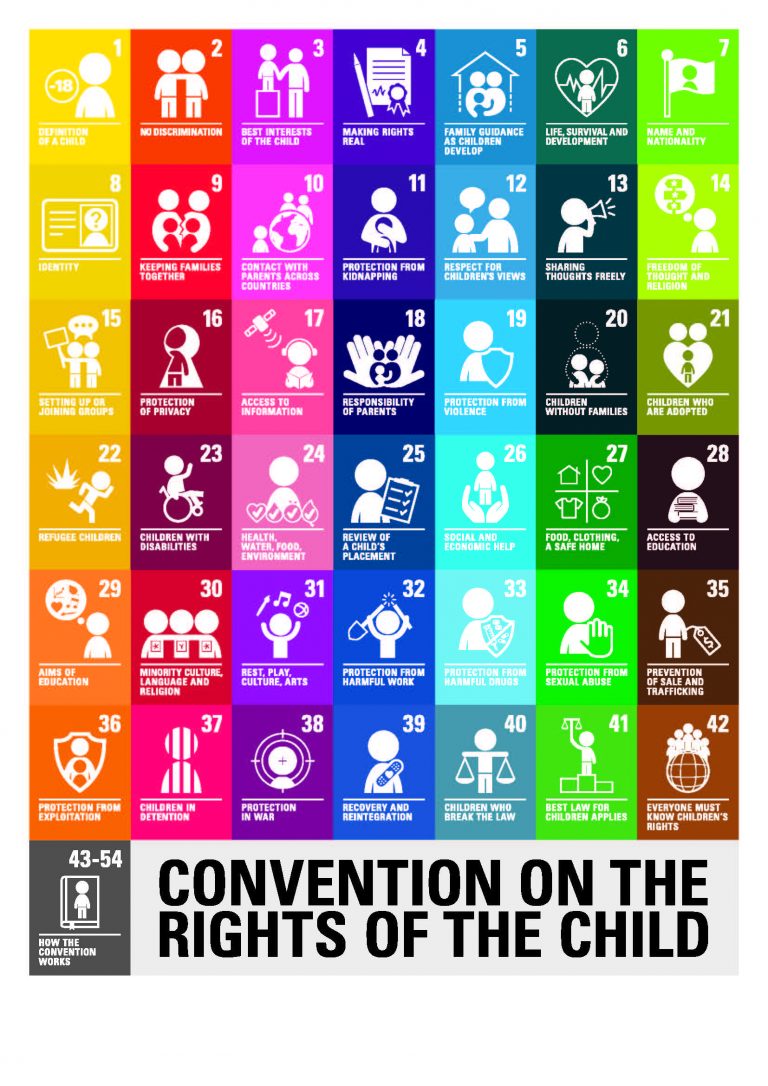
The debate surrounding Kinski’s request touches upon the fundamental principles of the United Nations Convention on the Rights of the Child, which emphasizes the protection of children from exploitation. While the film industry operates under various guild regulations—such as those enforced by the Screen Actors Guild-American Federation of Television and Radio Artists (SAG-AFTRA)—these protections were significantly less robust during the mid-1970s. Modern productions now utilize intimacy coordinators and strict legal safeguards to ensure that minors are not subjected to situations that could be deemed inappropriate or harmful.
The lack of such formal protections in the past has left many actors from that era to navigate their own paths toward reconciliation with their past work. Kinski’s advocacy for the removal of these scenes represents an attempt to reclaim her own narrative, signaling a demand for the industry to prioritize the psychological well-being of the performer over the preservation of an unedited film cut.
What Happens Next: The Path Toward Resolution
As of June 2026, there is no official court ruling or public statement from the production entities involved that indicates an immediate edit to the film. The resolution of this matter typically involves complex negotiations between the rights holders, distributors, and the concerned parties. Historically, such disputes are settled privately, often resulting in agreements that may include the addition of content warnings or, in some cases, the withdrawal of specific versions of a film from public platforms.

For audiences and film historians, the situation underscores the difficulty of balancing historical accuracy in cinema with the evolving values of society. Whether the film will be altered or whether it will remain in its original form remains a point of intense speculation. As we monitor this situation, the conversation surrounding the rights of performers—especially those who began their careers as children—is far from over.
We invite our readers to share their thoughts on this delicate balance between artistic preservation and the rights of the individual. How should the industry address problematic scenes from the past while respecting the history of cinema? Join the discussion in the comments section below as we continue to track developments on this story.