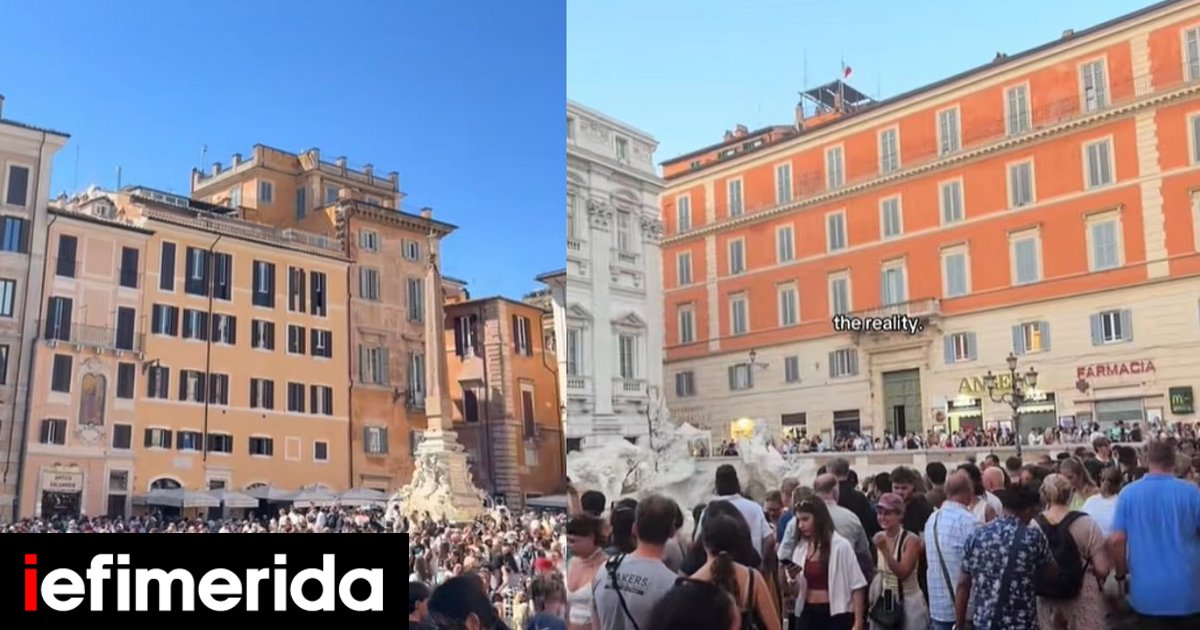
Italy is experiencing a surge in overtourism as viral social media videos show extreme crowds and endless queues in Rome, Lake Como, and the Cinque Terre. This trend has prompted Italian authorities to implement new restrictive measures, including entry fees for Venice and stricter crowd-control protocols in high-traffic historic centers, to manage the volume of international visitors.
The phenomenon of “overtourism” in Italy has transitioned from a seasonal peak to a systemic challenge. In Rome, the Colosseum and the Pantheon have become focal points for viral footage depicting visitors packed into narrow corridors, while the coastal villages of Cinque Terre report pedestrian congestion that often hinders local movement. According to data from the Italian National Institute of Statistics (ISTAT), the country has seen a steady climb in international arrivals, intensifying the pressure on infrastructure in “honey-pot” destinations.
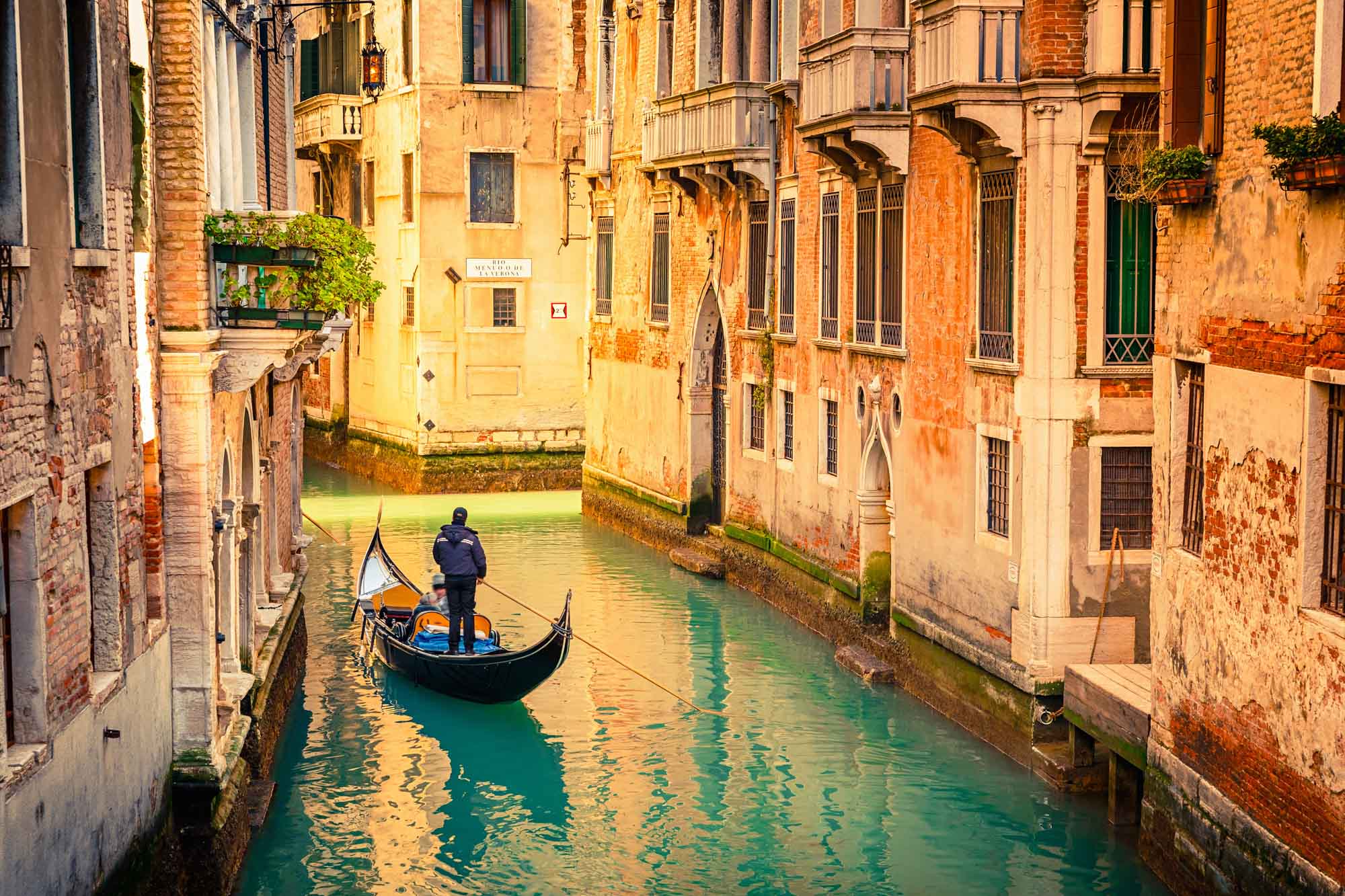
Local residents and city officials are increasingly concerned that the scale of tourism is eroding the quality of life for permanent inhabitants. In Venice, the city has introduced a 5-euro entry fee for day-trippers on specific high-traffic days, a move designed to discourage short-term visits and regulate the flow of people into the historic center. This measure, officially launched in 2024, represents one of the most direct attempts by an Italian municipality to monetize and limit access to a city center.
Crowd Management and New Restrictions in Major Cities
The Italian government and local municipalities are shifting toward “de-marketing” certain hotspots to push tourists toward lesser-known regions. In Venice, the ban on large cruise ships entering the city’s Giudecca Canal is a key component of this strategy, aiming to reduce the sudden influx of thousands of passengers into the narrow streets simultaneously.
Rome is facing similar struggles with “hit-and-run” tourism, where visitors arrive for a few hours to see a single monument and leave. City officials are exploring digital booking systems for the city’s most popular squares and monuments to prevent the physical queues seen in recent viral videos. The Pantheon, for instance, transitioned to a paid entry system in 2023 to better manage the volume of visitors entering the temple.
In the Cinque Terre region, the local parks authority has implemented a reservation system for hiking trails to prevent overcrowding on the narrow paths connecting the five villages. These measures are intended to protect the fragile environment of the UNESCO World Heritage site while ensuring visitor safety during peak summer months.
The Role of Social Media in Driving Overcrowding
Digital platforms like TikTok and Instagram have fundamentally changed how tourists select destinations in Italy. “Viral loops” occur when a specific vista—such as the colorful houses of Vernazza or the luxury villas of Lake Como—becomes a trend, leading to a concentrated spike in visitors to a single geographic point.
This “Instagrammability” has created a disconnect between the perceived experience and the reality on the ground. While videos often show serene landscapes, the unedited footage circulating online reveals the “asphyxiating” crowds mentioned by locals. This trend has led to a rise in “tourism phobia” among residents, particularly in Venice and Florence, where the ratio of tourists to residents has reached critical levels.
Lake Como, once a quiet retreat for the elite, has seen a surge in visitors seeking the “celebrity lifestyle” associated with the region. Local businesses report that while the number of visitors has increased, the economic benefit is often concentrated in a few high-end establishments, while the public infrastructure struggles to support the mass of pedestrians and rental boats.
Economic Impact vs. Environmental Sustainability
Tourism is a pillar of the Italian economy, contributing significantly to the national GDP. However, the cost of maintaining historic sites under the weight of millions of footsteps is rising. The Italian Ministry of Tourism is currently balancing the need for economic growth with the necessity of sustainable tourism practices.
The shift toward “slow tourism” is being promoted as a solution. This approach encourages visitors to stay longer in one place, explore rural areas like Puglia or the interior of Sicily, and engage with local cultures rather than checking off a list of famous monuments. By diversifying the tourist map, Italy hopes to relieve the pressure on the “Big Three” (Rome, Florence, Venice).
Environmental concerns are also mounting. In the Cinque Terre and along the Amalfi Coast, the sheer volume of waste and the wear on ancient stone paths have forced authorities to implement stricter environmental regulations and higher fines for littering or venturing off designated paths.
Comparing Management Strategies Across Italy
Different regions of Italy are adopting varying levels of aggression in their crowd-control strategies. While Venice has moved toward direct financial barriers, other regions are focusing on digital management and zoning.
| Location | Primary Strategy | Key Measure |
|---|---|---|
| Venice | Financial/Regulatory | 5-euro entry fee for day-trippers |
| Rome | Digital/Ticketing | Paid entry for the Pantheon; timed slots |
| Cinque Terre | Environmental/Zoning | Trail reservation systems |
| Lake Como | Infrastructure | Boat traffic regulations and parking limits |
The effectiveness of these measures remains a point of debate. Critics argue that entry fees in Venice may not significantly deter wealthy tourists but could alienate budget travelers, while proponents suggest it is the only way to prevent the city from becoming a “theme park.”
What Visitors Should Expect in 2025
Travelers planning trips to Italy should anticipate more rigorous booking requirements. The era of “showing up” at a major monument is largely over; most top-tier sites now require pre-booked time slots to avoid the massive queues seen in viral clips.
The Italian government is also expected to expand the use of “smart city” technology to monitor crowd density in real-time. This could include apps that alert tourists when a specific area is at capacity and suggest alternative, less-crowded destinations nearby.
For those looking to avoid the crowds, the Ministry of Tourism recommends visiting during the “shoulder seasons”—spring and autumn—and venturing into the “borghi” (small historic villages) of the Italian countryside, which offer authentic experiences without the congestion of the urban centers.
The next major update regarding tourism regulations is expected during the upcoming municipal budget reviews, where cities like Rome and Florence will determine if further entry restrictions or “tourist taxes” are necessary to fund the maintenance of their historic cores.
Do you have experience with these new restrictions, or are you planning a trip to Italy? Share your thoughts and tips for avoiding the crowds in the comments below.
Worth a look