By Jonathan Reed | | News | Culture | Photography
Marilyn Monroe’s Centennial: Rare Photos Reveal the Woman Behind the Icon
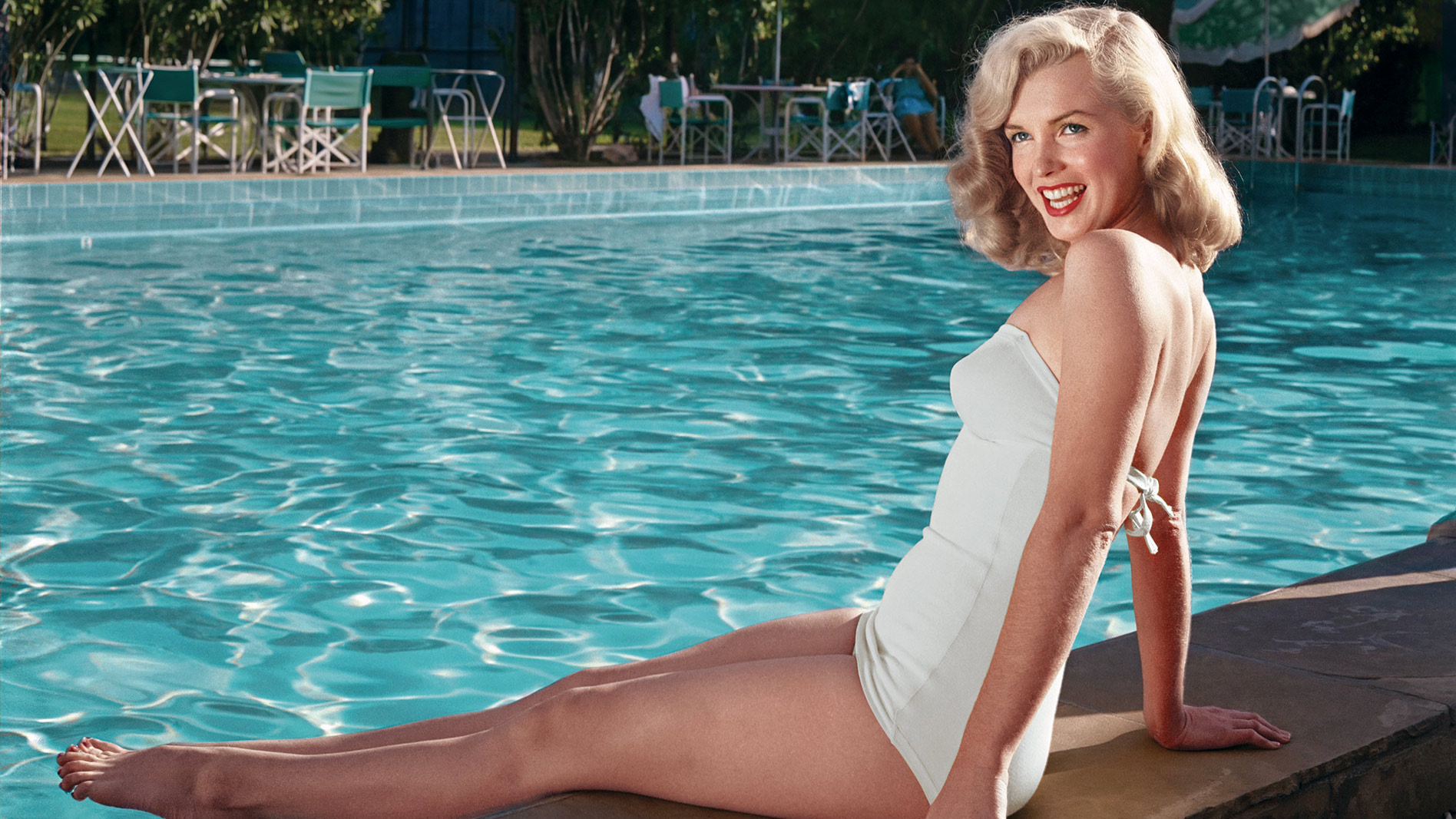
Marilyn Monroe’s legacy looms larger than life—a symbol of glamour, vulnerability, and the American Dream. But behind the iconic blonde curls and sultry smiles lay a woman named Norma Jeane Mortensen, whose journey from foster care to Hollywood stardom was as complex as it was extraordinary. As the legendary actress turns 100 years old on June 1, 2026, newly surfaced photographs by Bruno Bernard, the German-Jewish photographer who fled Nazi persecution to document her early years, offer an unfiltered glimpse into the woman before the icon.
Bernard, who became known as the “Bernard of Hollywood,” captured Monroe in moments of raw authenticity—long before she became Marilyn. His lens preserved her as a struggling aspirant, a flirtatious newcomer, and, eventually, a superstar still grappling with the weight of her own transformation. These images, now part of the Bernard of Hollywood Foundation Archive, challenge the mythos surrounding Monroe, revealing instead a woman navigating fame with both grace and quiet desperation.
To mark her centennial, World Today Journal presents three rarely seen photographs from Bernard’s collection, each telling a different chapter of Monroe’s life. From her first public performances to her struggles on set, these images remind us that even legends were once ordinary people—full of doubt, resilience, and an unshakable spark.
Marilyn Monroe’s centennial is more than a milestone; it’s an invitation to reconsider how we remember those who shape our cultural imagination. While her films—Gentlemen Prefer Blondes, The Seven Year Itch, Some Like It Hot—cemented her as a sex symbol and comedic genius, her personal story remains a tapestry of triumph and tragedy. Born Norma Jeane Baker (she legally changed her name to Norma Jeane Mortensen in 1942 and later adopted Marilyn Monroe as her stage name), she spent her childhood in foster homes, enduring instability before her breakthrough in the late 1940s.
Bruno Bernard, who arrived in the U.S. In 1937 as a refugee from Nazi Germany, became one of the few photographers to document Monroe’s early years with intimacy. Unlike the staged glamour of later portraits, Bernard’s images capture her in candid, unguarded moments—whether she’s laughing on a film set or posing with the ease of a woman who hasn’t yet fully embraced her own fame.
Key verified details about Bruno Bernard and Monroe’s relationship:
- Bernard fled Berlin in 1937 after the Nazis seized power, settling in Los Angeles where he worked as a freelance photographer for studios like 20th Century Fox and Paramount (Jewish Virtual Library).
- He first photographed Monroe (then Norma Jeane) in the mid-1940s, when she was working as a pin-up model and aspiring actress (Bernard of Hollywood Foundation).
- Monroe legally changed her name to Marilyn Monroe in 1956, but Bernard continued to refer to her privately as Norma Jeane until his death in 1987 (Biography.com).
Three Rare Photographs That Redefine Marilyn Monroe
These images, selected from Bernard’s archive, trace Monroe’s evolution from an unknown to a global icon. Each tells a story beyond the headlines.
Photograph by Bruno Bernard | Courtesy of the Bernard of Hollywood Foundation Archive
In this 1953 photograph, Monroe is captured mid-performance at the Hollywood Bowl, her radiant smile contrasting with the financial struggles she faced at the time. The tangerine-colored dress she wears wasn’t hers—she borrowed it from the wardrobe of Gentlemen Prefer Blondes (1953), a film that would later solidify her status as a comedic star. By this point, Monroe had already signed with Fox Studios and was balancing her acting career with personal demons, including a failed first marriage to baseball player Joe DiMaggio in 1954 (The New York Times).
Photograph by Bruno Bernard | Courtesy of the Bernard of Hollywood Foundation Archive
This image, taken during the filming of The Seven Year Itch (1955), shows Monroe in a rare moment of quiet reflection. The film’s iconic subway grate scene—where she stands above Tom Ewell’s character—became one of the most recognizable images of her career. Bernard, who had grown distant from Monroe by this time, later wrote in his diaries that he was stung by her apparent forgetfulness—until she spotted him in the crowd and reportedly said, *“Remember, Bruno, it all started with you”* (The Guardian).
Photograph by Bruno Bernard | Courtesy of the Bernard of Hollywood Foundation Archive
This 1949 photograph captures Monroe in her early days as Marilyn Monroe, a name she had recently adopted but hadn’t yet fully embraced. She’s flirtatious, relaxed, and unaware of the storm of fame that was coming. By this time, she had already signed a seven-year contract with Fox Studios and was training under acting coach Natalia Zakharenko to refine her skills (MarilynMonroe.com). The Racquet Club of Palm Springs was a popular retreat for Hollywood stars, and Bernard’s presence behind the camera suggests a friendship that predated her rise.
Beyond the Icon: What These Images Tell Us
Bernard’s photographs are more than just historical artifacts—they’re a corrective to the mythologizing of Monroe’s life. While later images of her were carefully staged to reinforce her sex symbol persona, Bernard’s work shows her as:

- A survivor: Monroe’s childhood was marked by instability, including time in an orphanage and multiple foster homes after her mother’s institutionalization (Biography.com).
- A collaborator: Her relationship with Bernard was built on mutual respect, with both being outsiders—he a refugee, she a woman fighting to control her own narrative.
- A human being: The laughter in her eyes, the way she holds her body—these are not the polished performances of her films but glimpses of the woman beneath.
Monroe’s life was cut short in 1962, but her legacy endures in part because of figures like Bernard, who saw her not as a product but as a person. As Joshua John Miller, Bernard’s grandson and co-author of The Marilyn Monroe Century: From Norma Jeane to Icon, noted, *“She was never just Marilyn. She was Norma Jeane, and that’s who Bruno always remembered.”*
How Monroe’s Story Resonates 100 Years Later
Monroe’s centennial arrives at a time when discussions about female agency in Hollywood, mental health, and the cost of fame are more relevant than ever. Her life—marked by both triumph and tragedy—serves as a case study in how society shapes and consumes its icons.
Today, Monroe’s influence is evident in:
- Feminist reinterpretations: Films like Blonde (2001) and documentaries such as Marilyn (2022) re-examine her life through a modern lens, emphasizing her vulnerability (IMDb).
- Photography as activism: Bernard’s archive highlights how marginalized voices—whether refugees or women—can shape cultural narratives.
- Legacy projects: Institutions like the Marilyn Monroe Museum in Los Angeles and the Norma Jeane Foundation continue to preserve her story while supporting mental health initiatives.
How to Explore These Images
The Bernard of Hollywood Foundation Archive has made select photographs available for educational and cultural exhibitions. For those interested in viewing them:
- Exhibitions: Check the Bernard of Hollywood Foundation for upcoming shows.
- Books: The Marilyn Monroe Century: From Norma Jeane to Icon (2023) by Joshua John Miller and Mark A. Fortin features Bernard’s work.
- Online: High-resolution scans of Bernard’s Monroe photographs are available via the Getty Images archive.
Key Questions About Marilyn Monroe’s Centennial
Q: Why is Bruno Bernard’s photography significant?

A: Bernard’s images are rare because they predate Monroe’s carefully curated public persona. Unlike later photographers, he captured her in unguarded moments, offering a more authentic portrait.
Q: What was Monroe’s relationship with Bernard?
A: They shared a bond as outsiders—Bernard as a refugee, Monroe as a woman fighting for control in Hollywood. She later acknowledged his role in her early career, calling him a “friend who believed in me.”
Q: Are there more undiscovered photographs?
A: The Bernard of Hollywood Foundation continues to digitize his archive, and new images may surface. Researchers are also exploring Monroe’s personal photo albums, which include snapshots from her private life.
As Marilyn Monroe’s centennial unfolds, these photographs remind us that legends are built on real lives—lives marked by both brilliance and struggle. Bernard’s lens didn’t just document a star; it immortalized a woman who, despite everything, chose to shine.
To explore Monroe’s legacy further, visit the official Marilyn Monroe website or the Bernard of Hollywood Foundation. Share your thoughts on Monroe’s enduring influence in the comments below.