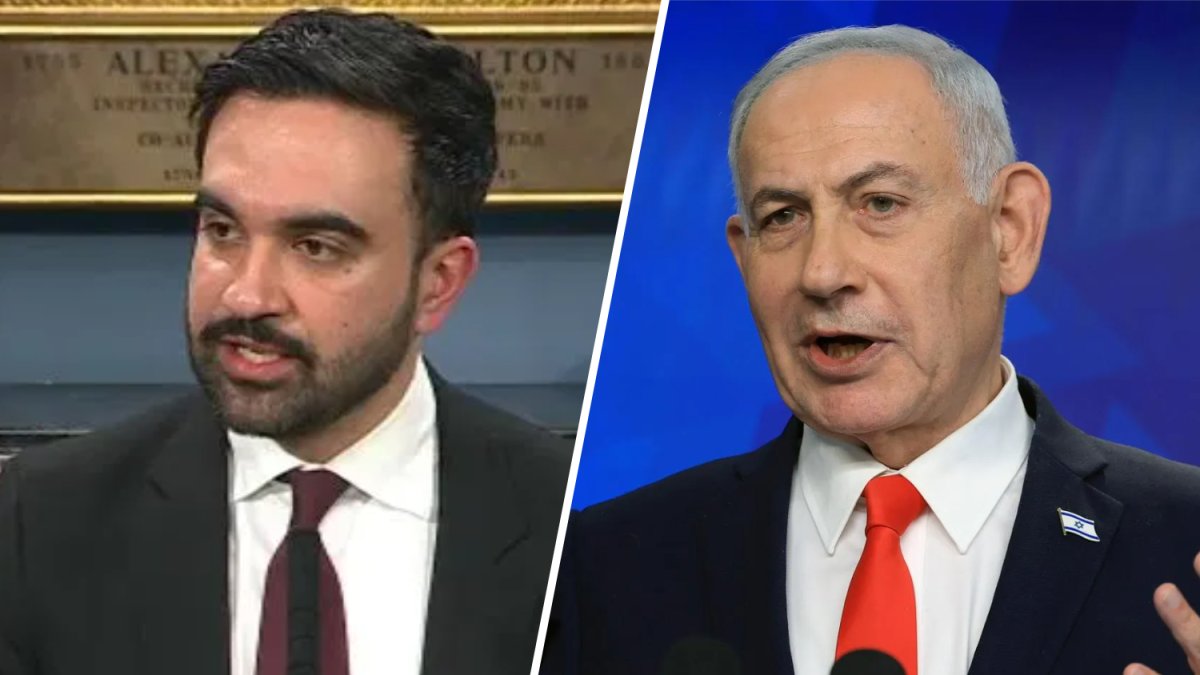
New York City Mayor Zohran Mamdani has stated he will not rule out the possibility of executing an arrest warrant for Israeli Prime Minister Benjamin Netanyahu should the leader visit New York for the United Nations General Assembly. The remarks, made during a recent appearance on the podcast The Interview, have prompted immediate pushback from federal officials and legal experts regarding the limits of municipal authority.
Mamdani, who previously campaigned on a platform that included honoring International Criminal Court (ICC) warrants, noted that his administration is currently reviewing the legal landscape with the city’s legal department. “I believe that Prime Minister Netanyahu belongs in The Hague. He’s a war criminal who has been charged by the International Criminal Court,” Mamdani said during the broadcast. When pressed on the practical application of such an arrest, he added, “That’s an active conversation with our legal department in seeing what the prospects are we have here in our municipality.”
Legal Precedents and Federal Jurisdiction
The assertion that local law enforcement could execute an international warrant against a sitting head of state faces significant hurdles under United States law. Legal experts and former prosecutors have noted that the U.S. is not a signatory to the Rome Statute, the treaty that established the ICC, and therefore does not recognize the court’s jurisdiction over its territory. Furthermore, federal law generally preempts local attempts to intervene in foreign policy or diplomatic matters.

This agreement provides specific diplomatic protections and immunities to representatives of member states. Legal analysts warn that any attempt by local police to enforce an ICC warrant could result in federal charges against the officials involved, including potential conspiracy counts, as foreign policy and the recognition of international legal bodies remain the exclusive purview of the federal government.
Response from Federal Authorities
The comments drew a sharp rebuke from U.S. Ambassador to the United Nations Mike Waltz. In a post on X, formerly Twitter, Waltz dismissed the mayor’s rhetoric as “pure political theater” and outlined four primary reasons why such an arrest would be legally impossible. Waltz cited the lack of U.S. participation in the Rome Statute, the diplomatic protections afforded by the U.N. Headquarters Agreement, the principle of head-of-state immunity, and the supremacy of federal authority over municipal dictates.
Mayor Mamdani: here’s why your threat to arrest PM Netanyahu’s in NYC during UNGA is not going to happen. 1. The U.S. is not party to the Rome Statute that underlies the ICC, 2. The UN Headquarters Agreement grants diplomatic protections to visiting heads of gov’t, 3. head-of-state immunity applies, & 4. federal authority trumps any local mayor’s wishes. This is pure political theater. https://t.co/example
— Mike Waltz (@mikewaltz) Date of Post
The tension between the municipal government’s stated intent and the established realities of international diplomacy remains a point of contention as the city prepares for the upcoming diplomatic cycle.
Municipal Policy and Enforcement
While Mayor Mamdani has emphasized his intent to “follow the laws that we have here in New York City,” the practical path forward remains unclear.
As the U.N. General Assembly approaches, the debate highlights the friction between local political platforms and the rigid framework of federal and international law. Readers interested in the official diplomatic protocols and the status of U.S.-ICC relations can find further documentation through the U.S. Department of State’s official website.
Related reading