
Nordic Markets Show Resilience as Stockholm Stock Exchange Recovers from Geopolitical Shock
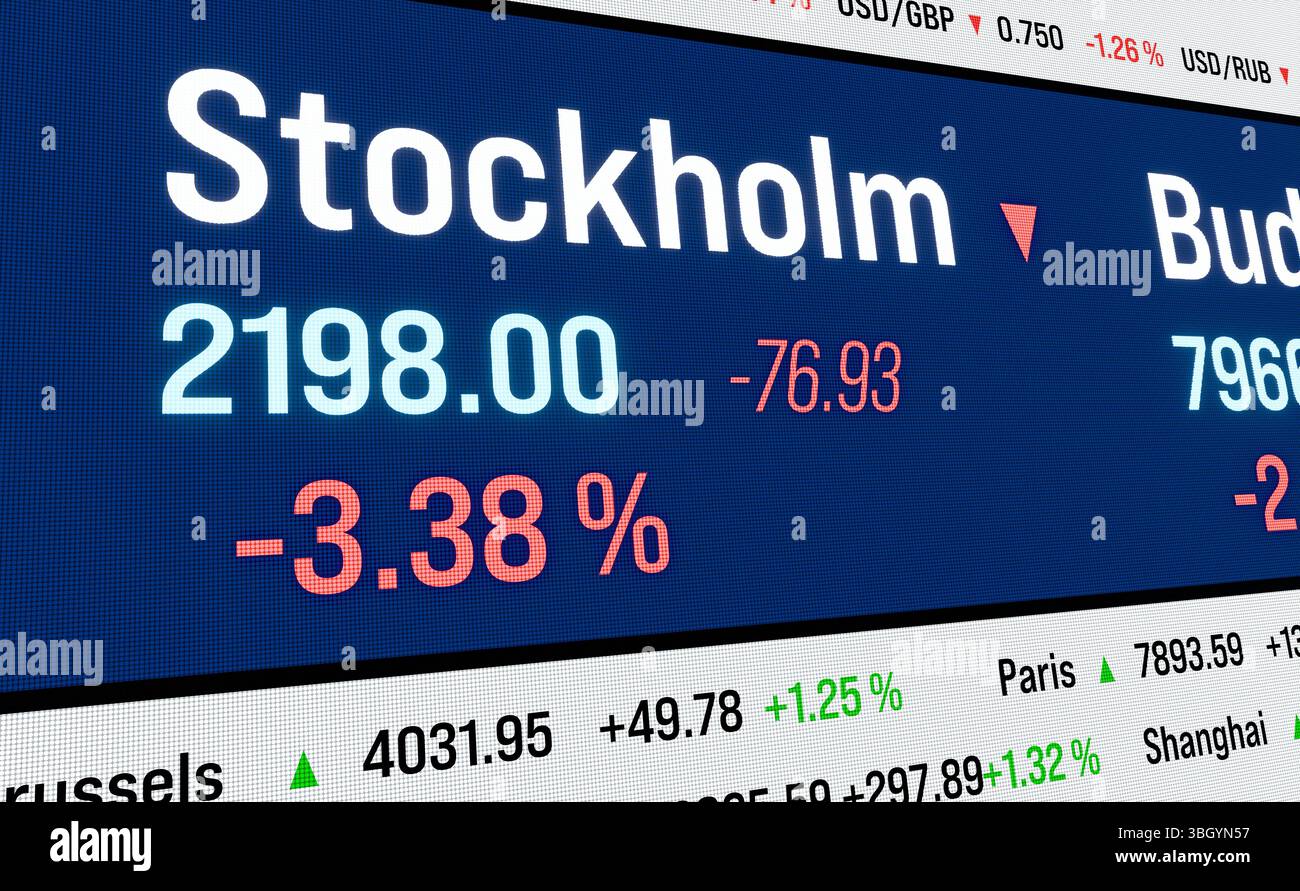
Nordic stock markets are demonstrating remarkable resilience following a period of sharp volatility triggered by geopolitical developments. After a steep decline in early May—when new reports on regional tensions sent shockwaves through European equities—the Stockholm Stock Exchange (OMXS30) and other Nordic benchmarks have staged a broad-based recovery, with analysts citing strong corporate fundamentals and investor confidence in long-term growth prospects.
The rebound comes as European markets digest the economic implications of recent geopolitical events, including tensions in the Middle East and their potential impact on global supply chains. While the OMXS30 remains below its early-May peak, the recovery has been led by blue-chip stocks such as Ericsson, Boliden and EQT—companies that have demonstrated operational stability and exposure to high-growth sectors like technology and sustainable energy.
“The correction was sharp, but it was also overdue,” said a senior analyst at SEB, noting that Nordic markets had been overvalued relative to earnings growth. “The rebound reflects both technical buying and a reassessment of fundamentals. Investors are now focusing on dividend stability and long-term earnings power rather than short-term geopolitical noise.”
Key Drivers Behind the Nordic Market Recovery
Three primary factors are underpinning the recovery:

- Corporate dividend strength: Nordic companies, particularly in the technology and mining sectors, have maintained robust dividend policies even amid volatility. Analysts expect total dividends from listed companies in 2026 to reach approximately SEK 327 billion, up from SEK 298 billion in 2025, according to recent projections from major brokerages.
- Geopolitical risk pricing: While tensions in the Middle East initially triggered sell-offs, markets have since priced in a scenario where the conflict remains contained, reducing near-term systemic risks to Europe.
- Sector rotation: Investors are shifting from defensive plays (such as utilities and healthcare) back into cyclical sectors like industrials and financials, which have outperformed in recent weeks.
Ericsson Leads the Charge in Tech
Ericsson, the Swedish telecom giant, has been a standout performer, benefiting from strong demand for its 5G infrastructure and AI-driven network solutions. The company’s shares rose by nearly 8% in the past week alone, driven by a series of high-profile contracts in Asia and Europe. Analysts attribute the rally to Ericsson’s ability to deliver consistent earnings growth even as competitors face margin pressures.
“Ericsson is a proxy for the broader tech sector’s resilience,” said a report from Goldman Sachs. “Its exposure to next-generation networks and enterprise AI solutions positions it well for the post-recession recovery phase.”
Boliden and EQT Drive Green Energy and Private Equity Growth
The recovery has also been fueled by gains in the green economy and private equity sectors. Boliden, the Swedish mining company focused on sustainable metals production, saw its shares climb after announcing expanded capacity for battery-grade metals, which are in high demand for electric vehicle production. Meanwhile, EQT, Europe’s largest private equity firm, has benefited from strong IPO activity in its portfolio, with several of its holdings surpassing valuation expectations.
“The green transition is not just a thematic play—it’s a structural tailwind for Nordic economies,” noted a recent analysis by Handelsbanken. “Companies like Boliden are well-positioned to capitalize on the energy transition, while EQT’s focus on high-growth European assets is paying off.”
What Happens Next: Market Outlook and Risks
While the near-term outlook for Nordic markets appears stable, several risks could derail the recovery:
- Escalation in geopolitical tensions: Any further deterioration in Middle East relations or new flashpoints in Eastern Europe could trigger another sell-off, particularly in energy and defense-related stocks.
- Monetary policy divergence: The European Central Bank’s stance on interest rates will be closely watched. If the ECB signals a prolonged period of high rates, growth-sensitive sectors may face headwinds.
- Corporate earnings season: The next major catalyst will be the Q2 earnings reports from Nordic heavyweights, scheduled to begin in late June. Any downward revisions to guidance could pressure the market.
For investors, the current environment presents both opportunities and challenges. “The recovery is real, but it’s not a one-way bet,” warned a portfolio manager at Amundi. “Diversification remains key, with a tilt toward companies that can weather both geopolitical shocks and economic slowdowns.”
Where to Find Official Updates
Investors and analysts can track the latest developments through:

- Nasdaq Stockholm – Real-time market data and corporate filings.
- Affärsvärlden – Swedish business news and market analysis.
- Reuters Europe Markets – Global coverage of Nordic equities.
- European Central Bank – Monetary policy updates affecting Nordic markets.
Key Takeaways
- The Stockholm Stock Exchange (OMXS30) has rebounded from a May sell-off triggered by geopolitical tensions, with broad-based gains across sectors.
- Nordic markets are benefiting from strong corporate dividends, sector rotation, and resilience in technology and green energy stocks.
- Ericsson, Boliden, and EQT are leading the recovery, reflecting investor confidence in long-term growth drivers.
- Risks remain, including further geopolitical escalation, monetary policy shifts, and corporate earnings outcomes.
- Investors should monitor Q2 earnings reports (starting late June) and ECB policy signals for the next major market moves.
The road ahead for Nordic markets will depend on how geopolitical risks evolve and whether corporate earnings can sustain the recovery. With dividends at record levels and green energy investments paying off, the foundation for stability appears solid—but vigilance remains essential. What are your thoughts on the market’s trajectory? Share your insights in the comments below, and don’t forget to follow World Today Journal for ongoing coverage.