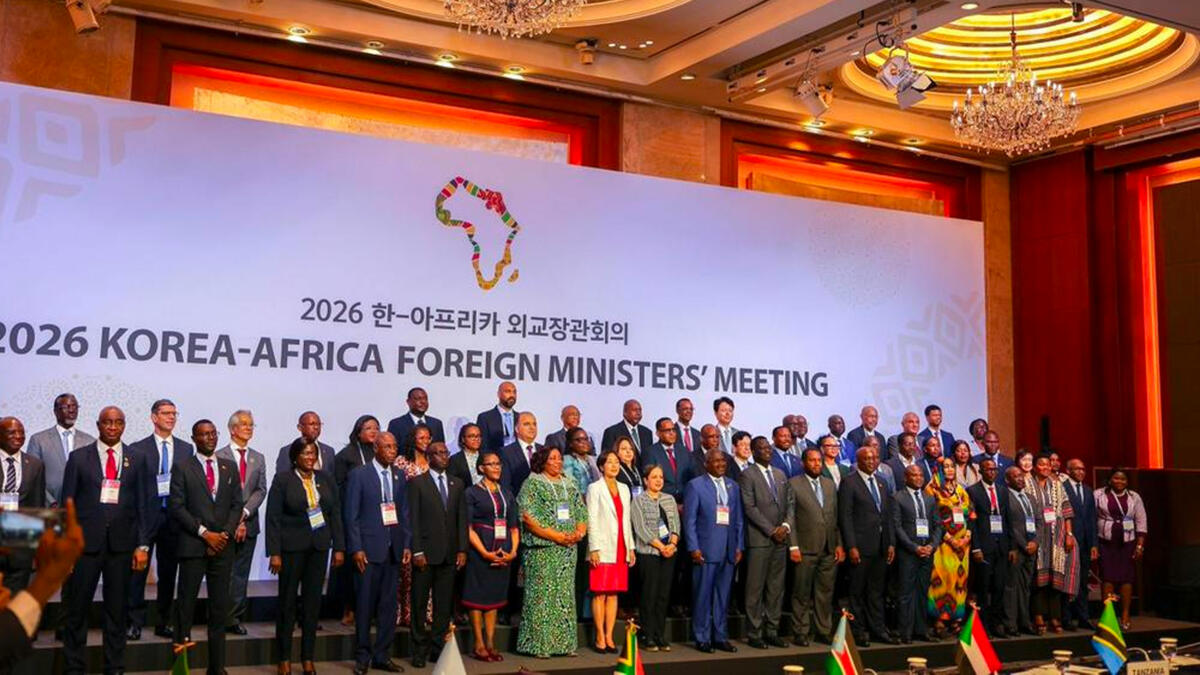
The landscape of international economic cooperation underwent a significant recalibration in June 2024 as Seoul hosted the inaugural Korea-Africa Summit. This high-level diplomatic gathering brought together leaders and representatives from 48 African nations, signaling a strategic shift in South Korea’s foreign policy as it seeks to diversify supply chains and expand its footprint in emerging markets. At the heart of the proceedings were three pillars that define modern industrial sovereignty: critical mineral security, artificial intelligence (AI) integration, and the expansion of bilateral trade frameworks.
As the global economy grapples with the transition to green energy, South Korea—a powerhouse in semiconductor manufacturing and electric vehicle (EV) production—is increasingly looking toward the African continent to secure the raw materials necessary for its high-tech industries. The summit, which took place from June 4 to June 5, 2024, culminated in the adoption of a joint declaration emphasizing a “mutually beneficial” partnership, according to official reports from the event. For investors and policymakers, this meeting represents more than just diplomatic pageantry; it is a calculated move to integrate African resource wealth with Korean technological prowess.
Strategic Alignment: Critical Minerals and Industrial Supply Chains
The primary driver behind the heightened interest in Africa is the urgent need for critical minerals. South Korea’s industrial sector, dominated by global giants like Samsung, LG, and Hyundai, is heavily reliant on imports for materials such as lithium, cobalt, nickel, and graphite. During the summit, the South Korean government pledged to provide $10 billion in development aid to African nations by 2030, a move designed to facilitate infrastructure projects and foster deeper cooperation on resource exploration, as noted by international observers.
This “Critical Minerals Dialogue” is not merely about extraction; it is about establishing value-added processing capabilities within African countries. By supporting the development of local refineries and processing plants, Seoul aims to mitigate the risks associated with volatile global supply chains. This strategy aligns with the broader “Global Korea” initiative, which seeks to position the nation as a pivotal player in the global green transition while reducing dependency on any single market for raw material inputs.
The Role of Artificial Intelligence in Economic Development
Beyond the physical mining of resources, the summit underscored the transformative potential of Artificial Intelligence. South Korean President Yoon Suk Yeol emphasized that technology transfer and digital transformation are central to the proposed partnership. The objective is to assist African nations in building digital infrastructure, which is considered a prerequisite for modernizing agriculture, optimizing logistics, and improving public service delivery across the continent.

For many African economies, the integration of AI is viewed as a “leapfrogging” opportunity. By adopting AI-driven solutions in areas like precision farming and predictive maintenance for energy grids, nations can bypass legacy systems. Seoul has committed to sharing its expertise through technical training programs and joint R&D initiatives, aiming to create a sustainable digital ecosystem that benefits both the African tech sector and Korean firms looking to expand their service markets.
Trade Frameworks and the Future of Economic Integration
The summit also focused on the Economic Partnership Agreements (EPAs) and Trade and Investment Promotion Frameworks (TIPFs). These legal instruments are designed to provide a predictable environment for private sector investment. By lowering trade barriers and harmonizing regulatory standards, the agreements aim to boost the volume of trade between South Korea and the African continent, which has historically trailed behind other major economies like China and the European Union.
Key areas of focus for these trade frameworks include:
- Energy Infrastructure: Collaborating on the construction of power plants and renewable energy projects to address the electricity deficit in many African regions.
- Logistics and Connectivity: Developing ports and transportation networks to facilitate the movement of goods and resources.
- Sustainable Agriculture: Implementing smart-farming technologies to enhance food security and agricultural productivity.
The success of these initiatives will depend on the implementation of the $10 billion pledge and the ability of private enterprises to navigate local regulatory landscapes. According to official government communications, the South Korean Ministry of Foreign Affairs has stated that these partnerships will be monitored through annual review meetings to ensure that development goals are met in a transparent and effective manner.
Key Takeaways from the Seoul Summit
| Focus Area | Primary Objective |
|---|---|
| Critical Minerals | Secure supply chains via exploration and local processing. |
| AI & Digital Tech | Technology transfer and digital infrastructure development. |
| Financial Support | $10 billion in development aid pledged by 2030. |
| Trade Policy | Establishment of EPAs and TIPFs to streamline commerce. |
Looking Ahead: What Comes Next?
As the initial excitement of the summit settles, the focus shifts to the implementation phase. The next critical checkpoint for these commitments will be the follow-up ministerial meetings scheduled for 2025, where specific project pipelines will be evaluated. Investors and policy analysts will be watching closely to see how the $10 billion in aid is allocated and whether the projected partnerships lead to tangible shifts in industrial output and trade volumes.
For businesses looking to engage with these emerging opportunities, the path forward involves closely monitoring the specific trade frameworks as they are ratified by participating African governments. The integration of AI and the securing of critical mineral supply chains will likely remain the dominant narrative in Korea-Africa relations for the remainder of the decade. We encourage our readers to stay tuned to the World Today Journal for ongoing updates on these developments as they unfold on the ground. We invite you to share your thoughts in the comments section below regarding the impact of these economic partnerships on your local markets.
Worth a look