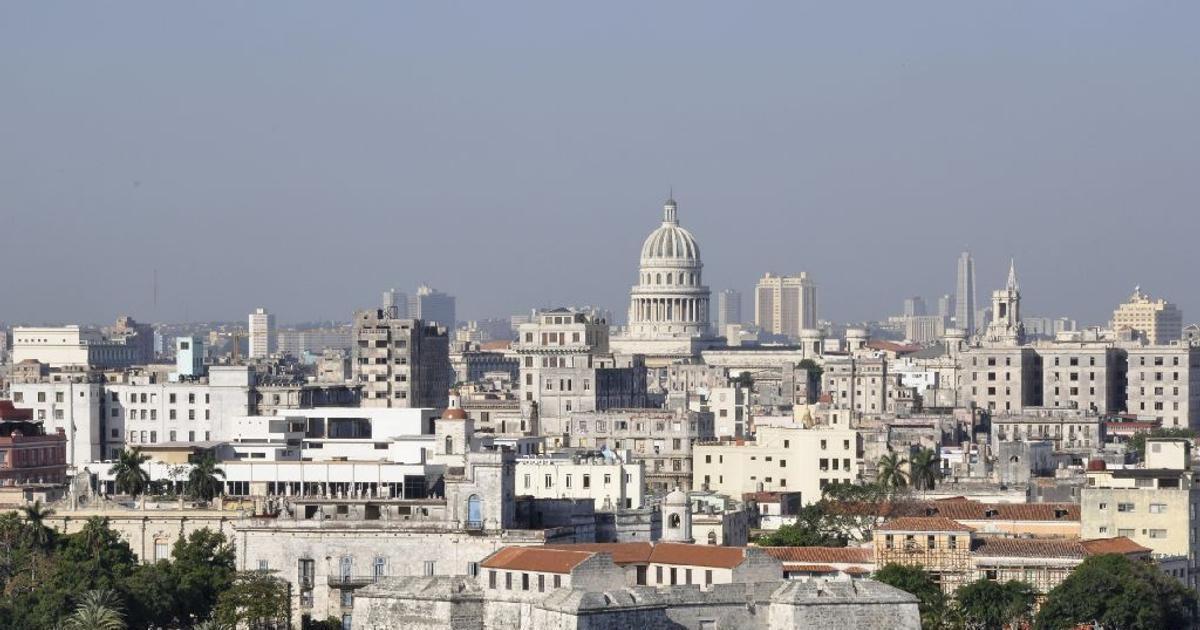
The landscape of Cuba’s hospitality sector is undergoing a significant transformation as several major international hotel chains reevaluate their presence on the island. For decades, foreign investment—particularly from European hospitality giants—has been the backbone of the Cuban tourism industry, providing the infrastructure and management expertise necessary to attract international travelers. However, recent economic volatility, shifting regulatory environments, and the complexities of operating within a centralized economy have led to a noticeable contraction in these partnerships.
As the Editor of the World section here at World Today Journal, I have spent over 14 years tracking the intersection of geopolitics and private enterprise. The current situation in Havana and beyond is not merely a business story. it is a barometer for the broader economic challenges facing Cuba today. International hotel operators are now navigating a precarious balance between maintaining their global brand standards and managing the operational hurdles inherent in the current Cuban market.
The primary driver of this shift is a confluence of factors, including persistent foreign currency shortages, supply chain disruptions, and the ongoing impact of U.S. Sanctions, which complicate financial transactions for companies with significant American exposure. While the Cuban government has historically sought to position tourism as a pillar of its economic recovery, the reality for foreign investors—who often operate under joint ventures with state-owned entities like Gaviota or Cubanacán—has become increasingly strained.
Understanding the Shift in Cuba’s Tourism Strategy
For many years, the model for foreign hotel management in Cuba was built on stability and growth. European firms, particularly those based in Spain, were the first to move in as the country opened up to international tourism in the 1990s. These companies provided the capital and operational “know-how” while the Cuban state provided the land and labor force. Today, however, that model is under immense pressure. According to reports from Reuters, the Cuban government has faced extreme difficulty in maintaining basic tourism infrastructure, leading to a decline in service quality that directly affects the bottom line for international managers tasked with maintaining luxury standards. Data from the National Office of Statistics and Information (ONEI) indicates that while tourist arrivals have shown a post-pandemic recovery, they remain significantly below the levels seen in 2019, leaving hotels under-occupied and struggling to cover operational costs.
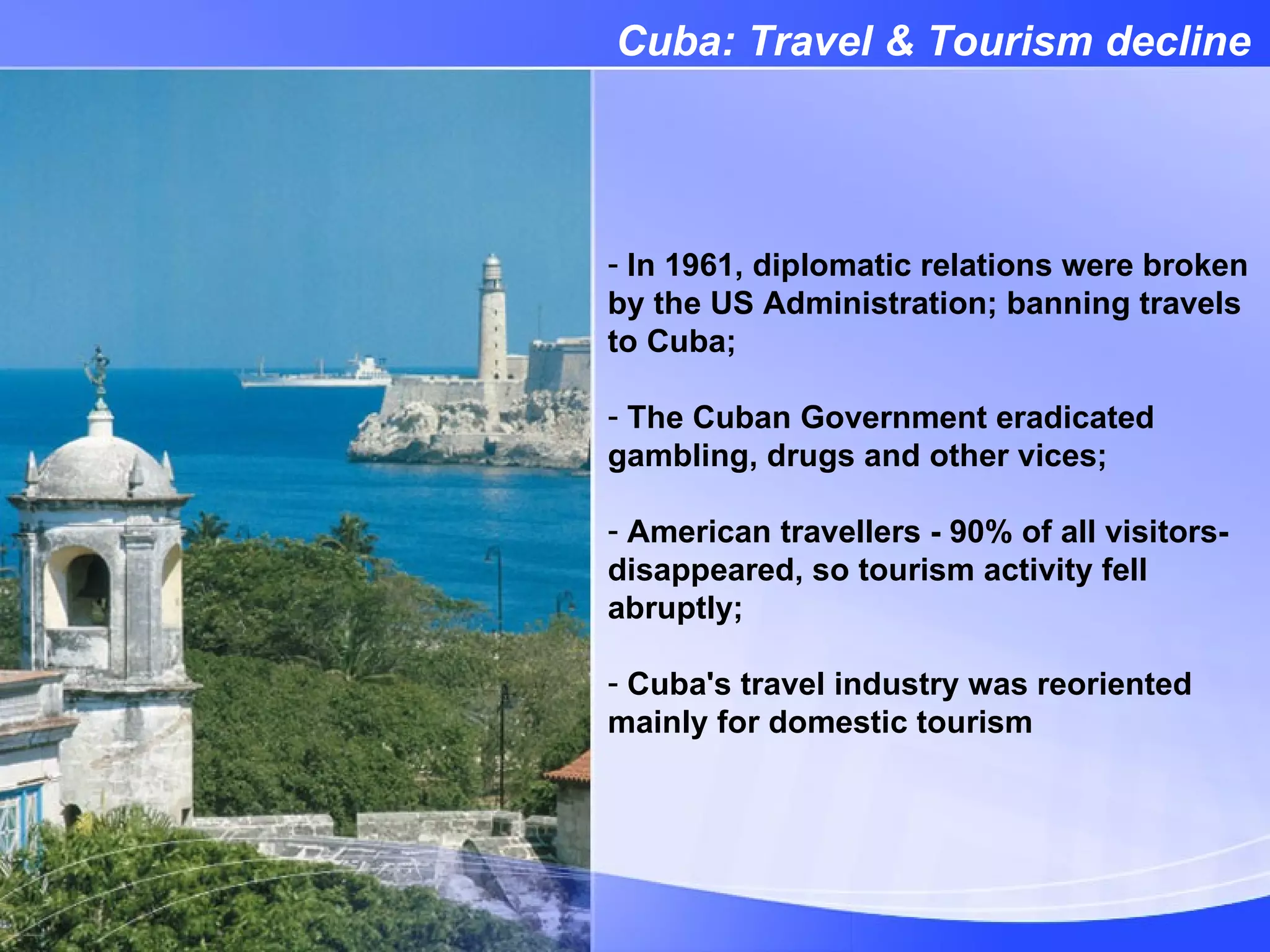
The “why” behind these departures or scaled-back operations is multifaceted. Beyond the obvious economic constraints, there is the issue of payment. Foreign companies have frequently reported delays in receiving their share of revenues, a problem exacerbated by the island’s lack of accessible foreign currency. When a hotel cannot source basic goods—ranging from food and cleaning supplies to spare parts for air conditioning—the brand reputation of the international manager suffers, leading many to conclude that the risks of remaining in the market outweigh the potential rewards.
The Role of U.S. Sanctions and Financial Complexity
It is impossible to discuss the business environment in Cuba without addressing the role of the United States embargo. For multinational corporations with operations in the U.S. Or that rely on the U.S. Financial system, the “Title III” provisions of the Helms-Burton Act remain a significant deterrent. This legislation allows U.S. Citizens to sue companies that “traffic” in property confiscated by the Cuban government after the 1959 revolution. While many international chains have navigated these legal waters for years, the heightened enforcement and the political climate in Washington have made risk management departments within these firms increasingly cautious.
the designation of Cuba as a State Sponsor of Terrorism by the U.S. Department of State creates additional layers of scrutiny for international banks. As noted by the U.S. Department of State’s official portal, this designation triggers strict financial sanctions that make it difficult for any entity, including hotel chains, to process payments or secure international lines of credit for their Cuban operations. This financial “chokepoint” is perhaps the most significant barrier to operational efficiency for foreign firms currently on the island.
Impact on the Ground: What It Means for Travelers
For the average traveler, the changes in the hotel landscape may manifest as a consolidation of services. Some properties that were previously managed under international luxury banners may be transitioned to domestic management or see a reduction in the range of amenities offered. It is a period of transition that requires prospective visitors to manage their expectations regarding service levels and availability.
The Cuban government has attempted to mitigate these exits by seeking new partnerships, including looking toward markets in Russia and China to fill the void left by Western firms. However, these transitions are rarely seamless. The integration of different management cultures, coupled with the existing logistical challenges, means that the hospitality sector will likely remain in a state of flux for the foreseeable future. Travelers are encouraged to monitor official travel advisories, such as those provided by the U.S. Department of State or their respective national foreign ministries, to stay informed about potential disruptions in accommodation services.
Key Takeaways for Stakeholders
- Operational Challenges: Persistent shortages of imported goods and foreign currency remain the primary hurdles for international hotel operators.
- Financial Risk: The complexity of the U.S. Sanctions regime continues to influence the risk-reward calculus for major global hospitality brands.
- Market Transition: A shift is occurring where some traditional Western operators are exiting or reducing their footprints, creating openings for investors from other geopolitical spheres.
- Visitor Awareness: Travelers should verify the current status of their chosen accommodations, as management changes can impact service delivery and facility status.
Looking Ahead: The Next Phase of Cuban Tourism
The next major checkpoint for this sector will be the upcoming annual tourism summit in Cuba, where the government is expected to outline its new strategy for attracting foreign direct investment (FDI). Observers are closely watching for any potential easing of financial regulations that might allow for more stable profit repatriation for foreign firms. As of this writing, there have been no official announcements regarding major legislative overhauls that would fundamentally alter the current impasse.
As we continue to monitor this story, I encourage our readers to share their own experiences or observations regarding travel and business in the region. The evolution of Cuba’s economic model is a complex, ongoing process, and understanding the nuances of the hospitality sector is vital to grasping the larger picture. Stay tuned to World Today Journal for further updates as we continue our coverage of global economic shifts.
Have you noticed changes in your travel experiences to the Caribbean recently? We welcome your perspectives in the comments section below.