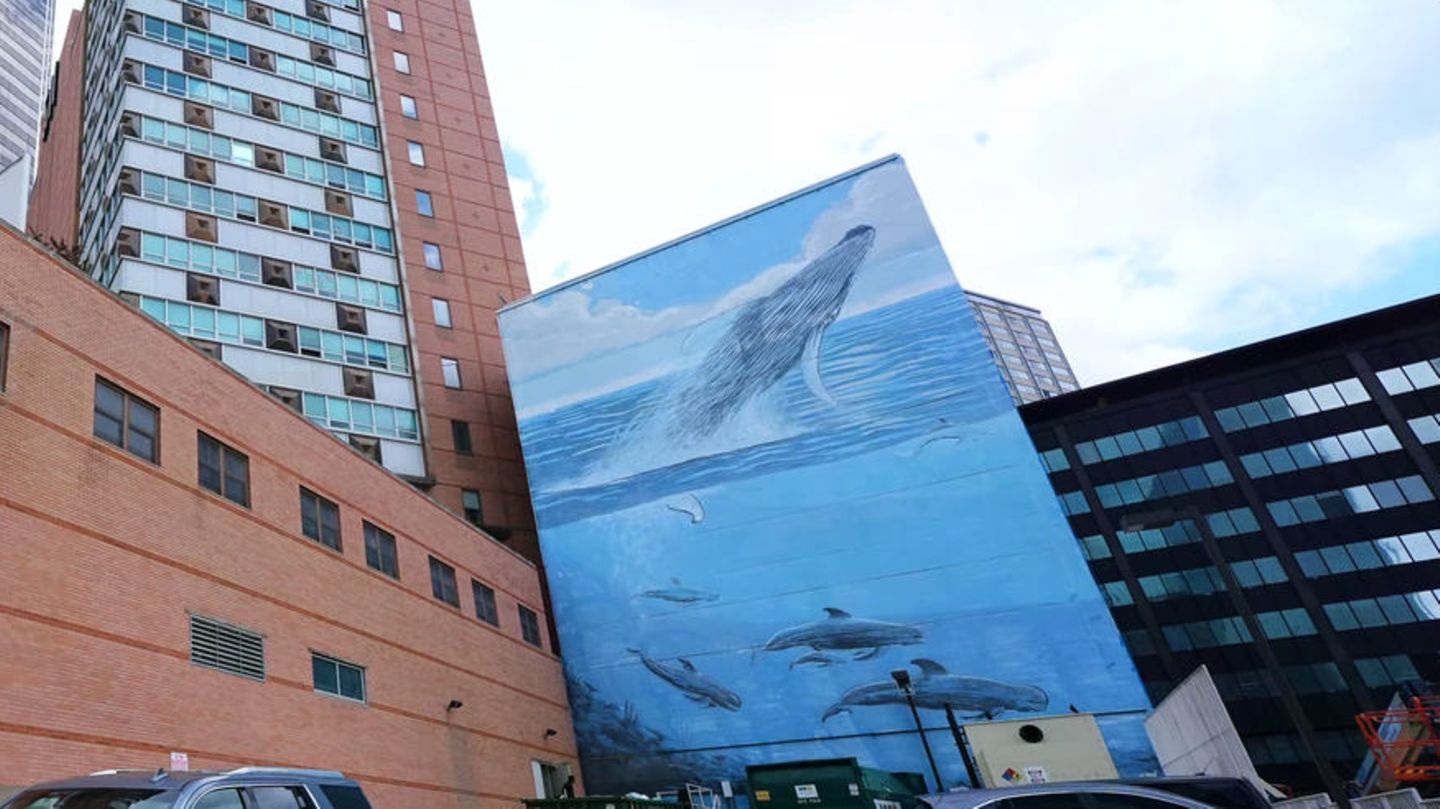
The intersection of public art and global commercial interests has once again become a flashpoint for legal discourse. In Dallas, Texas, a dispute involving the unauthorized alteration of a mural has escalated into a high-stakes litigation, raising significant questions regarding the rights of artists under the Visual Artists Rights Act (VARA) as the city prepares for major international sporting events. At the center of the controversy is a claim brought by a local artist against the Fédération Internationale de Football Association (FIFA) and associated commercial entities, alleging that their work was obscured or destroyed to make way for promotional branding ahead of the upcoming 2026 FIFA World Cup.
As an international correspondent who has spent over a decade documenting the tension between corporate expansion and local cultural preservation, I find this case particularly illustrative of the modern conflict between urban development and moral rights. The lawsuit, currently navigating the United States District Court for the Northern District of Texas, centers on the assertion that the artist’s intellectual property was disregarded in a rush to secure marketing visibility in a high-traffic urban corridor. This is not merely a local property dispute; it touches upon the global Visual Artists Rights Act of 1990, which provides certain protections for authors of works of visual art, specifically regarding integrity and attribution.
The Legal Framework: Protecting Public Murals
At the heart of the legal argument is the question of whether the mural in question qualifies for protection under federal law. VARA grants artists the right to prevent the destruction of a work of “recognized stature,” and the removal or alteration of such a work can trigger significant financial liability. Legal analysts observing the proceedings note that the outcome will likely hinge on the specific contractual agreements between the property owners, the city of Dallas, and the entities responsible for the installation of the FIFA-related advertisements.
According to filings in the Northern District of Texas, the plaintiff is seeking damages in the millions, citing both the loss of the physical work and the reputational damage associated with the unauthorized overpainting. Historically, similar cases—such as the landmark 5Pointz litigation in New York—have set a precedent that developers and commercial entities must act with extreme caution when dealing with public art that has achieved a level of cultural significance within its community.
Commercial Interests vs. Community Identity
The 2026 FIFA World Cup is set to be the largest in history, with host cities across North America preparing for an unprecedented influx of visitors and corporate sponsors. In cities like Dallas, the pressure to transform urban spaces into commercial “fan zones” or promotional hubs is immense. However, this commercialization often clashes with the organic aesthetic identity of the neighborhoods chosen for these activations.

Critics of the current approach argue that FIFA’s aggressive branding requirements often ignore local zoning ordinances and existing cultural landmarks. When a mural is painted over, This proves not just paint that is lost; it is a piece of the neighborhood’s social fabric. The FIFA Statutes and legal guidelines generally emphasize the organization’s commitment to respecting local laws, yet the operational reality on the ground—often managed by third-party contractors and local organizing committees—frequently leads to friction with local stakeholders.
Key Considerations for the Ongoing Litigation
- VARA Compliance: Did the mural meet the “recognized stature” threshold required for federal protection?
- Contractual Liability: To what extent are the property owners liable versus the organizers who commissioned the advertisements?
- Mitigation Efforts: Were there attempts by the organizers to notify the artist or provide an opportunity for the work to be relocated or preserved?
- Precedent Value: How will a ruling here influence the treatment of public art in future host cities for major international events?
What Happens Next?
The court has yet to set a firm trial date, as the discovery phase remains ongoing. Both parties are currently exchanging evidence related to the initial permits for the mural and the subsequent contracts issued for the World Cup branding campaigns. For the artist, the objective is twofold: to seek financial restitution and to establish a precedent that prevents the future erasure of public works without due process.

For those following this case, official updates can be monitored through the Public Access to Court Electronic Records (PACER) system, which provides the most accurate, real-time documentation of case filings and scheduled hearings. As this story develops, it serves as a stark reminder that as cities transform for global spectacles, the voices of the artists who have long defined those spaces must remain a central part of the conversation.
This is an evolving story. We will continue to track the legal filings in Dallas as the 2026 World Cup approaches. Have you seen similar disputes in your own community? Share your thoughts and local perspectives in the comments section below.
Keep reading