
In the complex landscape of Portuguese industrial relations, the recent legal developments surrounding the Metro de Lisboa and the Transtejo Soflusa ferry services have created a significant challenge for commuters. As labor disputes escalate, the absence of mandated minimum services for these specific transport sectors has become a focal point of public debate, highlighting the friction between the right to strike and the necessity of maintaining essential mobility for the population.
The situation stems from a broader context of labor unrest, where the definition and implementation of “essential services” during a general strike have been tested in the courts. Unlike other sectors where arbitration or legal mandates often ensure a baseline of operational capacity, these specific providers have found themselves in a unique position regarding their obligations to the public during periods of industrial action. For a detailed overview of the regulatory framework governing these labor disputes, readers can consult the official portal of the Direção-Geral do Emprego e das Relações de Trabalho.
Understanding the Legal Landscape of Minimum Services
The core of the current controversy lies in the judicial assessment of what constitutes an essential service. In Portugal, the Constitution of the Portuguese Republic enshrines the right to strike, yet this right must be balanced against other constitutional imperatives, such as the right to freedom of movement and the provision of essential public services. When unions call for a general strike, the administrative authorities often seek to establish “minimum services” to prevent a total paralysis of the transport network.
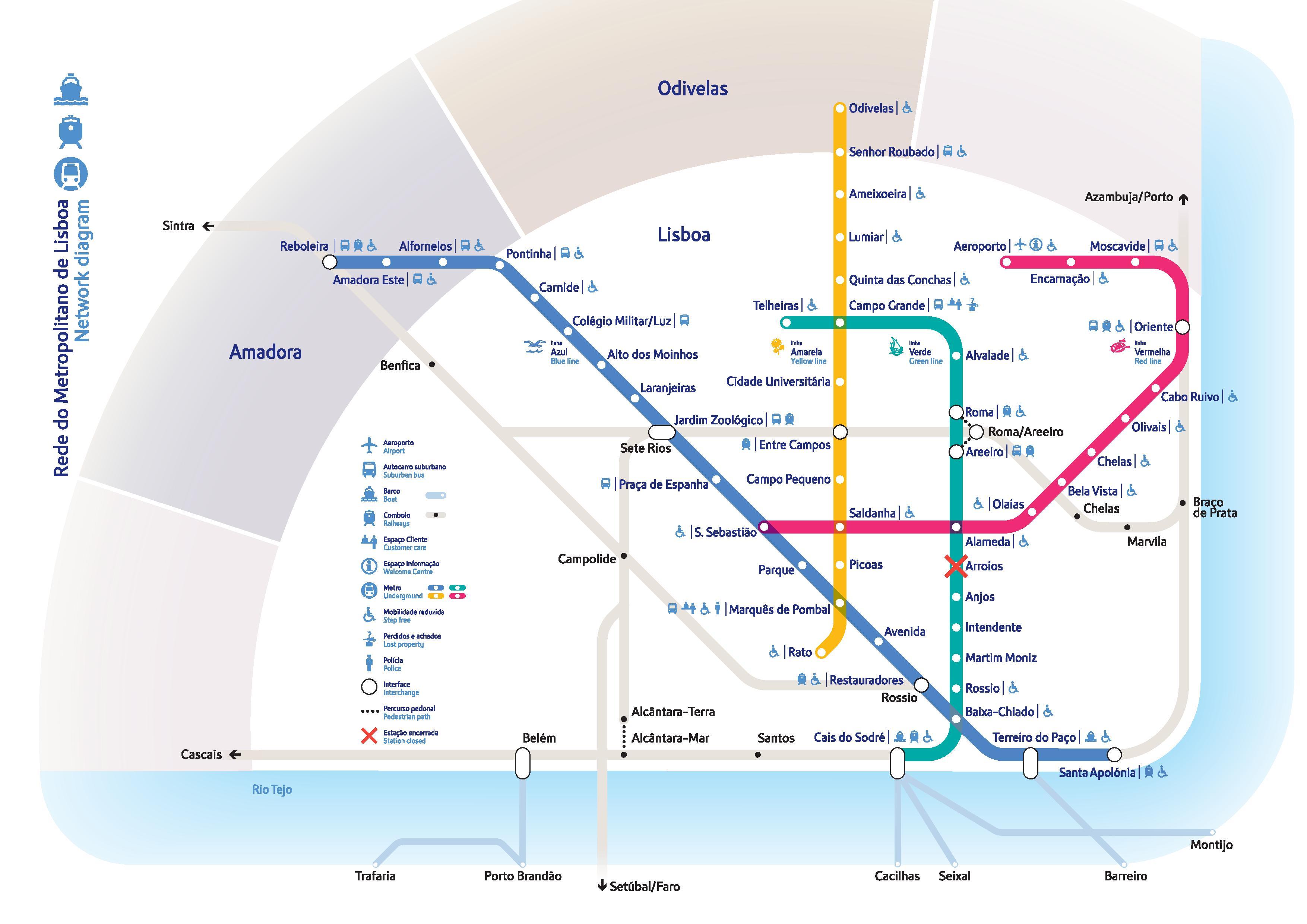
In the case of the Metro de Lisboa, judicial rulings have recently confirmed the denial of mandatory minimum services during specific strike actions. This decision reinforces the legal autonomy of the strike movement in this sector, meaning that for the duration of the industrial action, the service may be subject to total or near-total suspension. This presents a stark contrast to other public transport entities where the courts have intervened to ensure that a percentage of routes remains active to facilitate the movement of workers and students.
Impact on Commuter Mobility
The implications for the daily lives of residents in the Lisbon metropolitan area are profound. With the Metro and the Transtejo ferry services—which connect the capital to the south bank of the Tagus River—operating without the cushion of minimum services, the city’s transit capacity is severely constrained. The Transtejo Soflusa network, a vital artery for thousands of daily commuters, has reported significant constraints and operational disturbances, directly impacting the flow of traffic across the metropolitan region.

To stay informed about real-time disruptions, passengers are encouraged to monitor official communications. The Metro de Lisboa website and the Transtejo Soflusa portal serve as the primary sources for service status updates and contingency planning. During these periods, commuters are advised to seek alternative modes of transport, such as private buses or regional train services, though these are also likely to face increased demand.
Labor Relations and Allegations of Pressure
Beyond the legal rulings, the atmosphere within these transit companies has been marked by heightened tensions between labor unions and management. Reports have emerged from various union representatives regarding alleged pressure tactics aimed at influencing the participation of workers in the general strike. These claims of administrative overreach have added a layer of complexity to the ongoing negotiations, as unions argue that such actions undermine the democratic exercise of labor rights.
The Conselho Económico e Social, which oversees mediation in industrial relations, remains a key reference point for understanding the mechanisms intended to resolve such disputes. As the situation remains fluid, the focus remains on whether future negotiations can bridge the gap between management’s operational requirements and the unions’ demands for better working conditions and remuneration.
Moving Forward: What Commuters Should Know
As of June 2026, the situation remains a developing story with no immediate resolution in sight. The lack of minimum services in these sectors serves as a reminder of the fragility of urban mobility in the face of widespread industrial action. For those relying on public transport, the best strategy is to remain flexible and subscribe to official notification services provided by the transport operators.

The next major checkpoint in these labor negotiations will involve upcoming meetings between the Ministry of Infrastructure and union representatives, aimed at reviewing the current collective bargaining agreements. We encourage our readers to participate in the conversation by sharing their experiences with local transit disruptions below. Your insight helps us maintain a comprehensive view of the impacts of these events on the global community.
Worth a look