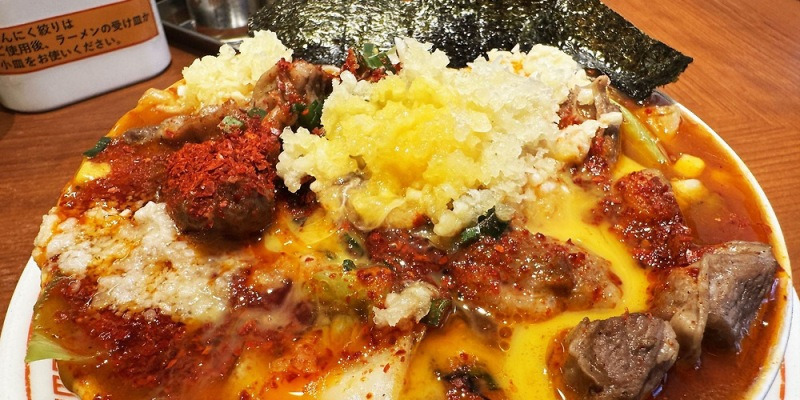
For travelers navigating the vibrant culinary landscape of Tokyo, finding a dining spot that balances authentic flavor with an innovative, guest-focused experience is a quintessential part of the journey. Among the city’s dense concentration of noodle shops, the ramen restaurant Soranoiro has carved out a distinct reputation, drawing both local residents and international visitors with its commitment to vegetable-forward dishes and creative broth profiles.
As a technology and lifestyle editor, I often look for the intersection of tradition and modern service. Tokyo’s ramen culture is notoriously competitive, yet establishments that prioritize transparency in ingredients and accessibility—such as those highlighted by the Japan National Tourism Organization’s culinary guides—consistently rise to the top of traveler recommendations. Soranoiro, founded by Chef Chihiro Miyazaki, is frequently cited for its “Veggie Soba,” which helped redefine the category for diners seeking plant-based options in a meat-centric industry.
Innovation in the Bowl: The Soranoiro Philosophy
The success of Soranoiro is rooted in its founder’s background. Chef Miyazaki, a former employee of the renowned Ippudo ramen chain, launched his own brand with the goal of making ramen more inclusive. By emphasizing high-quality vegetables and nuanced broth techniques, the restaurant attracts a diverse demographic, including those with dietary restrictions who might otherwise find traditional tonkotsu (pork bone) ramen inaccessible.
When visiting Tokyo, understanding the local dining etiquette is as important as choosing the right restaurant. Many popular ramen shops utilize ticket-vending machines to streamline the ordering process, a hallmark of Japan’s efficient service culture. According to official travel resources provided by the Japan National Tourism Organization, diners should be prepared to place their orders and pay via these machines upon entry, which helps minimize wait times during peak hours.
Navigating Tokyo’s Ramen Scene
Tokyo offers an unparalleled density of ramen shops, ranging from Michelin-starred establishments to humble counter-seating spots. For those planning a visit, It’s helpful to look for shops that specialize in regional variations of the dish, such as Shio (salt), Shoyu (soy sauce), or Miso. Soranoiro’s flagship location in Chiyoda City is often noted for its modern, clean aesthetic, which contrasts with the traditional, often cramped, “hole-in-the-wall” ramen shops found in older districts like Shinjuku or Ueno.
Travelers should also note that operating hours can vary significantly. Many popular spots in Tokyo maintain strict schedules, often closing between lunch and dinner service. It is highly recommended to check official social media channels or the restaurant’s official website for the most current information regarding seasonal menu changes or holiday closures before making the trip.
Practical Tips for the Ramen Enthusiast
- Timing: Arrive before the typical lunch rush (11:30 AM to 1:00 PM) to avoid the longest queues.
- Etiquette: While slurping noodles is considered a compliment to the chef in Japan, be mindful of the noise level in more upscale or quiet establishments.
- Ordering: If you are unsure about the menu, look for shops that offer English-language menus or pictorial guides, which are increasingly common in tourist-heavy areas.
The Future of Culinary Tourism in Japan
The evolution of ramen from a simple street food to a global culinary phenomenon reflects broader trends in Japanese hospitality, where precision and service quality remain paramount. As the tourism sector in Japan continues to rebound, the demand for authentic, high-quality dining experiences is at an all-time high. Establishments like Soranoiro serve as a bridge, offering a familiar, welcoming environment for international guests while maintaining the technical rigor expected by local food critics.

For those interested in tracking the latest developments in Japan’s food and beverage industry, the Ministry of Agriculture, Forestry and Fisheries frequently publishes reports on culinary trends and food safety regulations. These resources provide a stable foundation for understanding how restaurants across the country are adapting to the post-pandemic landscape.
Whether you are a first-time visitor to Tokyo or a seasoned traveler returning to your favorite districts, exploring the nuances of shops like Soranoiro offers a deeper appreciation for the city’s dedication to craft. As we look toward the remainder of the year, expect further updates on Tokyo’s dining scene as new seasonal menus are released. We invite our readers to share their own experiences with Tokyo’s ramen culture in the comments section below.
Keep reading