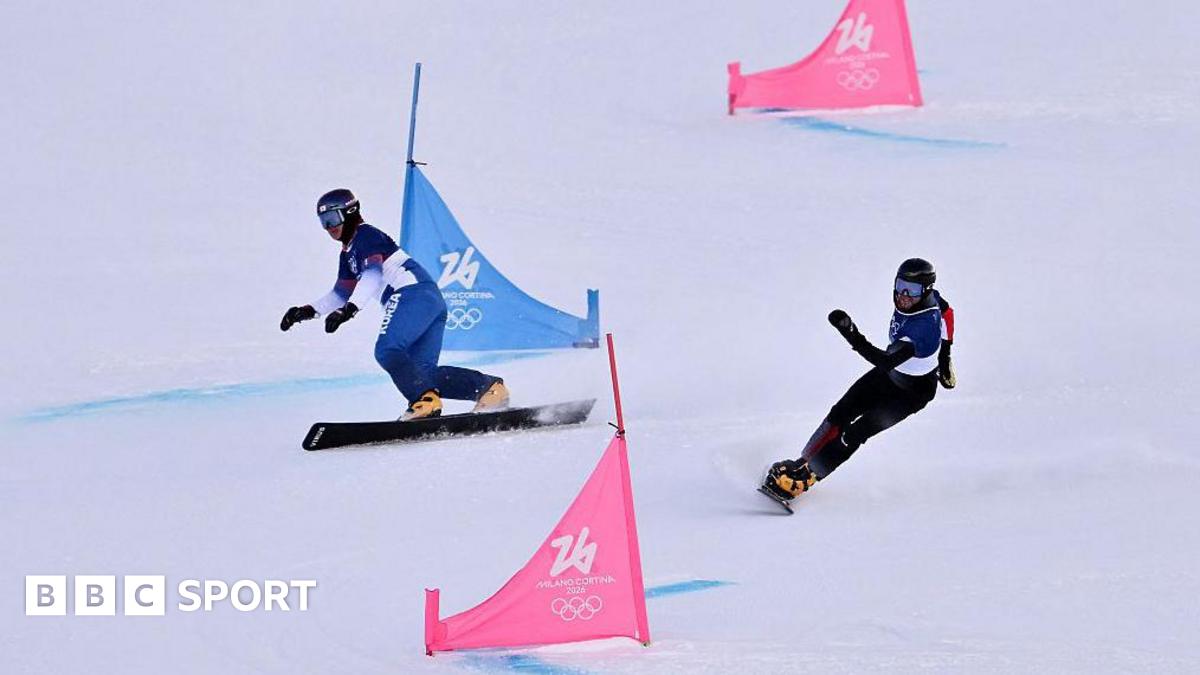
As the international sporting community shifts its gaze toward the horizon of the 2030 Winter Olympic Games, the International Olympic Committee (IOC) finds itself at a critical juncture regarding the composition of its program. Among the most pressing discussions is whether Nordic combined and parallel giant slalom will secure their places in the official lineup for the 2030 event, a decision that carries significant implications for athletes, federations, and the historical identity of the Winter Games.
The selection process for Olympic disciplines is governed by a rigorous set of criteria that balances tradition, gender equality, global participation, and television appeal. As the IOC Executive Board prepares for upcoming sessions to finalize the sport program, the future of these specific events remains a subject of intense scrutiny and debate within the sports world. For fans and competitors alike, the uncertainty surrounding the 2030 Winter Olympics program highlights the delicate tension between evolving the games to meet modern standards and preserving the heritage of winter sports.
The Future of Nordic Combined: A Legacy Under Review
Nordic combined—a unique discipline that pairs cross-country skiing with ski jumping—has been a staple of the Winter Olympics since the inaugural Games in Chamonix in 1924. However, the sport has faced mounting pressure regarding its long-term viability. The primary concern centers on its limited global reach and the current absence of a women’s competition, which stands in direct conflict with the IOC’s mandate for gender parity across the Olympic program.
In recent years, the International Ski and Snowboard Federation (FIS) has made significant efforts to promote women’s Nordic combined, holding world championships and developing a circuit for female athletes. Despite these advancements, the IOC has historically expressed reservations regarding the sport’s growth metrics. According to the official IOC policy on gender equality, the goal is to achieve 50% female participation at the Games, a benchmark that Nordic combined has struggled to meet within its traditional framework.
The “what it means” for athletes is profound: without inclusion in the 2030 program, the pathway for elite development in these sports could narrow significantly. National federations often prioritize funding for Olympic-recognized disciplines, meaning that a potential exclusion could trigger a ripple effect in training resources and youth development programs across Europe and North America.
Parallel Giant Slalom and the Evolution of Snowboard Events
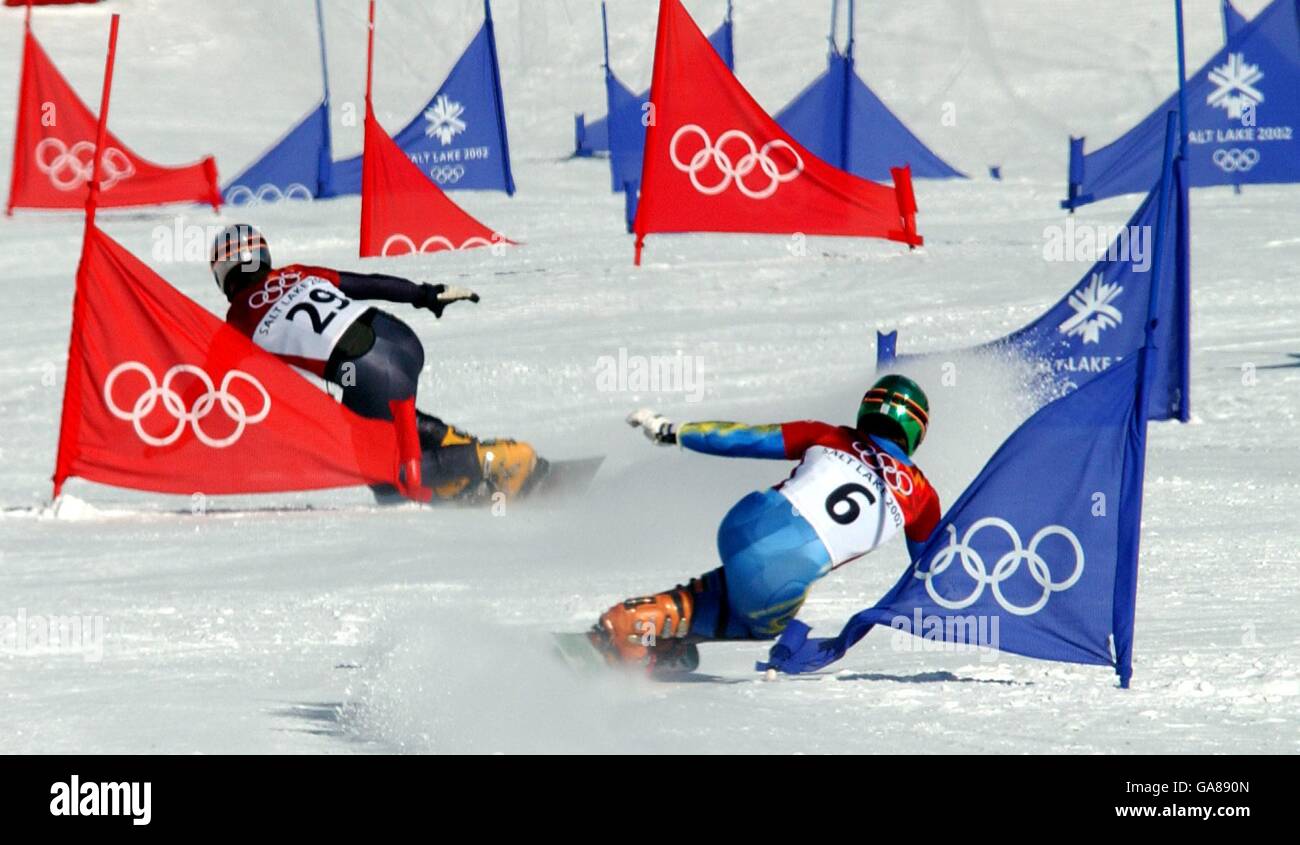
Parallel giant slalom (PGS), a staple of the snowboard program, also finds itself in a precarious position. While snowboarding as a whole has seen explosive growth and maintains high television ratings, the specific format of PGS has faced questions regarding its distinctiveness compared to other alpine snowboarding events. The IOC’s evaluation process often looks at “event popularity” and “infrastructure requirements,” weighing whether specific disciplines offer a unique enough spectacle to warrant their place in a crowded schedule.
The International Ski and Snowboard Federation (FIS) acts as the governing body for both Nordic combined and parallel giant slalom. They continue to lobby for the inclusion of these sports, emphasizing the high level of technical skill required and the established fan base that follows these events throughout the World Cup season. The challenge for these organizers is to prove that these events can evolve to meet the IOC’s criteria for cost-efficiency and broadcast appeal.
Understanding the IOC Decision-Making Process
The decision to include or exclude a sport is not made in a vacuum. It involves a multi-year assessment period where the IOC Program Commission reviews data provided by international federations. Key factors in this assessment include:
- Global Participation: The number of National Olympic Committees (NOCs) that actively compete in the discipline.
- Gender Equity: The balance between male and female athlete quotas.
- Broadcast and Digital Metrics: How the sport performs in terms of viewership and online engagement.
- Cost and Complexity: The burden on the host city to build or maintain specialized venues.
For the 2030 Winter Games, the host selection process itself has been uniquely dynamic. The IOC has moved toward a more flexible approach, which may also influence how sports are selected. By focusing on “sustainability and legacy,” the committee is looking for events that do not require the construction of massive, single-use venues, which is a major factor for sports like Nordic combined that require specific jumping infrastructure.
Key Takeaways for the Winter Sports Community
| Discipline | Primary Challenge | Status |
|---|---|---|
| Nordic Combined | Gender parity & global reach | Under Review |
| Parallel Giant Slalom | Event distinction & broadcast metrics | Under Review |
As we look toward the next official update, the sports world awaits the IOC Session where the final decisions will be ratified. The next major checkpoint is typically the IOC Executive Board meeting, where recommendations for the program are finalized before being presented to the full Session for a vote. These meetings serve as the definitive stage where the fate of these storied disciplines will be determined.
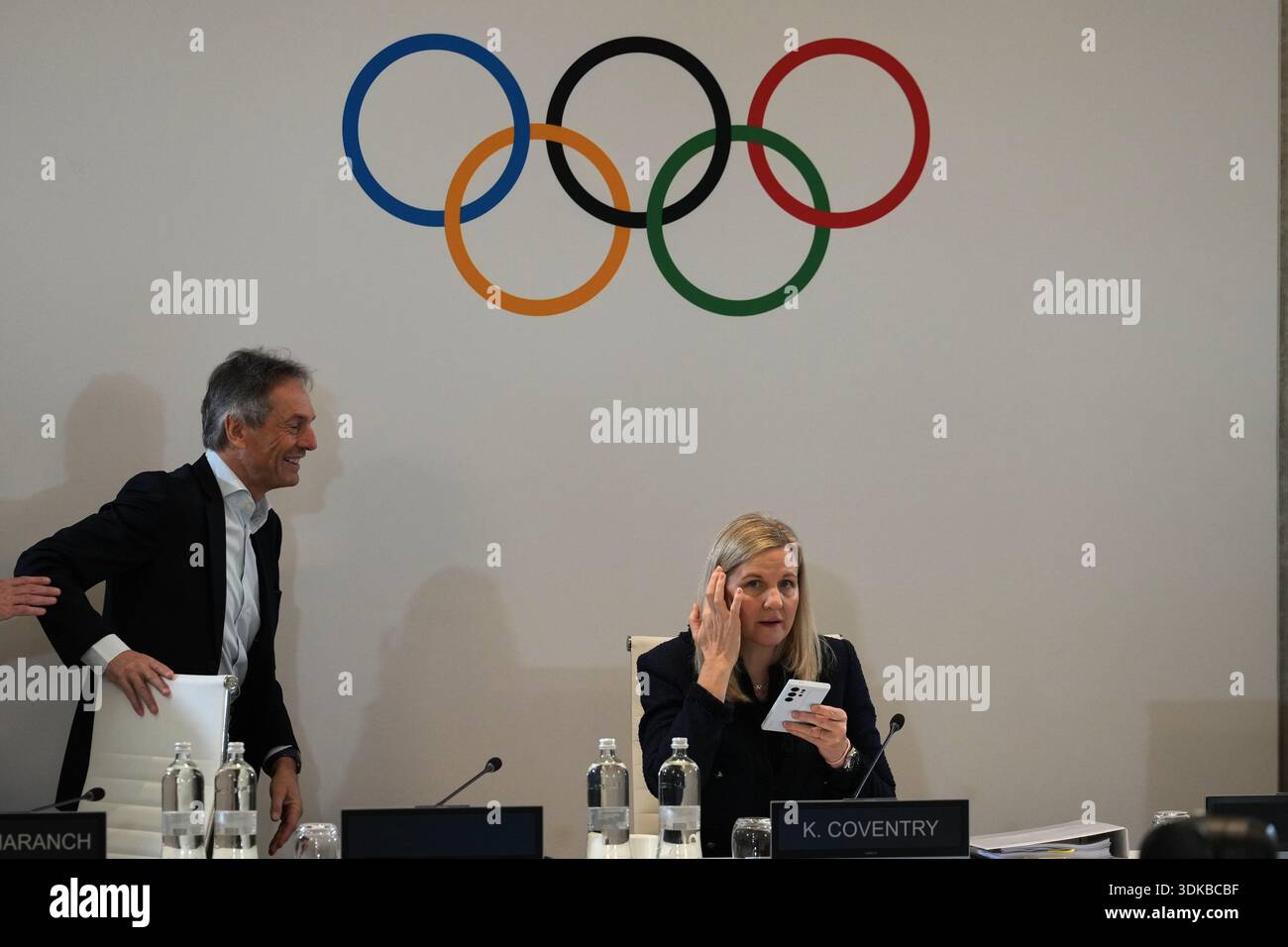
For those following the development of these sports, it is essential to monitor the official communiqués from the IOC and the FIS. The integration of modern technology in sports analytics and athlete performance tracking has changed the game, and the governing bodies are under immense pressure to show that these traditional winter sports can adapt to the digital age. Whether these events remain in the Olympic rotation or are sidelined in favor of newer, more “youth-oriented” sports, the decision will mark a turning point in the history of the Winter Games.
As a journalist covering the evolving landscape of international sports, I invite you to share your thoughts on the future of these disciplines. Do you believe traditional sports should be protected regardless of their broadcast metrics, or is it time for the Olympic program to undergo a more radical transformation? Join the conversation in the comments section below.
Keep reading