
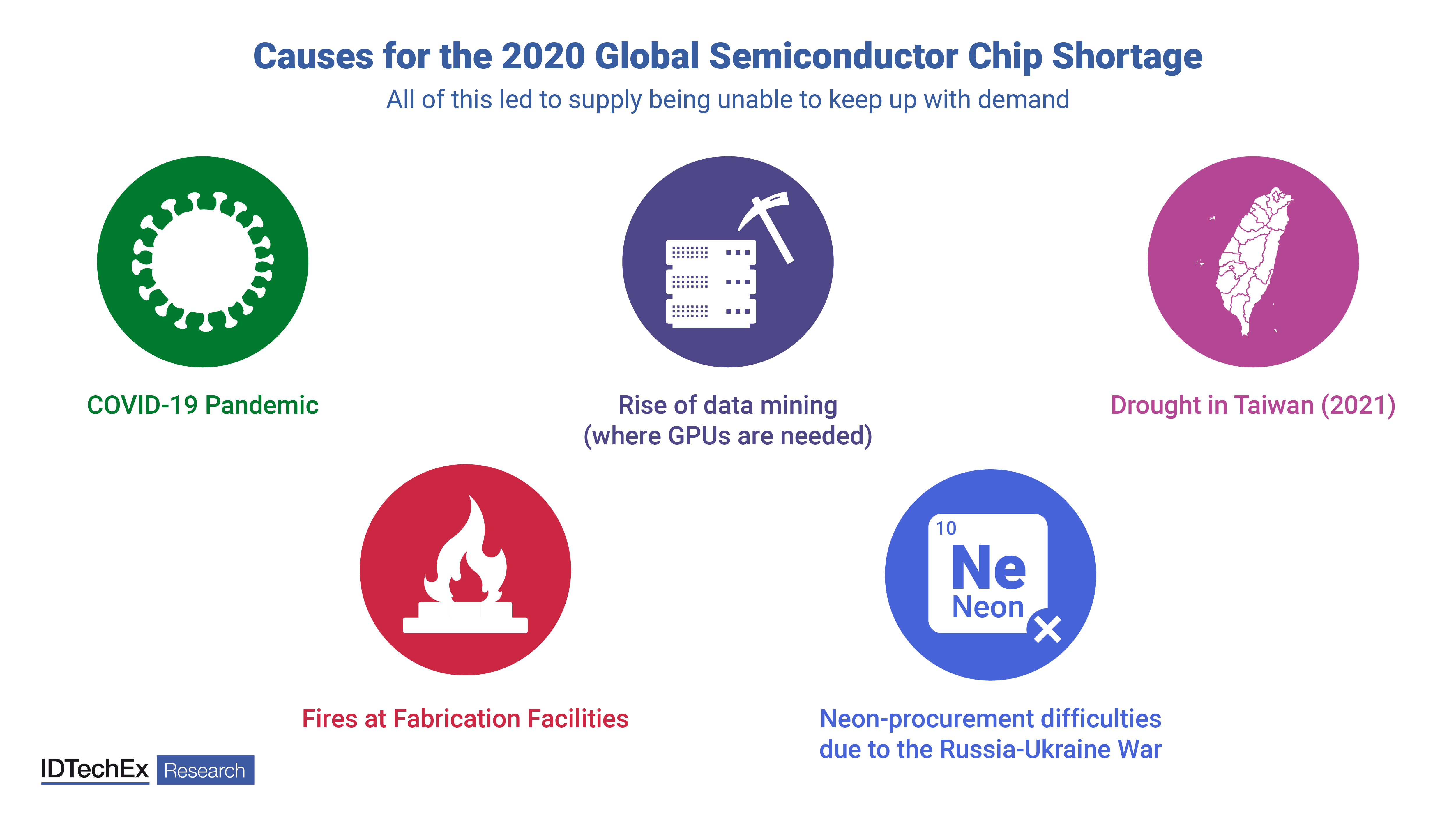
In the modern medical landscape, the seamless integration of digital infrastructure and patient care is no longer a luxury; This proves the backbone of clinical operations. However, the global semiconductor market has faced persistent volatility, driven by shifting demand cycles and geopolitical factors affecting the production of dynamic random-access memory (DRAM) and other critical components. For healthcare systems, this supply chain instability is not merely an IT challenge—it is a direct hurdle to the delivery of data-driven care and medical innovation.
As the healthcare sector increasingly relies on large-scale compute infrastructures to manage electronic health records (EHRs), diagnostic imaging, and predictive analytics, the availability of high-performance hardware has become a strategic priority. The current climate of supply chain fluctuation forces institutions to balance the necessity of technological refreshes against the reality of procurement delays and rising costs. Understanding how these hardware constraints impact care delivery innovation is essential for administrators and clinicians navigating the digital transformation of medicine.
The Intersection of Hardware and Clinical Efficiency
The reliance on robust compute power in clinical settings is most visible in research-heavy institutions and tertiary care centers. These facilities depend on high-density storage and high-speed processing to support artificial intelligence (AI) applications in radiology, pathology, and genomics. When memory chips or specialized processors become difficult to source, the ripple effects are felt in the laboratory and at the bedside. According to reports from the Gartner research group, the semiconductor industry has experienced significant revenue volatility, which complicates long-term capital expenditure planning for hospital systems that operate on multi-year technology refresh cycles.
When hardware upgrades are delayed, institutions often resort to “sweating the assets”—extending the lifecycle of legacy servers and workstations beyond their intended operational window. While this is a practical response to supply constraints, it introduces secondary risks. Older infrastructure can lead to slower processing times for large datasets, which may inadvertently increase the administrative burden on clinicians. As noted by the Office of the National Coordinator for Health Information Technology (ONC), efficiency in information exchange remains a primary goal for the U.S. Healthcare system, yet hardware bottlenecks can impede the software optimizations designed to streamline these workflows.
Strategic Mitigation and Procurement Shifts
To combat the uncertainty surrounding component availability, many healthcare organizations have moved away from “just-in-time” procurement models. Instead, there is a growing trend toward consolidated purchasing and strategic stockpiling. By securing inventory ahead of schedule, health systems aim to buffer themselves against inflationary pressures and lead-time disruptions. This shift requires a high degree of collaboration between clinical departments and IT procurement teams, as they must forecast hardware needs with greater precision than was required in more stable market conditions.
the focus has shifted toward service-oriented models. Rather than relying on wholesale hardware refreshes, some institutions are investing in managed services and cloud-based infrastructures that shift the burden of hardware maintenance to third-party providers. This transition, while effective, requires a robust assessment of data security and regulatory compliance, particularly under frameworks like the Health Insurance Portability and Accountability Act (HIPAA) in the United States or the General Data Protection Regulation (GDPR) in Europe. The trade-off between local control and cloud elasticity is a defining conversation for hospital CIOs in the current era of supply chain volatility.
Long-term Implications for Innovation
The impact of hardware instability extends beyond day-to-day operations; it affects the pace of research and development. Clinical trials that require massive computational power for real-time data modeling are particularly vulnerable. When the necessary compute architecture is unavailable, the timeline for bringing new diagnostic tools or personalized treatment protocols to the clinic can be extended. This delay highlights a critical dependency: the speed of medical innovation is inextricably linked to the availability of the underlying silicon components.
To mitigate these risks, some academic medical centers are exploring decentralized computing and edge-based analytics, which may reduce the reliance on centralized, high-cost data centers. By distributing the computational load, institutions can potentially maintain operational continuity even when specific high-performance components are in short supply. This architectural shift represents a significant evolution in how healthcare systems view their digital infrastructure—moving from a centralized, rigid model to one that is more modular and resilient.
Key Takeaways for Healthcare Leadership
- Asset Lifecycle Management: Moving toward longer-term maintenance strategies allows institutions to defer capital-heavy refreshes when market conditions are unfavorable.
- Cloud Adoption: Transitioning to managed cloud services can provide a hedge against local hardware shortages, provided that data governance and security are prioritized.
- Cross-Departmental Planning: Closer alignment between clinical leadership and IT procurement is essential to ensure that hardware availability does not become a bottleneck for patient care.
- Resilience through Modularity: Investing in flexible, scalable compute architectures can help hospitals adapt to future supply chain disruptions without compromising clinical performance.
As we look toward the next fiscal cycle, the primary focus for health systems will remain on maintaining operational stability while continuing to adopt life-saving technologies. The World Trade Organization continues to monitor global trade patterns that influence the availability of essential technologies, providing a baseline for understanding the macroeconomic environment in which healthcare procurement operates. While the challenges of supply chain volatility are significant, they also offer an opportunity to build more resilient, efficient, and sustainable healthcare infrastructures.

We invite our readers to share their experiences regarding how supply chain issues have impacted your local clinical environments. How is your institution balancing the need for technological innovation with the realities of hardware procurement? Join the conversation in the comments section below, and stay tuned to World Today Journal for further updates on the intersection of medical technology and global health policy.
Worth a look