
In the evolving landscape of American electoral politics, Texas State Representative James Talarico has emerged as a central figure in a broader debate regarding how Democratic candidates should frame their platforms. As political organizations and observers track the shifting priorities of the electorate, the strategy employed by Talarico—who represents District 50 in the Texas House of Representatives—serves as a notable case study for party strategists. The current discourse surrounding his campaign tactics highlights a persistent dilemma for Democrats: how to balance direct responses to cultural grievances with an emphasis on pocketbook issues that resonate with a wider demographic.
The strategic framework currently being tested involves a deliberate pivot toward economic messaging. According to official records from the Texas House of Representatives, Talarico has consistently focused his legislative work on public education and economic policy, reflecting a broader effort to ground his political identity in tangible constituent concerns. By centering his public rhetoric on the costs of living and educational funding, he is navigating a political climate where voters are increasingly sensitive to inflationary pressures and the quality of public services.
The Shift Toward Economic Messaging
The core of Talarico’s approach involves contrasting his focus on economic stability against what he characterizes as the peripheral concerns of his political opponents. By prioritizing issues such as school funding, teacher retention, and the affordability of goods, he is attempting to define the terms of the debate. This approach is not unique to his campaign. it reflects a growing consensus among many Democratic strategists who argue that focusing on “old, tired culture war fights” may alienate independent voters who are primarily concerned with the fiscal health of their households.
The challenge, however, lies in the efficacy of this pivot. When candidates attempt to sidestep cultural debates, they often find themselves forced to react to the narratives set by their opponents, who may seek to elevate social issues to mobilize their own bases. The Texas Tribune, which tracks regional political developments, has documented the intensity of these legislative sessions, where the friction between competing ideological priorities often dominates the news cycle, making it difficult for any single candidate to maintain a purely economic focus.
Navigating the Dilemma of Cultural Politics
The dilemma facing candidates like Talarico is rooted in the current polarization of the electorate. While economic issues are consistently ranked as high priorities in public opinion polls, cultural issues often provide the necessary “edge” to maintain voter enthusiasm and turnout. The decision to downplay cultural debates is viewed by some analysts as a high-risk, high-reward strategy.
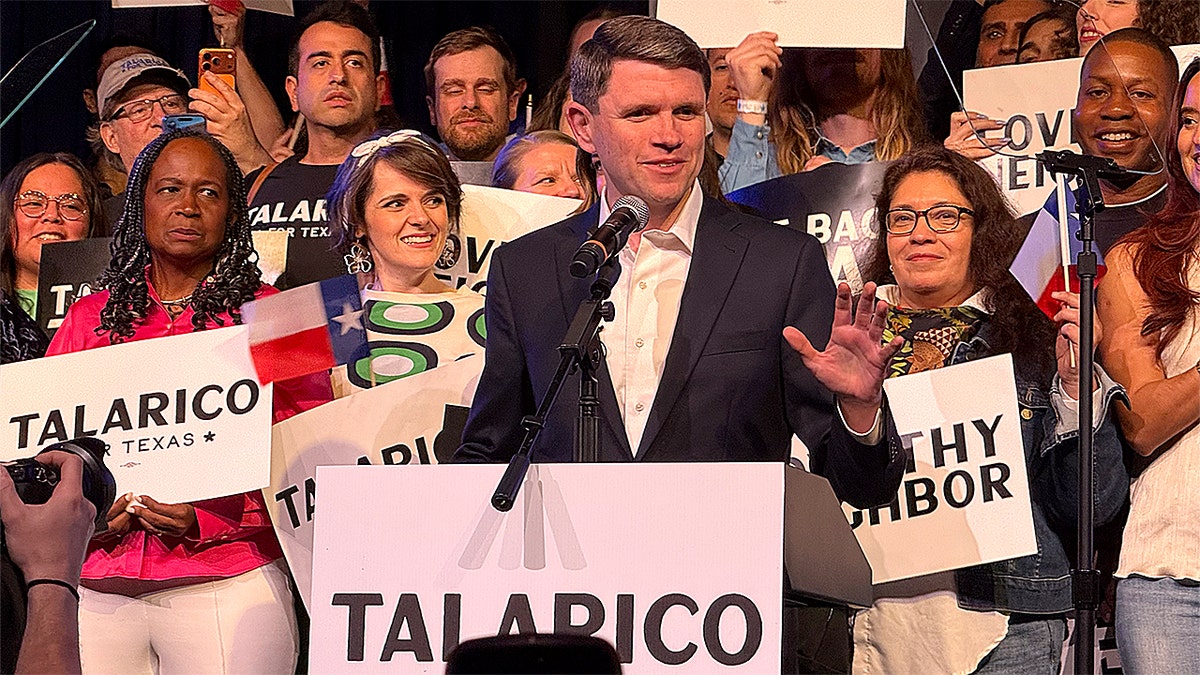
For Talarico, the task is to maintain a disciplined message that does not get diverted by the rapid-fire nature of modern political discourse. This requires a sophisticated understanding of media management and a reliance on local, ground-level organizing to reach voters directly. The Texas Public Radio archives indicate that Talarico’s legislative career has been marked by his vocal opposition to various Republican-led initiatives, yet his recent messaging suggests a desire to frame these oppositions through the lens of economic impact rather than pure ideological disagreement.
Impact on Future Electoral Strategies
The implications of this strategy extend beyond individual races. If Talarico’s emphasis on economic issues proves successful in his district, it could provide a roadmap for other Democratic candidates in competitive regions. Conversely, if the strategy fails to shift the focus, it may lead to a reassessment of whether “culture war” issues are truly avoidable in the current political climate.
As the primary season progresses and the general election approaches, observers will be watching to see how Talarico adjusts his rhetoric in response to the inevitable challenges from his opposition. The Texas Secretary of State’s office provides the official schedule for upcoming election deadlines and filings, which will serve as the next major checkpoint for assessing the viability of his campaign strategy.
Key Considerations for Political Observers
- Message Discipline: Can a candidate effectively ignore cultural issues without losing the support of a base that feels those issues are central to their identity?
- Economic Resonance: Does the focus on economic policy translate into actual voter turnout among demographics that are traditionally disengaged?
- Opponent Counter-Narratives: How successfully can opponents pivot back to social issues when a candidate attempts to steer the conversation toward the economy?
The ongoing developments in this space remain a significant area of focus for those analyzing the future of the Democratic Party in the American South. We will continue to monitor official filings and public statements from the Talarico campaign as the election cycle moves forward. For more information on upcoming legislative sessions or to view official campaign finance disclosures, visit the Texas Ethics Commission website. We invite our readers to share their thoughts on the effectiveness of this messaging strategy in the comments section below.
.jpg "James Talarico portrait")
Related reading