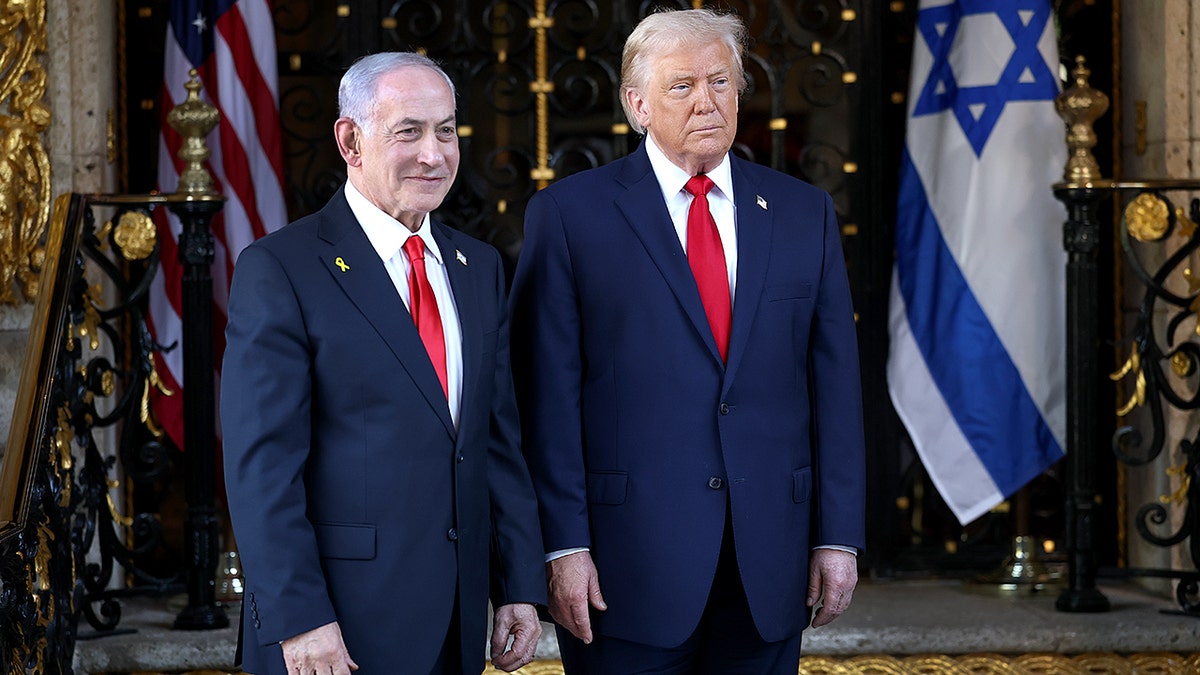
As the international community navigates a complex period of geopolitical realignment, tensions have surfaced regarding the strategic direction of the ongoing conflict involving Iran and its regional proxies. Recent reports indicate a divergence in approach between U.S. President Donald Trump and Israeli Prime Minister Benjamin Netanyahu concerning the management of military operations in Lebanon and the broader strategy for de-escalating hostilities across the Middle East.
The core of the current friction centers on the intensity of military engagement and the diplomatic pathways toward a sustainable cessation of hostilities. While both the United States and Israel maintain a shared interest in regional stability, the tactical disagreements—specifically regarding the scope and timing of operations in Beirut—have become a focal point for international observers and policymakers alike. This policy gap highlights the broader challenge of coordinating defensive maneuvers while simultaneously pursuing high-stakes diplomatic negotiations.
Strategic Divergence in Regional Operations
The current operational landscape in the Middle East has been heavily influenced by the ongoing military activities of Hezbollah and the subsequent responses from the Israel Defense Forces (IDF). According to the White House, the United States continues to emphasize the importance of minimizing civilian impact while seeking to curb the influence of militant groups. However, the operational tempo maintained by the Israeli government has occasionally created friction with Washington’s preferred diplomatic timelines.
Prime Minister Benjamin Netanyahu has consistently framed the current operations as essential for the long-term security of Israel’s northern border. The Israeli government maintains that the neutralization of specific threats within Lebanon is a non-negotiable prerequisite for any lasting peace agreement. Conversely, the administration in Washington has expressed concern that high-intensity operations could complicate the delicate negotiations currently underway to stabilize the region and address the broader Iranian influence in the conflict.
Diplomatic Challenges and Communication Strains
The diplomatic relationship between the U.S. And Israel is long-standing, yet it is currently being tested by the pressures of a multi-front conflict. Reports regarding the tone and content of communications between the two leaders have circulated in international media, suggesting that the pressure of the conflict has led to candid and, at times, difficult exchanges. Maintaining a unified front remains a priority for both nations, even as they navigate these internal policy disagreements.

For the United States, the strategic objective is to prevent a wider regional war, a goal that requires careful calibration of military support and diplomatic leverage. The U.S. Department of State has indicated that its primary focus remains on securing a ceasefire that ensures the safety of civilians while addressing the underlying causes of the volatility. These efforts are often hampered by the competing priorities of regional actors who view the conflict through the lens of immediate national security threats rather than long-term regional integration.
What Happens Next: The Path Toward Resolution
As of June 2026, the situation remains fluid. The international community is watching for signs of a breakthrough in the indirect talks involving various regional stakeholders. The immediate focus for the coming weeks will likely be on whether a temporary pause in hostilities can be transformed into a more permanent arrangement. According to official briefings from the United Nations, the humanitarian situation in affected areas requires urgent attention, adding another layer of complexity to the ongoing diplomatic efforts.
Key indicators for the success of these negotiations include:
- The stabilization of the Lebanon-Israel border region.
- The progress of multi-party discussions regarding the role of international observers.
- The efficacy of U.S.-led mediation efforts in aligning regional expectations.
The next major checkpoint for these developments will follow the upcoming round of high-level diplomatic meetings scheduled for late June. Observers expect these discussions to clarify whether the U.S. And Israel can reconcile their operational differences to present a more cohesive front in the pursuit of regional stability. We will continue to monitor these developments as official statements are released.
As a journalist, I welcome your insights on this evolving situation. Please feel free to share your thoughts in the comments section below or join the conversation on our social media channels.
- Westfalia Rhynern vs. Dynamo Dresden: DFB Pokal 2026/27 TV, Stream & Date
- Medicare Part D Premiums May Rise in 2027 as Federal Subsidies End
- NBA’s Adam Silver Says Moda Center Renovation Negotiations Have Gone Off Track (time.news)
- The Senate Blue Slip, Explained: The Custom Trump Wants Gone (daybreakwire.com)