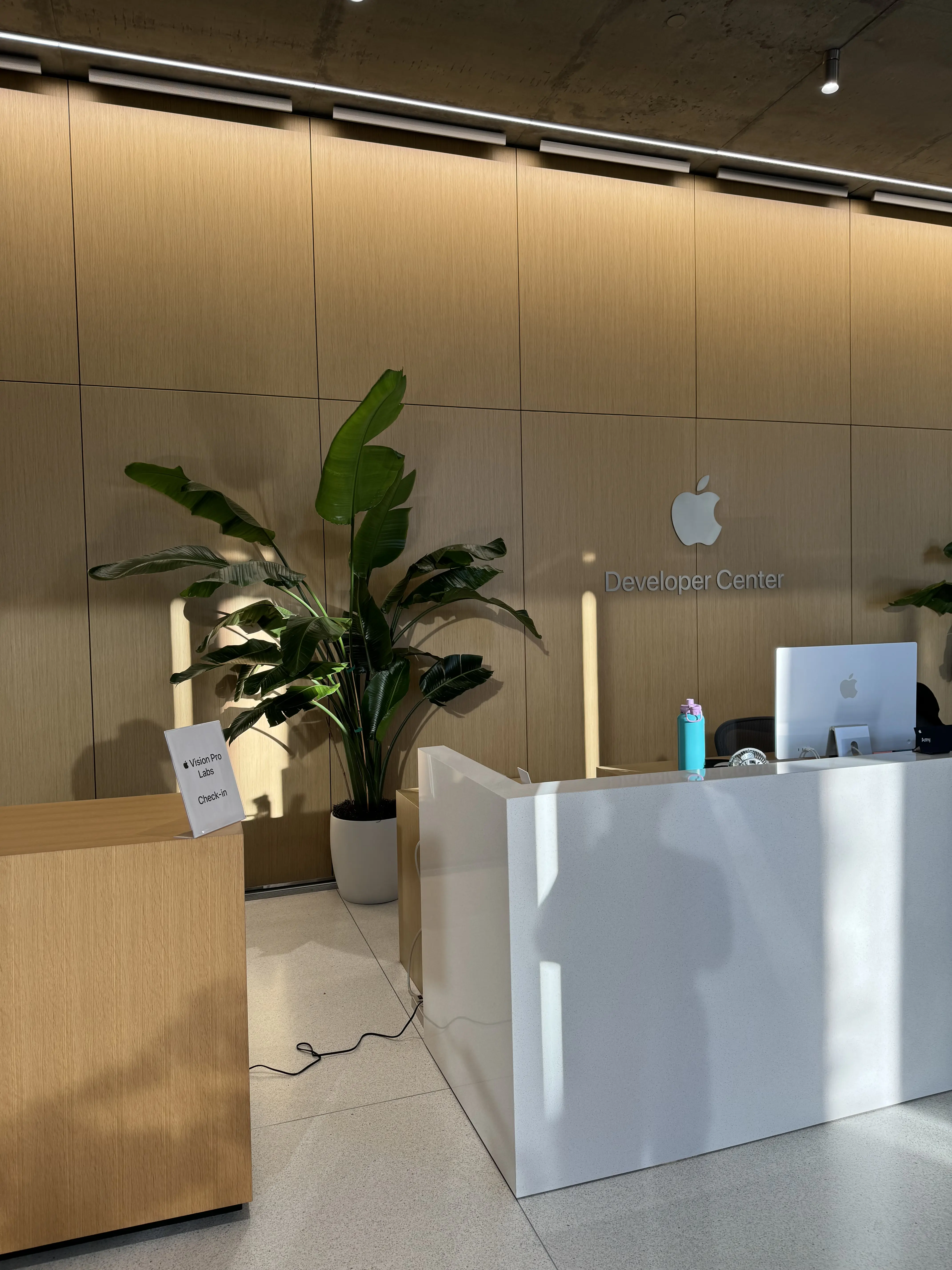
Apple has officially announced plans to establish its first European Apple Developer Center in Berlin, Germany, marking a significant expansion of the company’s global educational infrastructure. The new facility, slated to open its doors in 2026, is set to be located in the city’s historic Mitte district, a vibrant hub known for its dense concentration of tech startups and digital innovation. This move brings the company’s specialized support network—designed to provide developers with direct access to Apple experts, engineering resources, and collaborative workspaces—to the European continent for the first time.
For developers working within the Apple ecosystem, these centers function as more than just office space; they serve as localized hubs for technical guidance, user interface design workshops, and app optimization support. By planting a flag in Berlin, Apple is signaling a long-term commitment to the European software development community, aiming to foster closer collaboration with local talent and provide a physical space for mentorship and technical deep dives into platforms like iOS, iPadOS, and macOS. The decision to select Berlin aligns with the city’s status as a premier destination for venture capital and software engineering talent in Europe, as confirmed by recent data on the region’s thriving startup ecosystem.
Bridging the Gap: What the Berlin Center Offers
The core mission of an Apple Developer Center is to facilitate direct interaction between the creators of the platform and the developers who build upon it. Historically, these centers have hosted sessions ranging from intensive coding bootcamps to one-on-one consultations regarding App Store guidelines and performance tuning. With the Berlin site, developers in the region will no longer need to travel to Apple’s primary campuses in the United States to access these high-level resources, significantly lowering the barrier to entry for independent developers and small-to-medium enterprises.

This initiative is part of a broader strategy by Apple to decentralize its developer support. As the complexity of software integration increases—particularly with the rise of machine learning frameworks and augmented reality tools—the need for physical, collaborative spaces has become more pronounced. Experts suggest that such centers act as incubators for innovation, allowing developers to troubleshoot issues in real-time with Apple engineers. This investment reflects Apple’s ongoing efforts to maintain a competitive edge in the European market, where regulatory scrutiny and competition remain high, as noted in the European Commission’s recent updates regarding digital platform compliance.
Strategic Location in the Heart of Berlin
Choosing the Mitte district for this facility is a calculated move. Berlin-Mitte is arguably the most recognizable tech corridor in Germany, hosting a high density of co-working spaces, accelerators, and international tech firms. The proximity to this talent pool is expected to accelerate the adoption of Apple’s latest development tools, such as Swift and SwiftUI, among European developers. By integrating into the Mitte neighborhood, Apple is positioning itself as a central pillar of the local tech community, potentially hosting events that bridge the gap between academic research and commercial application.

While the center is not scheduled to open until 2026, the announcement has already generated significant interest among local developer groups and industry stakeholders. The facility will likely include state-of-the-art testing labs, where developers can access unreleased hardware or specific device configurations to ensure their applications perform optimally across the entire Apple product line. This level of technical support is a hallmark of Apple’s developer relations strategy, ensuring that the software experience remains consistent and high-quality for end-users globally.
The Future of Apple’s Developer Relations
As we look toward the 2026 opening, the tech industry will be watching closely to see how this center impacts the European app development landscape. Apple has historically used these facilities to gather feedback directly from the front lines of development, which in turn influences future iterations of their software development kits (SDKs). This feedback loop is essential for maintaining the health of the App Store ecosystem, particularly as new privacy laws and digital accountability standards continue to shape the way software is built and distributed in the European Union.
For those interested in the evolution of these facilities, Apple maintains a dedicated portal for developer programs, which serves as the primary source for upcoming event schedules and eligibility requirements for center access. As the Berlin site nears completion, we expect the company to provide further details on how local developers can apply for residencies or attend workshops at the new location. The establishment of this center is a testament to the fact that, despite the growth of remote collaboration, physical spaces dedicated to shared expertise remain a critical component of the software development lifecycle.
Key Takeaways for the Tech Community
- Location: The first European Apple Developer Center will be housed in Berlin’s Mitte district, a central hub for European tech innovation.
- Availability: The facility is currently in development and is expected to open its doors to the public in 2026.
- Purpose: The center will provide developers with specialized hardware, direct access to Apple engineers, and educational workshops to improve app performance and design.
- Strategic Importance: This expansion aims to strengthen Apple’s ties to the European developer community and facilitate deeper integration with Apple’s core platforms.
As of this writing, Apple has not released specific details regarding the exact street address or the full calendar of programming for the Berlin center. We will continue to monitor official communications from Apple’s newsroom and the European developer portal for further updates as the 2026 launch date approaches. We encourage our readers to keep a close eye on official channels for registration details once they become available. What do you think about this move into the European market? Share your thoughts in the comments section below.