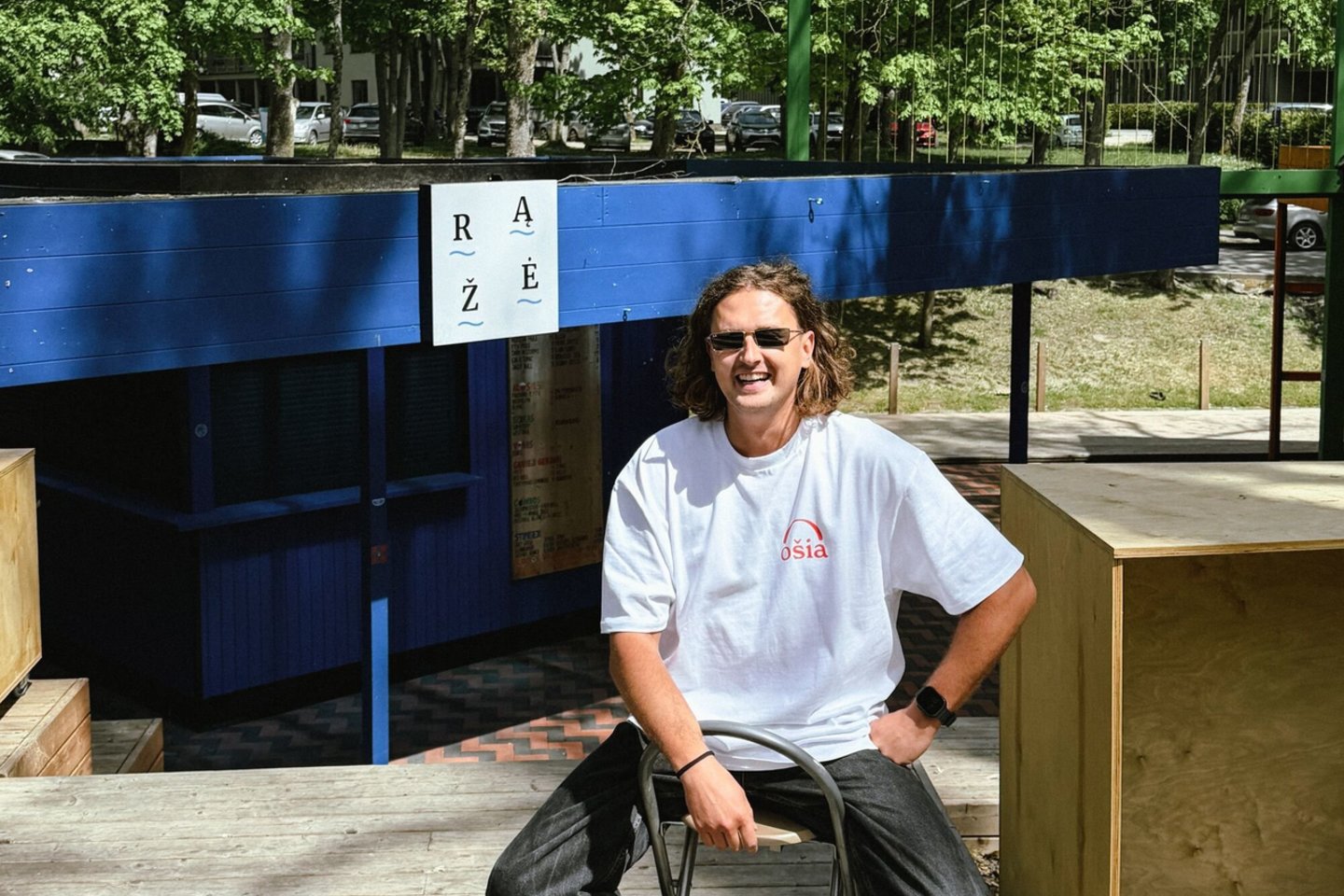
In the quiet corners of Palanga, a town long synonymous with the rhythmic tides of the Baltic Sea and the nostalgic pine-scented air of the Lithuanian coast, a quiet transformation is underway. For decades, the resort’s architectural identity has been a tapestry woven from Soviet-era sanatoriums, interwar wooden villas, and the rapid, often jarring, commercial expansion of the post-independence era. Today, a new wave of urban renewal is reshaping these familiar landscapes, driven by a desire to preserve the architectural heritage while adapting to the demands of modern tourism and sustainable living.
This shift toward Palanga urban revitalization is not merely about cosmetic upgrades; it represents a fundamental change in how the resort town interacts with its history. As the local government and private investors seek to balance the preservation of iconic landmarks with the necessity of infrastructure upgrades, the town finds itself at a crossroads. The ongoing effort to rehabilitate historic structures—once the playgrounds of generations of visitors—is a testament to the enduring appeal of the Baltic resort town, according to recent municipal development reports from the Palanga City Municipality.
Balancing Heritage and Modernity in the Baltic
The challenge facing Palanga is one shared by many historic resort towns across Europe: how to modernize without losing the “soul” of the place. The town’s architectural narrative is complex, ranging from the ornate, 19th-century influence of the Tyszkiewicz family, whose estate now houses the Palanga Amber Museum, to the stark, functionalist aesthetic of the mid-20th century. Recent initiatives have focused on repurposing these structures into multifunctional spaces that serve both the local community and the influx of summer visitors.
By integrating sustainable building practices, developers are aiming to reduce the ecological footprint of the resort. What we have is particularly critical given the town’s location within the sensitive coastal ecosystem. The integration of “green” infrastructure is a core component of the current urban development strategy, which aligns with broader European Union goals for sustainable regional growth. Detailed frameworks for these developments are outlined in the Lithuanian Ministry of Environment’s regional planning guidelines, which mandate stricter environmental compliance for coastal construction projects.
The Economic Drivers of Coastal Renewal
At the heart of this transformation is a shift in the economic model of the region. Where Palanga once relied almost exclusively on seasonal summer tourism, there is a concerted effort to foster year-round activity. This is being achieved through the renovation of historic buildings into boutique hotels, co-working spaces, and cultural centers. The influx of private investment into these heritage sites has significantly boosted the local economy, providing jobs and increasing the town’s appeal as a destination for digital nomads and conference tourism.
However, this growth is not without its critics. Concerns regarding the gentrification of the town center have been raised in various local forums, highlighting the tension between high-end development and the preservation of affordable public spaces. The local government has responded by emphasizing the importance of public-private partnerships, where developers are often required to contribute to public amenities—such as parks, lighting, and pedestrian pathways—as a condition of their building permits.
Key Takeaways for Sustainable Development
- Adaptive Reuse: Focusing on repurposing historic structures rather than demolition to maintain the town’s unique architectural character.
- Sustainable Growth: Implementing energy-efficient technologies to meet contemporary environmental standards in a fragile coastal climate.
- Community Integration: Ensuring that new developments provide tangible benefits to local residents, not just seasonal visitors.
- Economic Diversification: Moving beyond the traditional three-month summer season to establish a stable, year-round economy.
What Happens Next: Future Planning
Looking ahead, the next phase of Palanga’s development will likely focus on the expansion of the town’s cultural and educational infrastructure. As outlined in the current Strategic Development Plan, the municipality is prioritizing the restoration of several key public squares and the improvement of cycling and walking trails that connect the town center to the surrounding forests and beaches. These projects are scheduled for review and implementation phases throughout the coming years, with public consultations acting as a vital check on the pace and nature of these changes.
For those interested in the future of the Baltic coast, monitoring the official portals of the Palanga City Municipality remains the most reliable way to track upcoming public hearings and infrastructure tenders. As this resort town continues to navigate the complexities of 21st-century tourism, the balance between honoring the past and embracing the future will undoubtedly continue to be the defining narrative of the region.
As Editor of the News section at World Today Journal, I welcome your insights on how similar historic resort towns in your region are handling urban renewal. Please share your thoughts in the comments section below or join the discussion on our social media channels.
Related reading