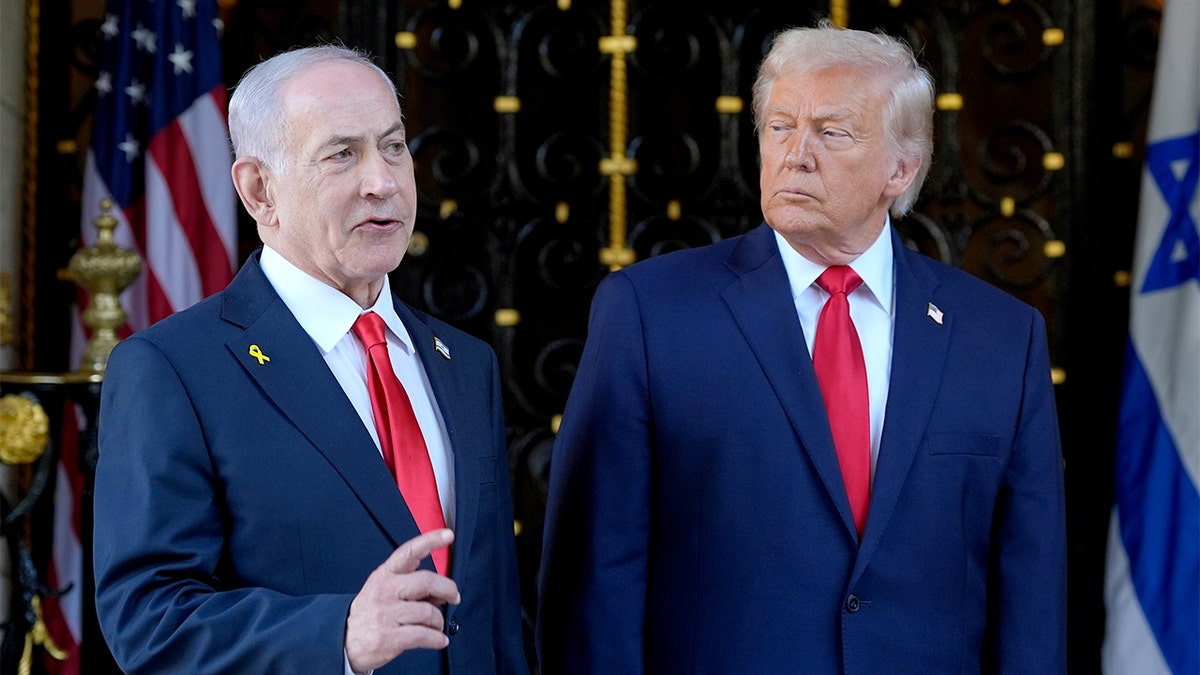
SOFIA, Bulgaria — The long-standing, often complex alliance between Donald Trump and Israeli Prime Minister Benjamin Netanyahu appears to be facing a significant stress test. Recent reports have emerged suggesting a sharp diplomatic fracture, with allegations of a heated verbal exchange between the former U.S. President and the Israeli leader regarding the escalating conflict in Lebanon.
At the heart of the reported friction is a fundamental disagreement over the management of regional hostilities. While the Netanyahu administration has pursued high-intensity military operations to degrade the capabilities of Hezbollah, reports suggest that Trump has expressed intense dissatisfaction with the potential for these actions to trigger a wider, uncontrolled regional war. The tension highlights a growing divergence in how the two leaders view the strategic necessity of containment versus active military expansion in the Middle East.
This reported clash comes at a critical juncture for Middle Eastern stability. As Israel continues its military campaign against Hezbollah in southern Lebanon, the international community remains on edge, fearing that a miscalculation could draw in larger regional powers, including Iran. For a potential incoming U.S. Administration focused on “America First” policies and the avoidance of protracted foreign entanglements, the prospect of a multi-front war in the Levant presents a significant geopolitical challenge.
The Reported Confrontation: A Shift in Rhetoric
While official channels in both Washington and Jerusalem have maintained a level of diplomatic decorum, various reports have circulated regarding the intensity of the private communications between the two leaders. According to these accounts, the friction reached a boiling point when discussions turned to the widening scope of the conflict in Lebanon. The reports suggest that Trump expressed significant frustration, allegedly using blunt and forceful language to urge Netanyahu to prevent the conflict from expanding beyond its current parameters.
The core of the disagreement appears to be tactical and strategic. Netanyahu’s government has argued that decisive military action is the only way to ensure long-term security for Israel’s northern border and to prevent Hezbollah from establishing a permanent foothold near the Israeli-Lebanese frontier. Conversely, the reported stance from Trump’s camp emphasizes the need for a swift resolution to avoid a regional conflagration that could disrupt global energy markets and force the United States into a costly and unpredictable security role.
This tension is not merely personal but reflects a broader debate within U.S. Foreign policy circles. The debate centers on whether the United States should provide unconditional support for Israel’s military objectives or whether it should exert more significant pressure to secure a ceasefire and stabilize the region. The reported “scolding” of the Israeli Prime Minister underscores a potential shift in how the U.S. Might approach its most vital Middle Eastern ally in the coming years.
The volatility of the situation is further underscored by the ongoing hostilities on the ground. Reuters reports continue to document the intense exchanges of fire between the Israel Defense Forces (IDF) and Hezbollah militants, which have displaced thousands of civilians on both sides of the border.
Context: The Escalation in Lebanon and the Hezbollah Factor
To understand why this disagreement is so profound, one must look at the specific dynamics of the Lebanon-Israel border. For decades, the border has been a flashpoint of tension, but the recent escalation has reached levels not seen since the 2006 Lebanon War. Hezbollah, the Lebanese militant group and political party backed by Iran, has significantly increased its rocket and drone attacks against northern Israel in response to the ongoing war in Gaza.
The Israeli government views Hezbollah as an existential threat that must be neutralized to allow for the safe return of displaced Israeli citizens to their homes in the north. This has led to a series of targeted airstrikes and ground incursions aimed at destroying Hezbollah’s infrastructure, command centers, and weapon depots. However, these operations carry the inherent risk of a full-scale invasion of Lebanon, a move that many analysts warn would be catastrophic for regional stability.

Hezbollah, for its part, maintains that its actions are a direct consequence of Israel’s military campaign against Hamas in the Gaza Strip. The group’s ability to launch sophisticated long-range strikes poses a constant threat to Israeli population centers, complicating the Netanyahu government’s domestic political standing. The inability to achieve a permanent ceasefire has left both sides locked in a cycle of retaliation that appears increasingly difficult to break.
The humanitarian impact of this conflict cannot be overstated. BBC News coverage has highlighted the growing displacement crisis in both Lebanon and northern Israel, as civilian populations are forced to flee combat zones. This human cost adds a layer of international pressure on all involved parties to find a diplomatic exit strategy.
Geopolitical Implications: The U.S.-Iran-Israel Triangle
The friction between Trump and Netanyahu is inextricably linked to the broader “shadow war” between Israel and Iran. Hezbollah serves as a primary proxy for Iranian influence in the Levant, and any significant escalation in Lebanon is viewed by many as a potential proxy battle between Tel Aviv and Tehran.
For the United States, the stakes are exceptionally high. A massive war in Lebanon could force the U.S. To intervene to protect its interests, provide humanitarian aid, or prevent the total collapse of the Lebanese state. For a leader like Trump, who has campaigned on a platform of reducing U.S. Involvement in foreign conflicts, the prospect of being drawn into a “forever war” in the Middle East is a major political and strategic liability.
the stability of the Middle East is essential for global economic security. The region’s proximity to critical maritime chokepoints, such as the Strait of Hormuz and the Suez Canal, means that any widespread conflict could lead to spikes in oil prices and disruptions to global supply chains. This economic dimension is a key driver in the reported desire for a more restrained approach to the Lebanon conflict.
The involvement of Iran adds a layer of complexity that complicates any bilateral U.S.-Israel agreement. Any move by Israel to strike deeper into Lebanese territory or target Iranian assets could trigger a direct response from Tehran, potentially expanding the conflict to include Iraq, Syria, and even direct strikes on Israeli soil. The delicate balance of power in the region remains extremely fragile.
Domestic Pressures: Political Survival and National Security
Both Donald Trump and Benjamin Netanyahu are operating under intense domestic pressures that shape their foreign policy decisions. For Netanyahu, the conflict is tied to his political survival. His right-wing coalition relies heavily on a hardline security stance, and any perceived weakness in the fight against Hezbollah or Hamas could lead to the collapse of his government.
Netanyahu must balance the demands of his most hawkish ministers, who advocate for total military victory, with the need to maintain international legitimacy and prevent the total isolation of Israel. The pressure from the Israeli public, which is deeply divided over the conduct of the war and the fate of hostages, further complicates his decision-making process.
For Trump, the pressure is of a different nature. As he prepares for his return to the presidency, he must navigate the expectations of a base that favors strength but also a broader electorate that is increasingly wary of costly overseas wars. His ability to manage the relationship with Israel will be a litmus test for his administration’s ability to execute an “America First” foreign policy that remains influential on the global stage.
The intersection of these domestic needs and international realities creates a volatile environment where even minor diplomatic missteps can have significant consequences. The reported clash between the two leaders is a symptom of these colliding pressures.
Key Takeaways: The Trump-Netanyahu Rift
- Core Conflict: Reported disagreement over the expansion of military operations in Lebanon.
- Strategic Divergence: Netanyahu advocates for military neutralization of Hezbollah; Trump reportedly favors regional containment to avoid wider war.
- Regional Risk: Escalation in Lebanon threatens to draw in Iran and destabilize global energy markets.
- Domestic Stakes: Netanyahu faces coalition pressure for hardline tactics; Trump faces pressure to avoid new U.S. Military entanglements.
- Diplomatic Status: The relationship, once seen as highly synchronized, is now characterized by significant tactical friction.
Analysis: What Happens Next?
As the situation on the ground evolves, several key developments will determine whether this diplomatic friction leads to a lasting policy shift or a temporary cooling of relations. The most immediate factor will be the outcome of the ongoing hostilities between Israel and Hezbollah. If the conflict continues to expand, the pressure on the incoming U.S. Administration to intervene or mediate will become overwhelming.
Observers will also be watching for official policy statements from the Trump transition team regarding the “rules of engagement” for the Middle East. Any indication that the U.S. Will place limits on Israeli military actions in Lebanon or Gaza would mark a historic departure from previous administration stances. Conversely, a renewed commitment to unconditional military support would signal a continuation of the status quo, despite the reported personal friction.
The diplomatic efforts of international mediators, including those from France, the United States, and various Arab nations, will also be crucial. The goal remains a sustainable ceasefire that ensures the security of Israel’s northern border while respecting the sovereignty and stability of Lebanon. Whether this can be achieved without a major military escalation remains the defining question of the current Middle East crisis.
Next Milestone: The international community will be closely monitoring the upcoming rounds of ceasefire negotiations in Washington and their impact on the frontline activity in southern Lebanon. Official updates from the UN and regional mediators are expected as the diplomatic push for stability continues.
What are your thoughts on the changing dynamics of U.S.-Israel relations? Do you believe a more restrained approach could lead to lasting peace in the Middle East? Share your views in the comments below and share this article to join the conversation.
Keep reading
- US Revokes Brazilian Ambassador’s Visa Amid Escalating Diplomatic Tensions
- RCD Mallorca vs PSG: Best Online Betting Odds at Snai.it
- Qatar Reports Progress in Diplomatic Efforts to End US-Iran Conflict (archyworldys.com)
- Trump’s Former Lawyer Clears Key Hurdle for Attorney General Role (world-today-news.com)